Julius Drake

Classical
Chamber Music
 Viberate Rank: 151702
 Viberate Rank: 151702
 Monthly ListenersFollowers
 Subscribers
 Followers
 Followers
 FansTop Spotify Songs
| Track | 7-Day Streams | |
|---|---|---|
1 | 1.95K | |
2 | 1.71K | |
3 | 1.71K | |
4 | 1.34K | |
5 | 542 |
Top YouTube VideosMonthly ListenersFeatured in Playlists| Playlist | Followers | |
|---|---|---|
1 |  Relaxing Classical Piano 🎹 ATMA Classique | 71.22K |
2 | Hanz zimmer Fallon Moran | 25.89K |
3 |  This Is Samuel Barber Spotify | 13.32K |
4 |  Chill Classical unCLASSIFIED | 9.01K |
5 | BB King, Eric Clapton and others 1226122150 | 7.08K |
Audience| City | Monthly Listeners | |
|---|---|---|
1 | | 454 |
2 |  | 198 |
3 |  | 187 |
4 |  | 149 |
5 |  | 139 |
See full performance history, audience data, playlist activity, rankings, comparisons, and more in Viberate music analytics. Start with a free trial, then continue with a paid plan.
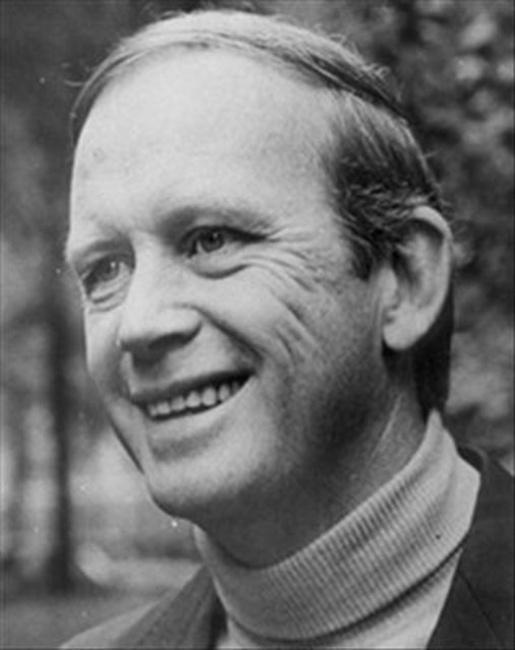
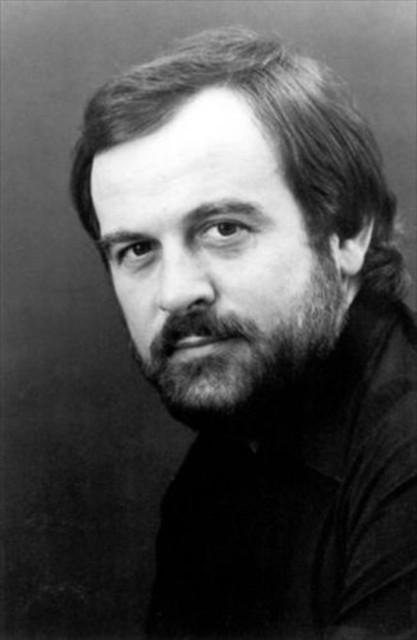
Julius Drake’s Spotify BioJulius Drake is a pianist who has specialized in vocal and instrumental accompaniment and in chamber music. Unlike the majority of accompanists who tend to work with a small group of soloists over most of their careers, Drake has collaborated with an unusually wide group of artists.
Drake was born in London on April 5, 1959. He began playing piano at seven and took lessons at the Purcell School. Moving on to the Royal Academy of Music, he made his debut at the Purcell Room in London in 1981. Early in his career, he specialized in the music of Schumann. Drake has recorded extensively since the late '90s. A noted early release, with soprano Katarina Karnéus on the Hyperion label in 2002, featured songs by Jean Sibelius.
A versatile vocal accompanist, Drake has often mastered unfamiliar repertory such as the Haydn Canzonettas (with Christoph Genz), African American spirituals (with Ruby Philogene), and songs by Ivor Gurney (with Paul Agnew). His most frequent vocal collaborator has been… tenor Ian Bostridge, but he has also worked with Matthias Goerne, Lorraine Hunt Lieberson, Victoria de los Angeles, and many other distinctive vocal stylists. His instrumental collaborators include clarinetist Emma Johnson and hornist Richard Watkins, whom he accompanied on the 2019 Signum Classics release The Romantic Horn. Also in 2019, Drake backed tenor Nicky Spence on a recording of Janáček's rarely heard The Diary of One Who Disappeared and Nursery Rhymes.
During this time, Drake was in the process of recording the complete songs of Liszt. He also recorded the recital Paradise Lost, featuring songs about the biblical Eve, with Anna Prohaska in 2020. In 2022, he backed Alice Coote on the album Schubert: 21 Songs, and that year, he was heard once again as accompanist to bass-baritone Gerald Finley on a recording of Schubert's song cycle Die schöne Müllerin, D. 795. That recording, like many of Drake's others, was on Hyperion. By that time, Drake's recording catalog comprised some 40 items. Drake has served as the director of the Perth International Chamber Music Festival in Australia and the Machynlleth Festival in Wales. He has devised song series for Wigmore Hall in London, the BBC, and the Royal Concertgebouw in Amsterdam. Drake teaches song accompaniment at Graz University for Music and Performing Arts in Austria and has given numerous masterclasses. ~ James Manheim, Rovi
Viberate is a music analytics platform built for A&Rs, artist managers, labels, booking agents, marketers, and artists.
It helps music professionals track artist growth, analyze audience data, monitor playlist activity, compare artists, follow song performance, and identify opportunities across the music market.
Public artist pages provide a free preview of selected artist data. Paid plans provide access to deeper analytics, historical data, charts, comparisons, playlist tools, exports, alerts, reports, and additional professional features.
Yes. Public Viberate artist pages provide selected artist analytics and music data for free.
Viberate also offers a 7-day free trial of the full platform. A credit card is required to start the trial. The trial includes access to the complete product so users can test deeper artist analytics, historical views, playlist insights, comparisons, charts, exports, alerts, and reporting features before choosing a paid plan.
Viberate provides artist analytics across streaming, playlists, social media, video, radio airplay, songs, and audience markets.
Users can analyze Spotify performance, Spotify and Apple Music playlists, YouTube activity, TikTok and Instagram growth, radio spins, song performance, audience locations, demographics, rankings, and overall artist momentum.
Artist profiles also connect to music charts, similar artists, and comparison tools, helping users benchmark performance and evaluate artists in context.
Viberate updates key artist and track data daily.
For followed artists and tracks, selected data is refreshed multiple times per day. This helps teams monitor playlist changes, streaming movement, audience growth, releases, and campaign performance with more current data.
Update frequency can vary depending on the metric and data source.
Yes. Viberate lets users compare up to five artists side by side across streaming, social media, audience, and engagement metrics.
Users can compare fanbase growth, audience demographics, locations, Spotify performance, social metrics, and other artist data over selected time periods.
Artist comparison can be used for A&R scouting, benchmarking, booking decisions, campaign planning, and evaluating artists with similar audiences or market positions.