Roger Vignoles

Classical
Chamber Music
 Viberate Rank: 278981
 Viberate Rank: 278981
 Monthly ListenersFollowers
 Subscribers
 Followers
 Followers
 FansTop Spotify Songs
| Track | 7-Day Streams | |
|---|---|---|
1 | 793 | |
2 | 719 | |
3 | 695 | |
4 | 676 | |
5 | 672 |
Top YouTube Videos| Video | 7-Day Views | |
|---|---|---|
1 | 20 | |
2 | 5 | |
3 | 4 | |
4 | 3 | |
5 | 2 |
Monthly ListenersFeatured in Playlists| Playlist | Followers | |
|---|---|---|
1 |  This Is Brahms Spotify | 132.63K |
2 |  FEMALE OPERA ARIAS Eve Moneypenny | 14.63K |
3 |  Jarvis Cocker's Sunday Service Anders Björk | 5.09K |
4 | 60bpm Baroque Study Tan | 4.99K |
5 |  Kalm met Klassiek NPO Klassiek | 4.96K |
Audience| City | Monthly Listeners | |
|---|---|---|
1 | | 433 |
2 |  | 230 |
3 |  | 229 |
4 |  | 218 |
5 |  | 156 |
See full performance history, audience data, playlist activity, rankings, comparisons, and more in Viberate music analytics. Start with a free trial, then continue with a paid plan.
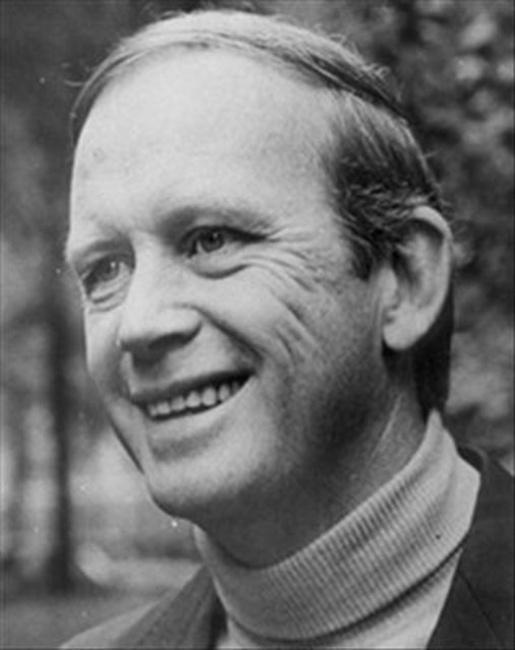
Roger Vignoles’ Spotify BioAmong the superbly schooled and stylistically sensitive group of accompanists to have come from the U.K. in the last quarter of the 20th century, Roger Vignoles ranks with the finest. Originally inspired by Gerald Moore, who advanced piano accompaniment from subordination to full partnership, Vignoles has, from the beginning, shown a grasp of differing schools of songwriting and the gift for putting his singers at ease. Moreover, his own interests stretch to wide horizons; he is as on the mark with songs from the cabaret as with the rarefied atmospheres found in the songs of Duparc.
Vignoles was born on July 12, 1945, in Cheltenham, England. Following studies at Magdalene College in Cambridge, he resolved that he would pursue a career as a piano accompanist. Further studies at the Royal College of Music and in private classes with Paul Hamburger (himself a noted accompanist) prepared Vignoles for his 1967 debut at London's Purcell Room. From 1969 to 1971, he worked as a coach and… répétiteur at the Royal Opera House. One of his first regular collaborators was soprano Elisabeth Söderström. Pleased with her young accompanist's work and personality, the singer frequently re-engaged him during the 1970s and '80s. During this period, other singers took note of his work and began to engage him for recitals as well. Three of the most prominent were Sarah Walker, Thomas Allen, and Kiri Te Kanawa (the latter two before their respective knighthoods). With both Allen and Walker, the association was long-lasting, leaving some memorable recordings as evidence. The Walker and Vignoles partnership resulted in concerts and recordings exploring German lieder, French mélodie, and even an eclectic and intriguing assortment of cabaret songs.
From 1974 to 1981, Vignoles taught the art of accompaniment at the Royal College of Music. A regular presence at many of the world's leading festivals, he frequently appeared at the Schubertiade at Feldkirch. At Queen Elizabeth Hall in London, he created a week-long series in 1997 billed as "Landscape into Song." The following year, he initiated the Nagaoka Winter Festival in Japan, returning each year until 2002 as artistic director to conduct master classes and perform in recital. Vignoles contributed to the 2001 Schumann Festival in London and has accompanied Benjamin Britten's Canticles on several occasions, including a staged version given in Barcelona. Master class experiences have given Vignoles a perspective more sympathetic to terrified young singers than is often accorded by former star singers conducting the affairs. He has urged allowing the participants time to sing a few phrases before being pounced on and corrected. His ability to make singers comfortable and able to give their best has made him a valued ally.
Vignoles continues to be one of the most sought-after collaborators for singers, touring Japan with Mihoko Fujimura and North America with Measha Brueggergosman and Kate Royal. Among his many outstanding recordings is a disc devoted to the complete songs of Duparc with Walker and Allen. With soprano Véronique Gens, he recorded an album devoted to mélodies by Fauré, Debussy, and Poulenc. First recital recordings by mezzo-soprano Katarina Karnéus and bass-baritone Jonathan Lemalu have also greatly benefited from Vignoles' presence, both stabilizing and enlivening their performances. A recording of Schumann songs, including Frauenliebe und -leben with mezzo-soprano Bernarda Fink, has also won admiring reviews. The 2009 Britten: Before Life & After, with Mark Padmore, won awards in France and England. That year, Vignoles began presenting a recital series at Wigmore Hall, which hosted a 70th birthday celebration concert in his honor. A partnership with star baritone Roderick Williams has resulted in several acclaimed albums, including Mirages: The Art of French Song in 2022. ~ Erik Eriksson, Rovi
Viberate is a music analytics platform built for A&Rs, artist managers, labels, booking agents, marketers, and artists.
It helps music professionals track artist growth, analyze audience data, monitor playlist activity, compare artists, follow song performance, and identify opportunities across the music market.
Public artist pages provide a free preview of selected artist data. Paid plans provide access to deeper analytics, historical data, charts, comparisons, playlist tools, exports, alerts, reports, and additional professional features.
Yes. Public Viberate artist pages provide selected artist analytics and music data for free.
Viberate also offers a 7-day free trial of the full platform. A credit card is required to start the trial. The trial includes access to the complete product so users can test deeper artist analytics, historical views, playlist insights, comparisons, charts, exports, alerts, and reporting features before choosing a paid plan.
Viberate provides artist analytics across streaming, playlists, social media, video, radio airplay, songs, and audience markets.
Users can analyze Spotify performance, Spotify and Apple Music playlists, YouTube activity, TikTok and Instagram growth, radio spins, song performance, audience locations, demographics, rankings, and overall artist momentum.
Artist profiles also connect to music charts, similar artists, and comparison tools, helping users benchmark performance and evaluate artists in context.
Viberate updates key artist and track data daily.
For followed artists and tracks, selected data is refreshed multiple times per day. This helps teams monitor playlist changes, streaming movement, audience growth, releases, and campaign performance with more current data.
Update frequency can vary depending on the metric and data source.
Yes. Viberate lets users compare up to five artists side by side across streaming, social media, audience, and engagement metrics.
Users can compare fanbase growth, audience demographics, locations, Spotify performance, social metrics, and other artist data over selected time periods.
Artist comparison can be used for A&R scouting, benchmarking, booking decisions, campaign planning, and evaluating artists with similar audiences or market positions.