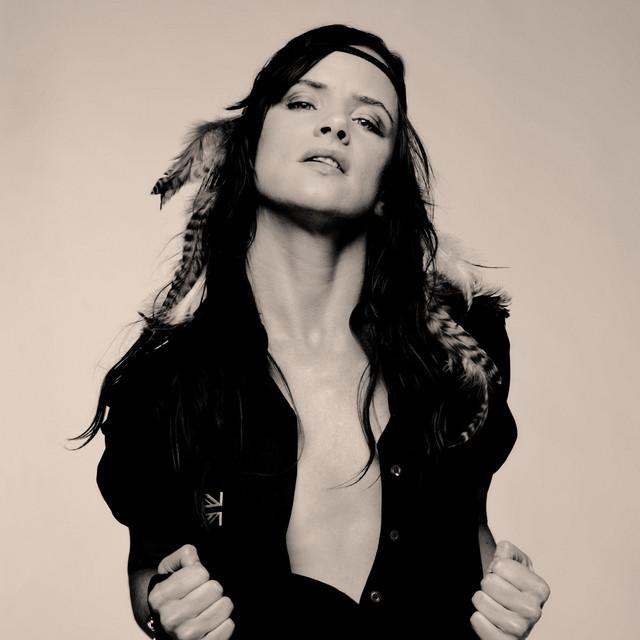
Juliette Lewis

Rock
Alternative Rock
Pop Rock
 Viberate Rank: 1089496
 Viberate Rank: 1089496
 Monthly ListenersFollowers
 Subscribers
 Followers
 Followers
 FansTop Spotify Songs
| Track | 7-Day Streams | |
|---|---|---|
1 | 4.84K | |
2 | 2.10K | |
3 | 1.01K | |
4 | 938 | |
5 | 829 |
Top YouTube VideosMonthly ListenersFeatured in Playlists| Playlist | Followers | |
|---|---|---|
1 |  ¤ Rock Collection ¤ (The Full Collection) Alexie Mc | 18.84K |
2 | Nasty Mondays Official Playlist nastymondaysofficial | 14.37K |
3 |  Monstercat All Album Playlist PsykoRage | 8.92K |
4 |  Drumstep, Glitch-Hop timmay7 | 8.06K |
5 |  #WatcherOrPlayer Playlist lionsgate_nerve | 7.35K |
Audience| City | Monthly Listeners | |
|---|---|---|
1 |  | 292 |
2 |  | 254 |
3 |  | 235 |
4 |  | 204 |
5 |  | 195 |
See full performance history, audience data, playlist activity, rankings, comparisons, and more in Viberate music analytics. Start with a free trial, then continue with a paid plan.
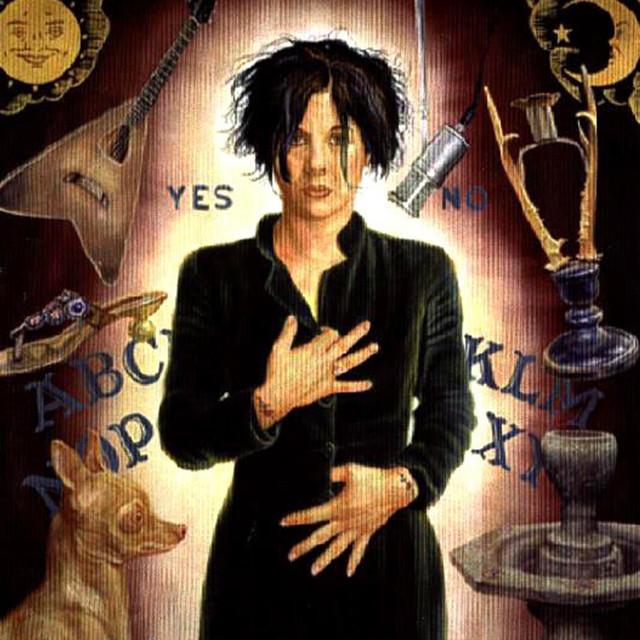
Juliette Lewis’ Spotify BioShe's played quite a few high-energy freaks for Hollywood, but none of her silver screen characters could prepare audiences for the over-the-top ferociousness Juliette Lewis unleashed when fronting both the Licks and the New Romantiques. Lewis' first public flirtations with rock & roll can be traced back to 1994 when she appeared in the video for Melissa Etheridge's "Come to My Window." A year later she was singing PJ Harvey's "Hardly Wait" in the film Strange Days, but musical aspirations would only be hinted at for the next eight years. Film work took up Lewis' time until she took a break from it in 2003. That year she appeared in the video for H.I.M.'s "Buried Alive by Love" and rounded up her first four-piece band, the Licks. It was at Johnny Depp's club, the Viper Room, that audiences first got to hear the Van Halen-meets-Iggy Pop sound of the Licks and the first time they got to hear the songs Lewis had been writing with hit songwriter Linda Perry. The band toured the West Coast… hard for the next year with Lewis hitting the stage in spandex, high-heeled boots, and other attire that shouted "rocker." Audience and critical reaction to the Licks' live show varied from positive to blown away. In September 2004, Lewis appeared as vocalist and co-songwriter on the Prodigy's album Always Outnumbered, Never Outgunned.
A month later, the Licks' debut EP, ...Like a Bolt of Lightning, was released on Fiddler Records. More touring -- including a stint on the tenth annual Vans Warped Tour -- followed before Juliette and the Licks released their full-length debut, You're Speaking My Language, in May 2005. The band hit the road again to support the album and began writing songs for their sophomore release along the way. Their drummer split by the end of the tour, but Nirvana/Foo Fighters drummer Dave Grohl saved the day. While he had originally planned to just help with some demos, he stayed with the band for the recording of the album Four on the Floor, which was released in late 2006. The Four on the Floor DVD was released in December 2007. In 2009, she announced the dissolution of the Licks and returned with a new band, the New Romantiques. They released one album, Terra Incognita, meaning "unknown territory." The title was fitting as the sound was much different than her previous work, thanks in part to the album's producer, Omar Rodriguez-Lopez of the Mars Volta.
In 2015, she got the Licks back together and -- in addition to a few shows that extended into 2016 -- Lewis announced her return to music. In June 2016, she released the pop single "Hello Hero," which was co-written by Isabella Summers (Florence + the Machine). The backing band for her solo project included Brad Wilk (Rage Against the Machine), Juan Alderete (the Mars Volta), and her Licks colleague, Todd Morse. ~ David Jeffries, Rovi
Viberate is a music analytics platform built for A&Rs, artist managers, labels, booking agents, marketers, and artists.
It helps music professionals track artist growth, analyze audience data, monitor playlist activity, compare artists, follow song performance, and identify opportunities across the music market.
Public artist pages provide a free preview of selected artist data. Paid plans provide access to deeper analytics, historical data, charts, comparisons, playlist tools, exports, alerts, reports, and additional professional features.
Yes. Public Viberate artist pages provide selected artist analytics and music data for free.
Viberate also offers a 7-day free trial of the full platform. A credit card is required to start the trial. The trial includes access to the complete product so users can test deeper artist analytics, historical views, playlist insights, comparisons, charts, exports, alerts, and reporting features before choosing a paid plan.
Viberate provides artist analytics across streaming, playlists, social media, video, radio airplay, songs, and audience markets.
Users can analyze Spotify performance, Spotify and Apple Music playlists, YouTube activity, TikTok and Instagram growth, radio spins, song performance, audience locations, demographics, rankings, and overall artist momentum.
Artist profiles also connect to music charts, similar artists, and comparison tools, helping users benchmark performance and evaluate artists in context.
Viberate updates key artist and track data daily.
For followed artists and tracks, selected data is refreshed multiple times per day. This helps teams monitor playlist changes, streaming movement, audience growth, releases, and campaign performance with more current data.
Update frequency can vary depending on the metric and data source.
Yes. Viberate lets users compare up to five artists side by side across streaming, social media, audience, and engagement metrics.
Users can compare fanbase growth, audience demographics, locations, Spotify performance, social metrics, and other artist data over selected time periods.
Artist comparison can be used for A&R scouting, benchmarking, booking decisions, campaign planning, and evaluating artists with similar audiences or market positions.