Jordan Knight

Pop
Mainstream Pop
j-pop
 Viberate Rank: 90436
 Viberate Rank: 90436
 Monthly ListenersFollowers
 Subscribers
 Followers
 Followers
 FansTop Spotify Songs
| Track | 7-Day Streams | |
|---|---|---|
1 | 15.91K | |
2 | 5.59K | |
3 | 3.73K | |
4 | 2.22K | |
5 | 1.15K |
Top YouTube VideosMonthly ListenersFeatured in Playlists| Playlist | Followers | |
|---|---|---|
1 | Vodka Drunk in a Field in the 2000s Jess Caldwell Fish | 75.54K |
2 | Slow Jams/R&B ❤️ _elissseee | 74.32K |
3 |  90s/2000s Millennial Pop mariadice88 | 71.13K |
4 |  Now 1 - 114 (1983 - 2023) Now That's What I Call Music 1 - 114 abundantmusic | 56.69K |
5 |  90s Hits DJ Master Mac | 51.35K |
Audience| City | Monthly Listeners | |
|---|---|---|
1 |  | 2.24K |
2 |  | 1.14K |
3 | | 938 |
4 |  | 929 |
5 | | 898 |
See full performance history, audience data, playlist activity, rankings, comparisons, and more in Viberate music analytics. Start with a free trial, then continue with a paid plan.
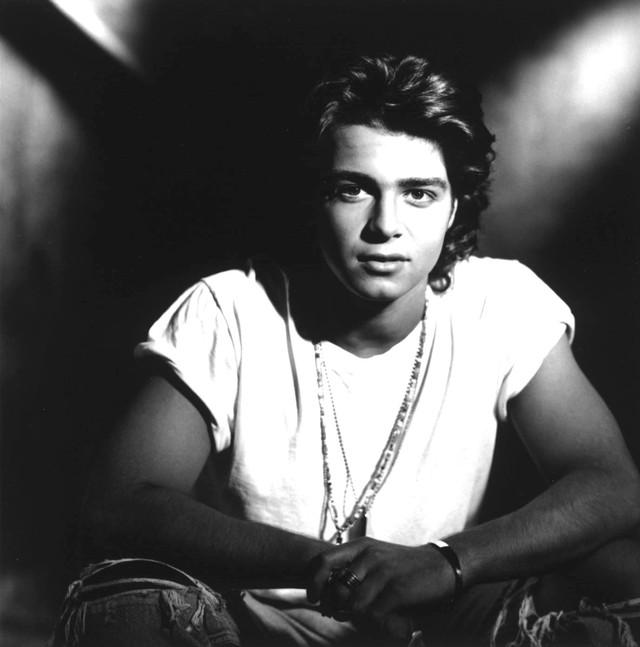
Jordan Knight’s Spotify BioAs a frequent lead vocalist for late-'80s teen pop sensation New Kids on the Block, Jordan Knight lent his sweet falsetto to such Top Ten hits as "You Got It (The Right Stuff)," "I'll Be Loving You (Forever)," and "Cover Girl." Additionally, Knight added backing vocals and his nascent production skills to records by the likes of Tommy Page and Marky Mark and the Funky Bunch, and began to step into that latter role for the New Kids as Maurice Starr's influence over the group waned. However, by the time of 1994's Face the Music, their popularity had waned as well, and Knight was virtually silent for several years following the group's subsequent breakup. In one of the unlikelier music industry comebacks, though, Knight -- like fellow New Kid alum Joe McIntyre -- took advantage of a resurgence of interest in teen-oriented "boy bands" (like *NSYNC and the Backstreet Boys) to launch a solo career.
The single "Give It to You" was released in early 1999 and became a hit, setting the stage for… Knight's eponymous solo debut album later that year. Knight continued to tour and make appearances throughout the early 2000s. Though 2004's Jordan Knight Performs New Kids on the Block: The Remix Album was seen by some as opportunism, he returned a year later with The Fix, an EP with a promising adult contemporary feel. Love Songs, a collection of covers of classic romantic pop tunes, followed in 2006; it had a minor adult contemporary hit single in "Say Goodbye," a duet with Debbie Gibson. Knight reunited with New Kids on the Block for the 2008 album The Block and 2011 tour with the Backstreet Boys. That same year he released Unfinished, his first collection of new pop tunes in over ten years. Unfinished performed respectably, reaching 48 on the Billboard 200. Knight next teamed with Backstreet Boy Nick Carter for the 2014 duet album Nick & Knight; the album debuted at number 24 upon its September release. ~ Steve Huey, Rovi
Viberate is a music analytics platform built for A&Rs, artist managers, labels, booking agents, marketers, and artists.
It helps music professionals track artist growth, analyze audience data, monitor playlist activity, compare artists, follow song performance, and identify opportunities across the music market.
Public artist pages provide a free preview of selected artist data. Paid plans provide access to deeper analytics, historical data, charts, comparisons, playlist tools, exports, alerts, reports, and additional professional features.
Yes. Public Viberate artist pages provide selected artist analytics and music data for free.
Viberate also offers a 7-day free trial of the full platform. A credit card is required to start the trial. The trial includes access to the complete product so users can test deeper artist analytics, historical views, playlist insights, comparisons, charts, exports, alerts, and reporting features before choosing a paid plan.
Viberate provides artist analytics across streaming, playlists, social media, video, radio airplay, songs, and audience markets.
Users can analyze Spotify performance, Spotify and Apple Music playlists, YouTube activity, TikTok and Instagram growth, radio spins, song performance, audience locations, demographics, rankings, and overall artist momentum.
Artist profiles also connect to music charts, similar artists, and comparison tools, helping users benchmark performance and evaluate artists in context.
Viberate updates key artist and track data daily.
For followed artists and tracks, selected data is refreshed multiple times per day. This helps teams monitor playlist changes, streaming movement, audience growth, releases, and campaign performance with more current data.
Update frequency can vary depending on the metric and data source.
Yes. Viberate lets users compare up to five artists side by side across streaming, social media, audience, and engagement metrics.
Users can compare fanbase growth, audience demographics, locations, Spotify performance, social metrics, and other artist data over selected time periods.
Artist comparison can be used for A&R scouting, benchmarking, booking decisions, campaign planning, and evaluating artists with similar audiences or market positions.