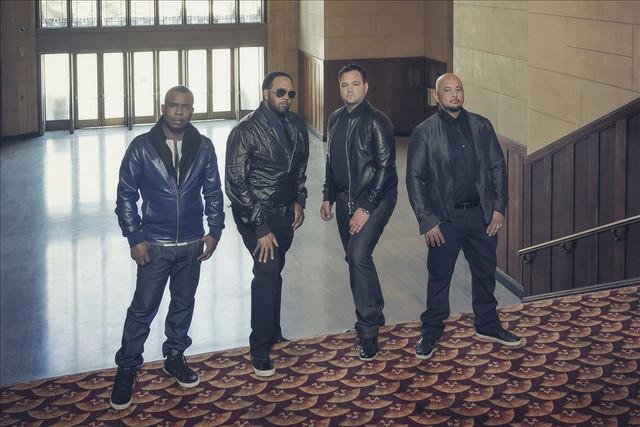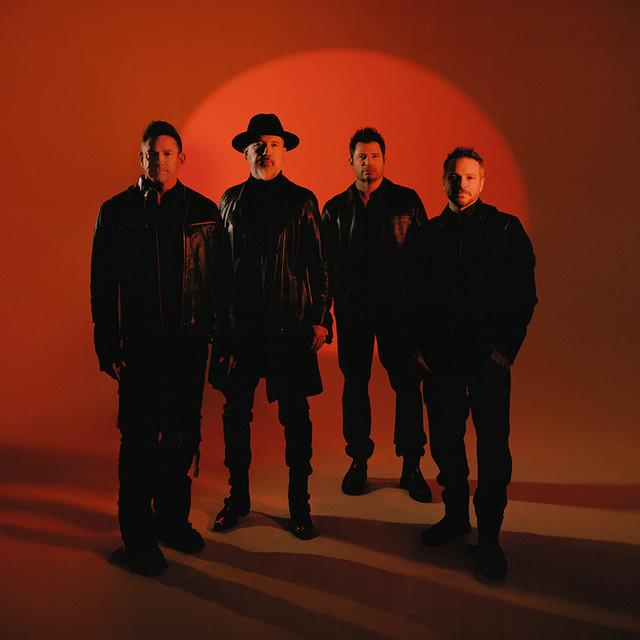
98º

R&B
Contemporary R&B
Mainstream Pop
 Viberate Rank: 12911
 Viberate Rank: 12911
 Monthly ListenersFollowers
 Subscribers
 Followers
 Followers
 FansTop Spotify Songs
| Track | 7-Day Streams | |
|---|---|---|
1 | 325.06K | |
2 | 170.73K | |
3 | 157.15K | |
4 | 99.12K | |
5 | 95.34K |
Top YouTube Videos| Video | 7-Day Views | |
|---|---|---|
1 | 36.10K | |
2 | 18.31K | |
3 | 17.34K | |
4 | 15.69K | |
5 | 10.58K |
Monthly ListenersFeatured in Playlists| Playlist | Followers | |
|---|---|---|
1 |  Soft 90s Spotify | 1.98M |
2 |  2000s HITS Y2K THROWBACKS Filtr US | 1.57M |
3 |  Ultimate Boybands Spotify | 762.22K |
4 |  This Is Mariah Carey Spotify | 522.65K |
5 |  OLD LOVE SONGS 80's-90's meaghan b. | 503.19K |
Audience| City | Monthly Listeners | |
|---|---|---|
1 |  | 71.87K |
2 | | 35.05K |
3 | | 31.30K |
4 | | 30.39K |
5 | | 25.05K |
See full performance history, audience data, playlist activity, rankings, comparisons, and more in Viberate music analytics. Start with a free trial, then continue with a paid plan.
98º’s Spotify BioA wholesome R&B-inspired pop group who scored six Top 20 hits during their 1997-2000 commercial peak, 98° were formed by brothers Nick and Drew Lachey, Jeff Timmons, and Justin Jeffre. All four singers are originally from Ohio. Timmons was trying to make it on the West Coast in the music industry, so he called Jeffre and Nick Lachey, both former classmates at the Cincinnati School for Creative and Performing Artists, and formed 98°. Drew Lachey soon joined as well. The quartet worked odd jobs to finance talent show appearances. After they attracted attention by trying to crash the backstage area of a show headlined by Boyz II Men -- one of the group's primary inspirations -- they were offered a chance to sing on a local radio station. From that appearance, the group met Montell Jordan co-manager Paris d'Jon, who arranged demos and helped them sign to Motown. The quartet's debut single, the ballad "Invisible Man," was released in June 1997, eventually hit number 12 on the Billboard Hot… 100, and was certified gold.
The parent album of "Invisible Man," 98°, was issued a month later and went gold as well, but the group's follow-up was even more successful. Released in 1998, 98° and Rising featured "Because of You" and "The Hardest Thing," similarly sensitive and heartfelt Top Ten pop hits, on its way to quadruple platinum status. After the seasonal 1999 effort This Christmas, and a featured role on Mariah Carey's number one single "Thank God I Found You," third proper album Revelation appeared in 2000 and debuted at number two. Lead single "Give Me Just One Night (Una Noche)" was the most-added Top 40 single in history during its first week of release. The start of a lengthy hiatus coincided with The Collection, a set of highlights released in 2002.
Over the next decade, members of 98° pursued solo projects, with Nick Lachey gaining the most traction due to his marriage to Jessica Simpson, as documented on the MTV reality show Newlyweds. The marriage didn't last, but Lachey did become a TV star, guesting on several series and hosting the talent competition The Sing-Off. His brother Drew also appeared on television, winning the second season of Dancing with the Stars in 2004, and Timmons eventually wound up on an MTV reality show called Mission Man Band in 2007. Only Jeffre didn't show up on TV; he unsuccessfully ran for mayor of Cincinnati in 2005. The singers drifted back together in 2012 and toured with Boyz II Men and New Kids on the Block the following year, around the time they released 98° 2.0. The quartet continued to tour and recorded a second seasonal album, Let It Snow, which was released in 2017. ~ John Bush & Andy Kellman, Rovi
Viberate is a music analytics platform built for A&Rs, artist managers, labels, booking agents, marketers, and artists.
It helps music professionals track artist growth, analyze audience data, monitor playlist activity, compare artists, follow song performance, and identify opportunities across the music market.
Public artist pages provide a free preview of selected artist data. Paid plans provide access to deeper analytics, historical data, charts, comparisons, playlist tools, exports, alerts, reports, and additional professional features.
Yes. Public Viberate artist pages provide selected artist analytics and music data for free.
Viberate also offers a 7-day free trial of the full platform. A credit card is required to start the trial. The trial includes access to the complete product so users can test deeper artist analytics, historical views, playlist insights, comparisons, charts, exports, alerts, and reporting features before choosing a paid plan.
Viberate provides artist analytics across streaming, playlists, social media, video, radio airplay, songs, and audience markets.
Users can analyze Spotify performance, Spotify and Apple Music playlists, YouTube activity, TikTok and Instagram growth, radio spins, song performance, audience locations, demographics, rankings, and overall artist momentum.
Artist profiles also connect to music charts, similar artists, and comparison tools, helping users benchmark performance and evaluate artists in context.
Viberate updates key artist and track data daily.
For followed artists and tracks, selected data is refreshed multiple times per day. This helps teams monitor playlist changes, streaming movement, audience growth, releases, and campaign performance with more current data.
Update frequency can vary depending on the metric and data source.
Yes. Viberate lets users compare up to five artists side by side across streaming, social media, audience, and engagement metrics.
Users can compare fanbase growth, audience demographics, locations, Spotify performance, social metrics, and other artist data over selected time periods.
Artist comparison can be used for A&R scouting, benchmarking, booking decisions, campaign planning, and evaluating artists with similar audiences or market positions.