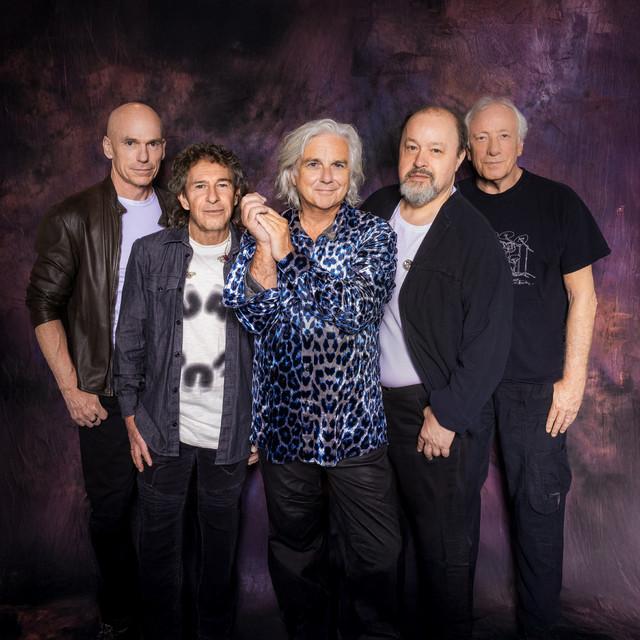
Jon & Vangelis

Electronic
Downtempo
Progressive Rock
 Viberate Rank: 46486
 Viberate Rank: 46486
 Monthly ListenersFollowers
 Subscribers
 Followers
 Followers
 FansTop Spotify Songs
| Track | 7-Day Streams | |
|---|---|---|
1 | 52.16K | |
2 | 17.06K | |
3 | 10.63K | |
4 | 6.84K | |
5 | 6.66K |
Top YouTube VideosMonthly ListenersFeatured in Playlists| Playlist | Followers | |
|---|---|---|
1 |  Anos 80 internacional. Só as melhores! Juliano Vasconcellos | 277.66K |
2 | 80's 12" & Extended Remixes enigma804 | 47.09K |
3 |  ANTENA 1 ⭐️ Sucessos e Clássicos Internacionais Flashback Carlos Eduardo 🇧🇷 | 46.14K |
4 | 80s Stefan Schilo | 40.77K |
5 | Marcos Rodrigues Alves | 24.25K |
Audience| City | Monthly Listeners | |
|---|---|---|
1 |  | 6.04K |
2 | | 4.66K |
3 |  | 4.41K |
4 |  | 3.30K |
5 |  | 3.22K |
See full performance history, audience data, playlist activity, rankings, comparisons, and more in Viberate music analytics. Start with a free trial, then continue with a paid plan.
Jon & Vangelis’ Spotify BioJon Anderson, lead singer of progressive rock titans Yes, and Greek synthesizer genius Vangelis released four collaborative albums of arty electronic pop as Jon & Vangelis between 1980 and 1991, scoring a handful of international hit singles. The two had worked together before -- Vangelis was in the running to become Rick Wakeman's replacement when he first left Yes in 1974, and Anderson sang on Vangelis' classic 1975 album Heaven & Hell. Anderson also appeared on Vangelis' Opera Sauvage (1979), and by the time he left Yes in 1980, the two had already released Short Stories. The release was a success, and was quickly followed by 1981's The Friends of Mr. Cairo, which yielded the major hit "I'll Find My Way Home" as well as "State of Independence," which would become a hit for Donna Summer in 1982. The less pop-oriented Private Collection appeared in 1983. Anderson rejoined Yes in 1983, and he attempted to work with Vangelis again in 1986, but none of this material saw the light of day… until later. Page of Life appeared in 1991, but wasn't released in America until Anderson changed the track list and issued it in 1998, to Vangelis' disapproval, thus ending their collaboration. ~ Paul Simpson, Rovi
Viberate is a music analytics platform built for A&Rs, artist managers, labels, booking agents, marketers, and artists.
It helps music professionals track artist growth, analyze audience data, monitor playlist activity, compare artists, follow song performance, and identify opportunities across the music market.
Public artist pages provide a free preview of selected artist data. Paid plans provide access to deeper analytics, historical data, charts, comparisons, playlist tools, exports, alerts, reports, and additional professional features.
Yes. Public Viberate artist pages provide selected artist analytics and music data for free.
Viberate also offers a 7-day free trial of the full platform. A credit card is required to start the trial. The trial includes access to the complete product so users can test deeper artist analytics, historical views, playlist insights, comparisons, charts, exports, alerts, and reporting features before choosing a paid plan.
Viberate provides artist analytics across streaming, playlists, social media, video, radio airplay, songs, and audience markets.
Users can analyze Spotify performance, Spotify and Apple Music playlists, YouTube activity, TikTok and Instagram growth, radio spins, song performance, audience locations, demographics, rankings, and overall artist momentum.
Artist profiles also connect to music charts, similar artists, and comparison tools, helping users benchmark performance and evaluate artists in context.
Viberate updates key artist and track data daily.
For followed artists and tracks, selected data is refreshed multiple times per day. This helps teams monitor playlist changes, streaming movement, audience growth, releases, and campaign performance with more current data.
Update frequency can vary depending on the metric and data source.
Yes. Viberate lets users compare up to five artists side by side across streaming, social media, audience, and engagement metrics.
Users can compare fanbase growth, audience demographics, locations, Spotify performance, social metrics, and other artist data over selected time periods.
Artist comparison can be used for A&R scouting, benchmarking, booking decisions, campaign planning, and evaluating artists with similar audiences or market positions.