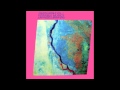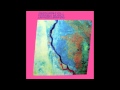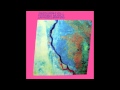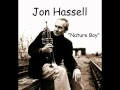
Jon Hassell

Electronic
Downtempo
Ambient
 Viberate Rank: 88778
 Viberate Rank: 88778
 Monthly ListenersFollowers
 Subscribers
 Followers
 Followers
 FansTop Spotify Songs
| Track | 7-Day Streams | |
|---|---|---|
1 | 6.84K | |
2 | 5.46K | |
3 | 5.25K | |
4 | 3.09K | |
5 | 2.32K |
Top YouTube VideosMonthly ListenersFeatured in Playlists| Playlist | Followers | |
|---|---|---|
1 |  Ambient Essentials Spotify | 278.86K |
2 | The Kajitsu Playlist nytimes | 131.50K |
3 |  Sora Ambient Spotify | 96.83K |
4 |  The Sound of Everything The Sounds of Spotify | 53.82K |
5 |  KCRW 5 Songs KCRW | 25.64K |
Audience| City | Monthly Listeners | |
|---|---|---|
1 |  | 2.31K |
2 |  | 1.72K |
3 | | 1.13K |
4 | | 1.09K |
5 |  | 1.03K |
See full performance history, audience data, playlist activity, rankings, comparisons, and more in Viberate music analytics. Start with a free trial, then continue with a paid plan.
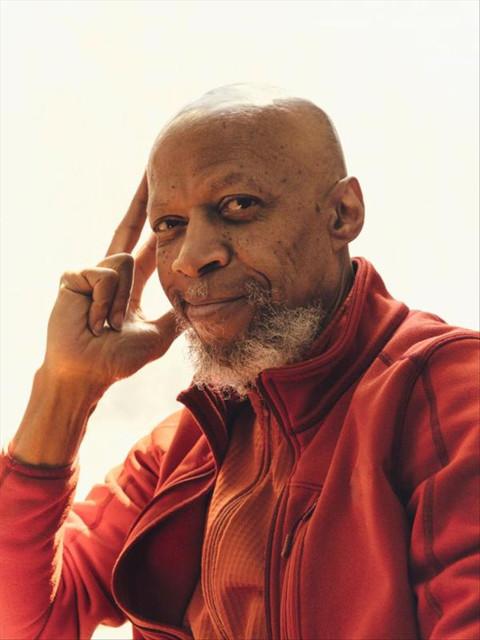
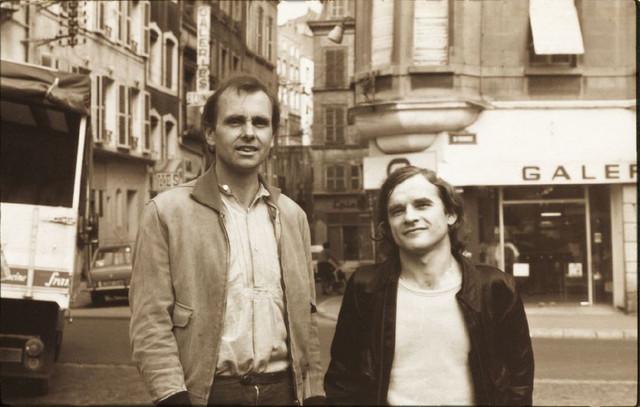
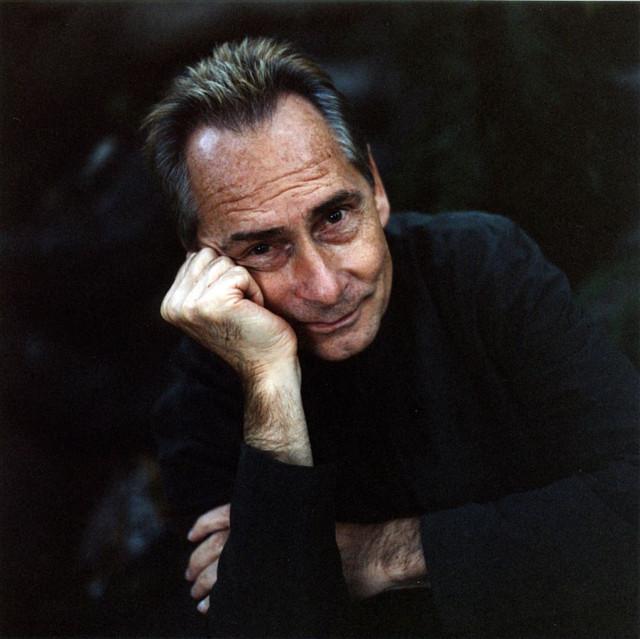
Jon Hassell’s Spotify BioTrumpeter Jon Hassell was the originator and unrivalled master of the musical aesthetic he dubbed Fourth World -- in his own words, "a unified primitive/futuristic sound combining features of world ethnic styles with advanced electronic techniques." Born March 22, 1937 in Memphis, TN, he attended Rochester, NY's Eastman School of Music and Washington, DC's Catholic University before studying in Europe under the legendary Karlheinz Stockhausen. After subsequent collaborations with minimalist pioneers La Monte Young and Terry Riley, Hassell mounted a number of solo pieces known collectively as the Landmusic Series; the most famous of these so-called "sound monuments" was 1969's Solid State, an electronic project which evoked the gradual erosion of sand dune formations via a tuned mass of vibrations.
Beginning in 1972, Hassell studied classical Indian music under the tutelage of Pandit Pran Nath, modifying Nath's vocal techniques to the trumpet to develop the Fourth World concept, which he… introduced with 1978's Vernal Equinox. The jazz-inspired Earthquake Island appeared a year later, and in 1980 Hassell issued Possible Musics/Fourth World Vol. 1, a collaboration with Brian Eno. (A sequel, Dream Theory in Malaya/Fourth World Vol. 2, was quick in forthcoming.) Through Eno, he also began working with a series of experimental pop acts, appearing on records by Talking Heads, David Sylvian and Peter Gabriel; in 1982, Hassell additionally scored Magazzini Criminali's Venice production of Sulla Strada, earning an Ubu award for Best Music for a Theatrical Work.
Following 1983's Aka-Dabari-Java/Magic Realism (co-produced by Daniel Lanois), Hassell did not resurface on record until 1986's Power Spot; in the interim, he composed Pano de Costa, a string quartet piece recorded by the Kronos Quartet for their White Man Sleeps LP. The Surgeon of the Nightsky Restores Dead Things by the Power of Sound followed in 1987, and that same year Hassell collaborated with the Burkina Faso percussion ensemble Farafina, a union which spawned 1989's Flash of the Spirit. The hip hop-inspired City: Works of Fiction appeared in 1990, and four years later he launched Dressing for Pleasure; subsequent projects include Lurch, an experimental dance piece choreographed by Gideon Obarzanek, and 1999's Fascinoma, on which Hassell collaborated with Ry Cooder and Jacky Terrasson. Hollow Bamboo was issued a year later.
Viberate is a music analytics platform built for A&Rs, artist managers, labels, booking agents, marketers, and artists.
It helps music professionals track artist growth, analyze audience data, monitor playlist activity, compare artists, follow song performance, and identify opportunities across the music market.
Public artist pages provide a free preview of selected artist data. Paid plans provide access to deeper analytics, historical data, charts, comparisons, playlist tools, exports, alerts, reports, and additional professional features.
Yes. Public Viberate artist pages provide selected artist analytics and music data for free.
Viberate also offers a 7-day free trial of the full platform. A credit card is required to start the trial. The trial includes access to the complete product so users can test deeper artist analytics, historical views, playlist insights, comparisons, charts, exports, alerts, and reporting features before choosing a paid plan.
Viberate provides artist analytics across streaming, playlists, social media, video, radio airplay, songs, and audience markets.
Users can analyze Spotify performance, Spotify and Apple Music playlists, YouTube activity, TikTok and Instagram growth, radio spins, song performance, audience locations, demographics, rankings, and overall artist momentum.
Artist profiles also connect to music charts, similar artists, and comparison tools, helping users benchmark performance and evaluate artists in context.
Viberate updates key artist and track data daily.
For followed artists and tracks, selected data is refreshed multiple times per day. This helps teams monitor playlist changes, streaming movement, audience growth, releases, and campaign performance with more current data.
Update frequency can vary depending on the metric and data source.
Yes. Viberate lets users compare up to five artists side by side across streaming, social media, audience, and engagement metrics.
Users can compare fanbase growth, audience demographics, locations, Spotify performance, social metrics, and other artist data over selected time periods.
Artist comparison can be used for A&R scouting, benchmarking, booking decisions, campaign planning, and evaluating artists with similar audiences or market positions.