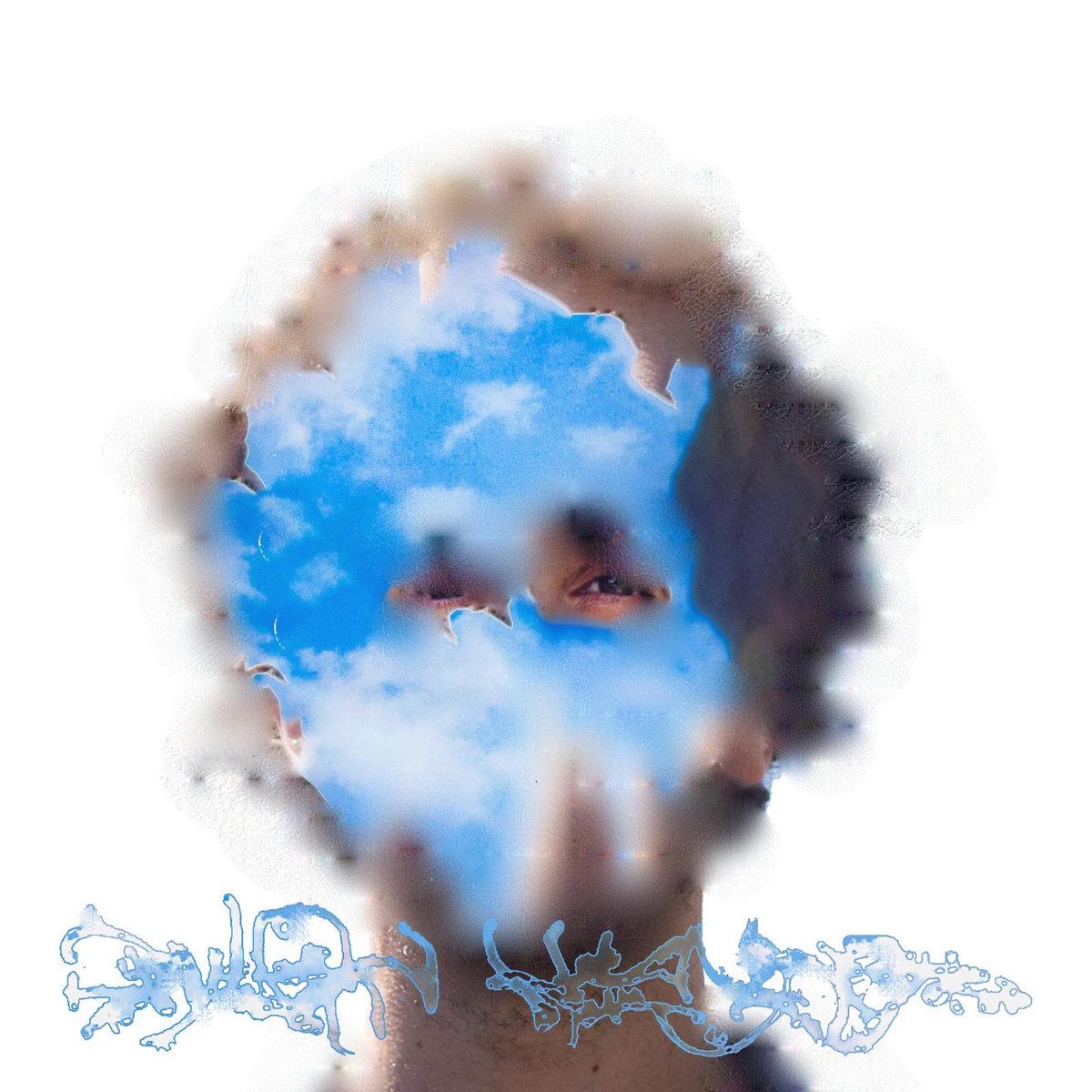
K. Leimer

Electronic
Downtempo
Ambient
 Viberate Rank: 199534
 Viberate Rank: 199534
 Monthly ListenersFollowers
 Subscribers
 Followers
 Followers
 FansTop Spotify Songs
| Track | 7-Day Streams | |
|---|---|---|
1 | 1.22K | |
2 | 1.20K | |
3 | 1.02K | |
4 | 766 | |
5 | 611 |
Top YouTube VideosMonthly ListenersFeatured in Playlists| Playlist | Followers | |
|---|---|---|
1 |  Aphex Twin: [mostly mellow] for Supreme Supreme | 44.15K |
2 | Ambient Electronic cotter | 32.64K |
3 |  ASSTRONOMY 202 caneronwinter | 30.86K |
4 |  Very Beautiful Songs Alex Delany | 24.83K |
5 | Unofficial Reverb Radio Jeff Ferruzzo | 21.82K |
Audience| City | Monthly Listeners | |
|---|---|---|
1 |  | 562 |
2 |  | 556 |
3 | | 446 |
4 | | 433 |
5 | | 362 |
See full performance history, audience data, playlist activity, rankings, comparisons, and more in Viberate music analytics. Start with a free trial, then continue with a paid plan.
K. Leimer’s Spotify BioSeattle-based composer K. Leimer has been making ambient and experimental music since the mid-'70s, releasing the majority of it on his own Palace of Lights label. Inspired by the tape loop experiments of Brian Eno and the free-form cosmic explorations of Krautrock groups such as Cluster and Neu!, he began creating similar sounds at a time when interest in these forms of music was virtually unheard of in the United States. Leimer's early releases included ambient albums like Closed System Potentials (1980) as well as more rhythmic works such as Land of Look Behind, a soundtrack to a 1982 documentary about Jamaica. Leimer also formed Savant, an avant-funk/rock collective along the lines of Material or the Golden Palominos. Following a hiatus which lasted nearly two decades, Leimer relaunched his label near the beginning of the 2000s and resumed activity. By the mid-2010s, Leimer's music began attracting more interest than it ever had during the previous decades. RVNG Intl. issued A… Period of Review, a collection of previously unreleased works, in 2014, and Leimer continued releasing albums such as 2015's The Grey Catalog, in addition to remastered editions of earlier works.
Kerry Leimer was born in Winnipeg, Canada, and raised in Chicago before his family settled in Seattle in 1967. Interested in Dadaist and Surrealist art as a teenager, he discovered the work of experimental musicians who were making the audio equivalent of abstract art. He began buying cheap instruments and recording equipment, and started experimenting with tape loops, textural sounds, and unusual recording techniques. Leimer appeared on early cassettes by Anode (Robert Carlberg) beginning in the mid-'70s, and his earliest releases were on Anode Productions near the end of the decade. In 1979, Leimer and his wife, Dorothy Cross, established Palace of Lights in order to help foster the growing community of experimental musicians in Seattle. Leimer's first LP, Closed System Potentials, was released in 1980. His second, Land of Look Behind, was the soundtrack to a 1982 documentary about Jamaican culture following the death of Bob Marley, and combined ambient synthesizer textures with Nyabinghi drum rhythms. Around this time, Leimer was also active with his Savant project, a collaborative studio project which explored funk, dub, and post-punk rhythms and made extensive usage of sampling, recalling Brian Eno and David Byrne's My Life in the Bush of Ghosts. Savant's only full-length, The Neo-Realist (At Risk), was released in 1983.
Following a few more releases that year, including the serene Music for Land and Water and the more rhythmic Imposed Order, Leimer went on hiatus from releasing music. He transitioned from analog to digital instruments and continued recording, but he didn't reactivate Palace of Lights until 2002, when he reissued several of his older albums on CD, in addition to the freshly recorded The Listening Room. Several other Leimer full-lengths followed, including 2004's Statistical Truth and 2010's Degraded Certainties, and Palace of Lights additionally released recordings by artists such as Gregory Taylor and Marc Barreca.
Leimer finally began to receive a significant amount of recognition around 2014, when RVNG Intl. released A Period of Review (Original Recordings: 1975-1983), a collection of previously unissued pieces. The label also released a Savant compilation titled Artificial Dance in 2015. Recordings 1977-1980, a double-LP reissue of some of Leimer's early cassette-released material, was put out by Vinyl-on-Demand the same year. Palace of Lights continued regularly issuing Leimer albums, including 2015's The Grey Catalog, 2016's Re-enact, and several collaborations with Barreca. Additionally, First Terrace Records released Leimer's 2017 collaboration with Like a Villain, and Origin Peoples issued the Kosmische-style Mitteltöner in 2018. Imposed Order/Imposed Absence, a remastered edition of the 1983 album paired with unreleased material recorded during Leimer's extended hiatus, was also released in 2018. The dense, politically concerned Irrational Overcast was released by First Terrace in 2019. ~ Paul Simpson, Rovi
Viberate is a music analytics platform built for A&Rs, artist managers, labels, booking agents, marketers, and artists.
It helps music professionals track artist growth, analyze audience data, monitor playlist activity, compare artists, follow song performance, and identify opportunities across the music market.
Public artist pages provide a free preview of selected artist data. Paid plans provide access to deeper analytics, historical data, charts, comparisons, playlist tools, exports, alerts, reports, and additional professional features.
Yes. Public Viberate artist pages provide selected artist analytics and music data for free.
Viberate also offers a 7-day free trial of the full platform. A credit card is required to start the trial. The trial includes access to the complete product so users can test deeper artist analytics, historical views, playlist insights, comparisons, charts, exports, alerts, and reporting features before choosing a paid plan.
Viberate provides artist analytics across streaming, playlists, social media, video, radio airplay, songs, and audience markets.
Users can analyze Spotify performance, Spotify and Apple Music playlists, YouTube activity, TikTok and Instagram growth, radio spins, song performance, audience locations, demographics, rankings, and overall artist momentum.
Artist profiles also connect to music charts, similar artists, and comparison tools, helping users benchmark performance and evaluate artists in context.
Viberate updates key artist and track data daily.
For followed artists and tracks, selected data is refreshed multiple times per day. This helps teams monitor playlist changes, streaming movement, audience growth, releases, and campaign performance with more current data.
Update frequency can vary depending on the metric and data source.
Yes. Viberate lets users compare up to five artists side by side across streaming, social media, audience, and engagement metrics.
Users can compare fanbase growth, audience demographics, locations, Spotify performance, social metrics, and other artist data over selected time periods.
Artist comparison can be used for A&R scouting, benchmarking, booking decisions, campaign planning, and evaluating artists with similar audiences or market positions.