Joi

Electronic
Other Electronic Music
Jazz Fusion
 Viberate Rank: 143119
 Viberate Rank: 143119
 Monthly ListenersFollowers
 Subscribers
 Followers
 Followers
 FansTop Spotify Songs
| Track | 7-Day Streams | |
|---|---|---|
1 | 35.69K | |
2 | 13.13K | |
3 | 1.14K | |
4 | 389 | |
5 | 346 |
Top YouTube VideosMonthly ListenersFeatured in Playlists| Playlist | Followers | |
|---|---|---|
1 |  1000 Recordings to Hear Before You Die (Tom Moon): Album Index Ulysses' Classical | 94.29K |
2 |  This Is Run The Jewels Spotify | 73.81K |
3 |  2026 Late night drives 🪐 Nj.terry | 52.34K |
4 |  2026 chill music Nj.terry | 42.50K |
5 |  This Is Westside Gunn Spotify | 30.75K |
Audience| City | Monthly Listeners | |
|---|---|---|
1 |  | 198 |
2 | | 26 |
3 |  | 24 |
4 |  | 21 |
5 | | 18 |
See full performance history, audience data, playlist activity, rankings, comparisons, and more in Viberate music analytics. Start with a free trial, then continue with a paid plan.
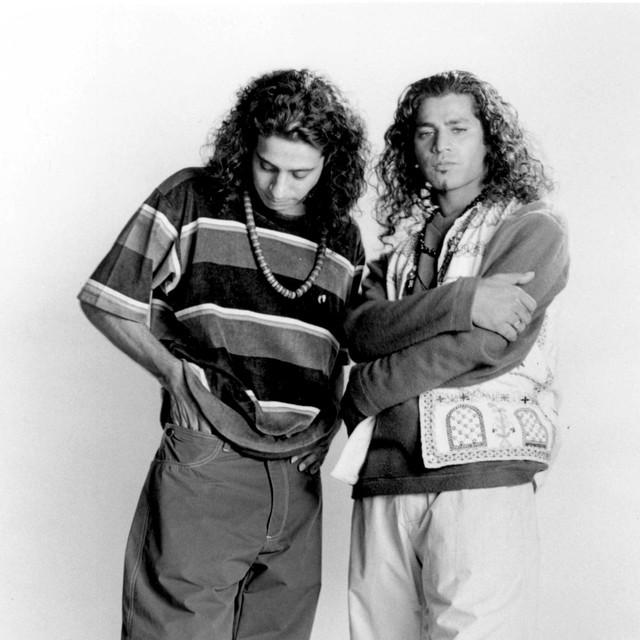
Joi’s Spotify BioNatives of Bengal, India, the Shamsher brothers -- Asian/Anglo DJ-vocalists Haroon and Farook -- first attracted attention in the early-'90s as members of the Joi Bengal Sound System. Their debut single, "Desert Storm," was released in 1993. Masters of the new studio technology, they often appeared at DAT/DJ session in London clubs where they artistically mixed DATs with vinyl and sampling and live percussion by Bongo Paul. 1999 seemed to be the year that Joi had envisioned for nearly a decade. After years of building a following in London clubs, the self-described "original Asian backbeat fusionists" had successfully toured North America and had released a groundbreaking album, One and One Is One, on Peter Gabriel's Real World label. Combining Asian chants, India-influenced melodies and westernized dance music and hip-hop, the Shamsher brothers had been embraced by the popular music world. The headliners of the "Freshworld" Free Music Festival in London, Joi received a BBC Asian Music… award in 1999. While VH1 claimed that Joi "mesh the fabrics of underground dance, Indian percussion, trance-inducing chants and a rhythm far more futurist than old-school funk", MTV said, "They've concocted a batch of four-on-the-floor dance numbers that incorporate relentlessly upbeat and free-spirited sound." Just as the momentum of the band's rise peaked, Haroon Shamsher was forced to shut down operations when his brother fell victim to a heart attack and died on July 8, 1999. After a four-month period of mourning, Farook pulled together a new line-up for the group and began to pick up the pieces, touring as opening act for the British tour by Eurythmics. 2001's We Are Three and 2006's Without Zero followed. ~ Craig Harris, Rovi
Viberate is a music analytics platform built for A&Rs, artist managers, labels, booking agents, marketers, and artists.
It helps music professionals track artist growth, analyze audience data, monitor playlist activity, compare artists, follow song performance, and identify opportunities across the music market.
Public artist pages provide a free preview of selected artist data. Paid plans provide access to deeper analytics, historical data, charts, comparisons, playlist tools, exports, alerts, reports, and additional professional features.
Yes. Public Viberate artist pages provide selected artist analytics and music data for free.
Viberate also offers a 7-day free trial of the full platform. A credit card is required to start the trial. The trial includes access to the complete product so users can test deeper artist analytics, historical views, playlist insights, comparisons, charts, exports, alerts, and reporting features before choosing a paid plan.
Viberate provides artist analytics across streaming, playlists, social media, video, radio airplay, songs, and audience markets.
Users can analyze Spotify performance, Spotify and Apple Music playlists, YouTube activity, TikTok and Instagram growth, radio spins, song performance, audience locations, demographics, rankings, and overall artist momentum.
Artist profiles also connect to music charts, similar artists, and comparison tools, helping users benchmark performance and evaluate artists in context.
Viberate updates key artist and track data daily.
For followed artists and tracks, selected data is refreshed multiple times per day. This helps teams monitor playlist changes, streaming movement, audience growth, releases, and campaign performance with more current data.
Update frequency can vary depending on the metric and data source.
Yes. Viberate lets users compare up to five artists side by side across streaming, social media, audience, and engagement metrics.
Users can compare fanbase growth, audience demographics, locations, Spotify performance, social metrics, and other artist data over selected time periods.
Artist comparison can be used for A&R scouting, benchmarking, booking decisions, campaign planning, and evaluating artists with similar audiences or market positions.