Ekova

European
French Folk
Jazz Fusion
 Viberate Rank: 433189
 Viberate Rank: 433189
 Monthly ListenersFollowers
 Subscribers
 Followers
 Followers
 FansTop Spotify Songs
| Track | 7-Day Streams | |
|---|---|---|
1 | 308 | |
2 | 287 | |
3 | 148 | |
4 | 116 | |
5 | 71 |
Top YouTube VideosMonthly ListenersFeatured in Playlists| Playlist | Followers | |
|---|---|---|
1 |  Buddha Bar Vol 3 tamamcem | 5.90K |
2 |  Tribal Spirit Groove ☀️ Pulso de Gaia 🌍✨ robsigwalt | 5.53K |
3 |  Radio Paradise R | 4.24K |
4 |  Musica para fumar marihuana mientras cosechas marihuana Rodrigo Gonzalez | 4.17K |
5 |  the righteous gemstones seasons 1-4 complete soundtrack sempiturnal | 2.78K |
Audience| City | Monthly Listeners | |
|---|---|---|
1 |  | 56 |
2 | | 42 |
3 |  | 33 |
4 |  | 29 |
5 |  | 25 |
See full performance history, audience data, playlist activity, rankings, comparisons, and more in Viberate music analytics. Start with a free trial, then continue with a paid plan.
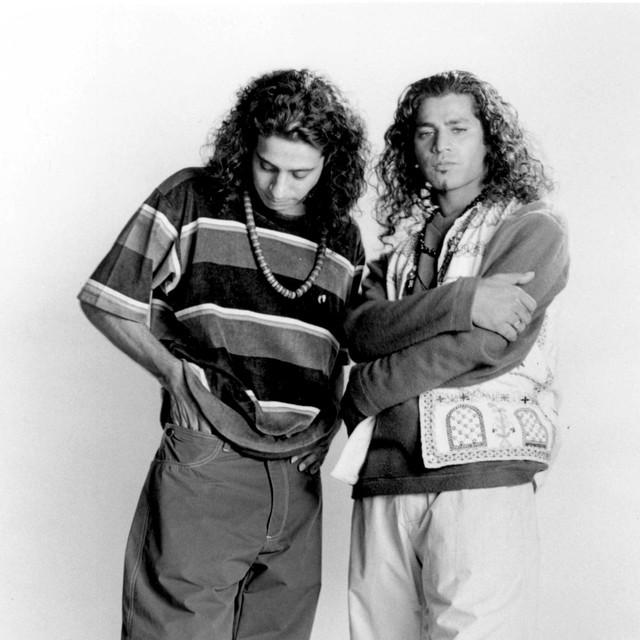
Ekova’s Spotify BioThe globally inspired trio Ekova got its name from a word coined by singer/songwriter Dierdre Dubois when she combined the words "echo" and "ova." The Paris-based group consists of Dubois, a transplanted Californian; Iranian percussionist Arach Khalatbari; Algerian guitarist/oud player Mehdi Haddab; and French keyboardist Cyrille Dufay, who was actually enlisted only to modernize the sound on portions of the group's debut album. That album, Heaven's Dust, combined modern textures and arrangements with African, Celtic, Indian, and Near Eastern elements and Dubois' unique, self-created language. The album was released in France in 1998 and found a U.S. release in 2000 on Six Degrees Records, as did a 1999 remix album titled Soft Breeze & Tsunami Breaks. Space Lullabies and Other Fantasmagore followed in early 2001. ~ Heather Phares, Rovi
Viberate is a music analytics platform built for A&Rs, artist managers, labels, booking agents, marketers, and artists.
It helps music professionals track artist growth, analyze audience data, monitor playlist activity, compare artists, follow song performance, and identify opportunities across the music market.
Public artist pages provide a free preview of selected artist data. Paid plans provide access to deeper analytics, historical data, charts, comparisons, playlist tools, exports, alerts, reports, and additional professional features.
Yes. Public Viberate artist pages provide selected artist analytics and music data for free.
Viberate also offers a 7-day free trial of the full platform. A credit card is required to start the trial. The trial includes access to the complete product so users can test deeper artist analytics, historical views, playlist insights, comparisons, charts, exports, alerts, and reporting features before choosing a paid plan.
Viberate provides artist analytics across streaming, playlists, social media, video, radio airplay, songs, and audience markets.
Users can analyze Spotify performance, Spotify and Apple Music playlists, YouTube activity, TikTok and Instagram growth, radio spins, song performance, audience locations, demographics, rankings, and overall artist momentum.
Artist profiles also connect to music charts, similar artists, and comparison tools, helping users benchmark performance and evaluate artists in context.
Viberate updates key artist and track data daily.
For followed artists and tracks, selected data is refreshed multiple times per day. This helps teams monitor playlist changes, streaming movement, audience growth, releases, and campaign performance with more current data.
Update frequency can vary depending on the metric and data source.
Yes. Viberate lets users compare up to five artists side by side across streaming, social media, audience, and engagement metrics.
Users can compare fanbase growth, audience demographics, locations, Spotify performance, social metrics, and other artist data over selected time periods.
Artist comparison can be used for A&R scouting, benchmarking, booking decisions, campaign planning, and evaluating artists with similar audiences or market positions.