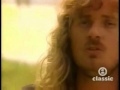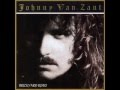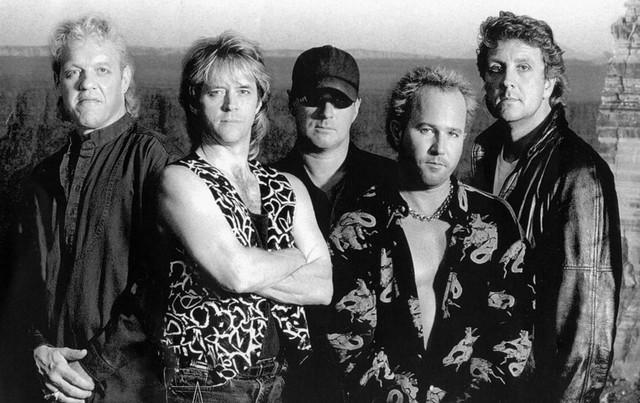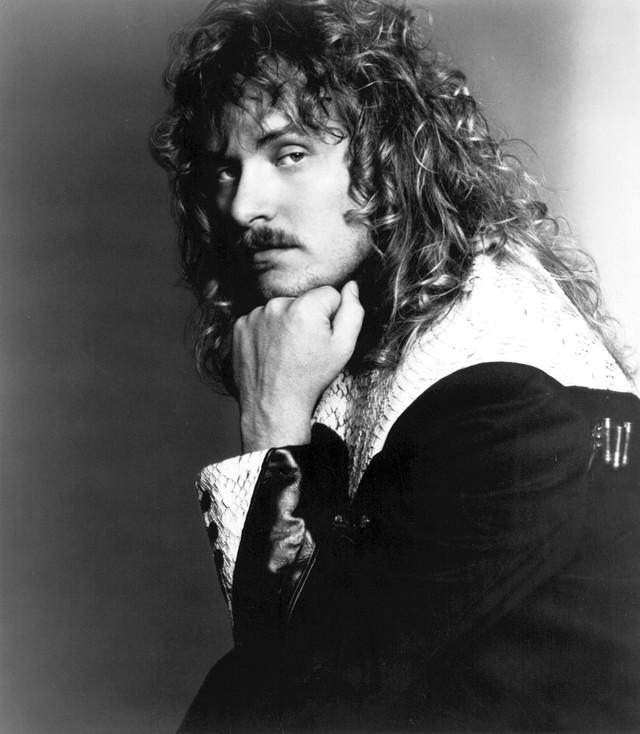
Johnny Van Zant

Rock
Hard Rock
Alternative Rock
 Viberate Rank: 102411
 Viberate Rank: 102411
 Monthly ListenersFollowers
 Subscribers
 Followers
 Followers
 FansTop Spotify Songs
| Track | 7-Day Streams | |
|---|---|---|
1 | 9.62K | |
2 | 4.31K | |
3 | 1.22K | |
4 | 219 | |
5 | 195 |
Top YouTube VideosMonthly ListenersFeatured in Playlists| Playlist | Followers | |
|---|---|---|
1 |  Southern Rock Spotify | 542.50K |
2 |  This Is Lynyrd Skynyrd Spotify | 206.21K |
3 |  Surf Rock Music 🏄🏻♂️ Palmfy | 83.31K |
4 |  80s 90s 00s songs that make you feel unreal oceanify | 79.49K |
5 |  250mph• ULTIMATE DRIVING ROCK & METAL Judge & Jury | 57.85K |
Audience| City | Monthly Listeners | |
|---|---|---|
1 |  | 607 |
2 | | 576 |
3 | | 515 |
4 | | 473 |
5 |  | 443 |
See full performance history, audience data, playlist activity, rankings, comparisons, and more in Viberate music analytics. Start with a free trial, then continue with a paid plan.
Johnny Van Zant’s Spotify BioThe youngest brother of Lynyrd Skynyrd founder Ronnie Van Zant and .38 Special's Donnie Van Zant, Johnny Van Zant grew up in the shadow of his older siblings, who emerged as major figures in rock & roll during the early and mid-'70s. The death of Ronnie Van Zant and other key members of the Lynyrd Skynyrd lineup in a plane crash on October 20, 1977 eventually put Johnny in the position of being one holder of the Lynyrd Skynyrd legacy, but he started performing long before he became a part of the re-formed '80s/'90s version of the band.
Johnny began performing at age 15. His original inclination was to be a drummer, but he ultimately chose singing as his profession -- his brother Ronnie used to say that Johnny had the best voice in the family. His first group, the Austin Nickels Band, featuring Robbie Gay on guitar and Ribbue Morris on drums, played the local bar circuit, with Ronnie as mentor to the band. After Ronnie's death in 1977, Donnie Van Zant helped advise the group, but they… didn't record their first album until 1980. Under the name Johnny Van Zant, he cut his first album, No More Dirty Deals, with the band -- by now including Eric Lundgren on guitar and Ronnie Clausman on bass -- in 1980. That debut record concluded with his tribute to Ronnie, "Standing in the Darkness."
Van Zant recorded two more albums for Polydor, Round Two and Last of the Wild Ones, in 1981 and 1982, before moving on to Geffen Records, where he recorded Van Zant in 1985. His career was going strong into the middle of the decade, playing with the same band he'd started with a decade earlier, but later on in the '80s, he found his brand of high-energy Southern rock falling out of favor. Rather than change his sound, Van Zant left the business and spent the next few years making a living driving a truck.
He rejoined the music business with the help of the revived Lynyrd Skynyrd band. He joined the surviving original bandmembers as vocalist for one tour and then became a permanent member. Although some critics consider their tours and periodic recordings to be tantamount to musical grave-robbing, Van Zant once again proved himself a superb vocalist and the group acquitted itself exceptionally well. Van Zant recorded Brickyard Road for Atlantic in 1990, but has otherwise involved himself deeply in Lynyrd Skynyrd during the '90s and 2000s. ~ Bruce Eder, Rovi
Viberate is a music analytics platform built for A&Rs, artist managers, labels, booking agents, marketers, and artists.
It helps music professionals track artist growth, analyze audience data, monitor playlist activity, compare artists, follow song performance, and identify opportunities across the music market.
Public artist pages provide a free preview of selected artist data. Paid plans provide access to deeper analytics, historical data, charts, comparisons, playlist tools, exports, alerts, reports, and additional professional features.
Yes. Public Viberate artist pages provide selected artist analytics and music data for free.
Viberate also offers a 7-day free trial of the full platform. A credit card is required to start the trial. The trial includes access to the complete product so users can test deeper artist analytics, historical views, playlist insights, comparisons, charts, exports, alerts, and reporting features before choosing a paid plan.
Viberate provides artist analytics across streaming, playlists, social media, video, radio airplay, songs, and audience markets.
Users can analyze Spotify performance, Spotify and Apple Music playlists, YouTube activity, TikTok and Instagram growth, radio spins, song performance, audience locations, demographics, rankings, and overall artist momentum.
Artist profiles also connect to music charts, similar artists, and comparison tools, helping users benchmark performance and evaluate artists in context.
Viberate updates key artist and track data daily.
For followed artists and tracks, selected data is refreshed multiple times per day. This helps teams monitor playlist changes, streaming movement, audience growth, releases, and campaign performance with more current data.
Update frequency can vary depending on the metric and data source.
Yes. Viberate lets users compare up to five artists side by side across streaming, social media, audience, and engagement metrics.
Users can compare fanbase growth, audience demographics, locations, Spotify performance, social metrics, and other artist data over selected time periods.
Artist comparison can be used for A&R scouting, benchmarking, booking decisions, campaign planning, and evaluating artists with similar audiences or market positions.