Grinderswitch

Blues
Blues Rock
Alternative Rock
 Viberate Rank: 250146
 Viberate Rank: 250146
 Monthly ListenersFollowers
 Subscribers
 Followers
 Followers
 FansTop Spotify Songs
| Track | 7-Day Streams | |
|---|---|---|
1 | 3.22K | |
2 | 2.33K | |
3 | 1.04K | |
4 | 333 | |
5 | 224 |
Top YouTube VideosMonthly ListenersFeatured in Playlists| Playlist | Followers | |
|---|---|---|
1 |  Southern Rock Spotify | 542.48K |
2 |  Classic Southern Rock Andy Aucoin | 50.48K |
3 |  Motorcycle Rock'n Road Júlio Rebelatto | 22.25K |
4 |  Southern Rock Radio ROCK <3 | 14.68K |
5 |  Southern Rock & Country Rock Frater Kilpatrick | 7.91K |
Audience| City | Monthly Listeners | |
|---|---|---|
1 | | 232 |
2 | | 218 |
3 | | 160 |
4 | | 156 |
5 | | 150 |
See full performance history, audience data, playlist activity, rankings, comparisons, and more in Viberate music analytics. Start with a free trial, then continue with a paid plan.
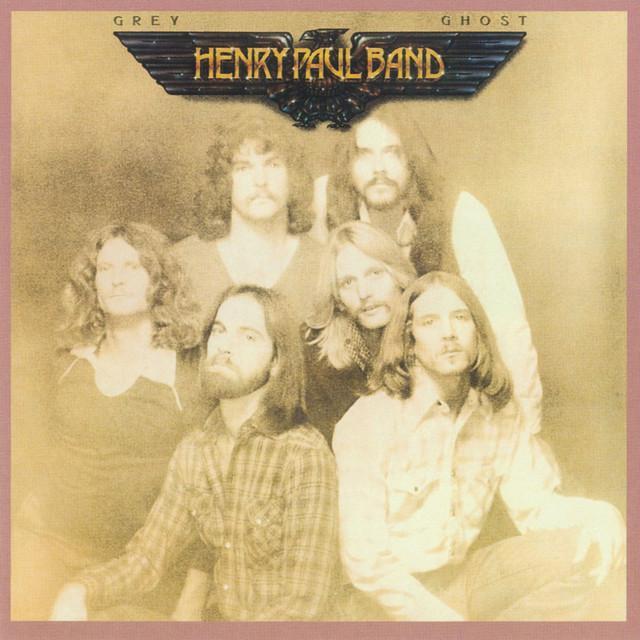
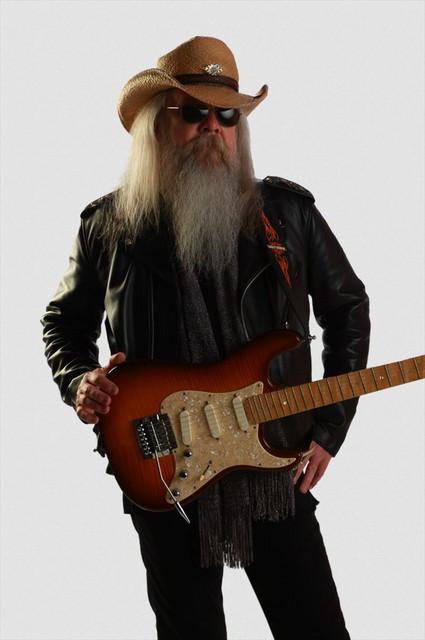
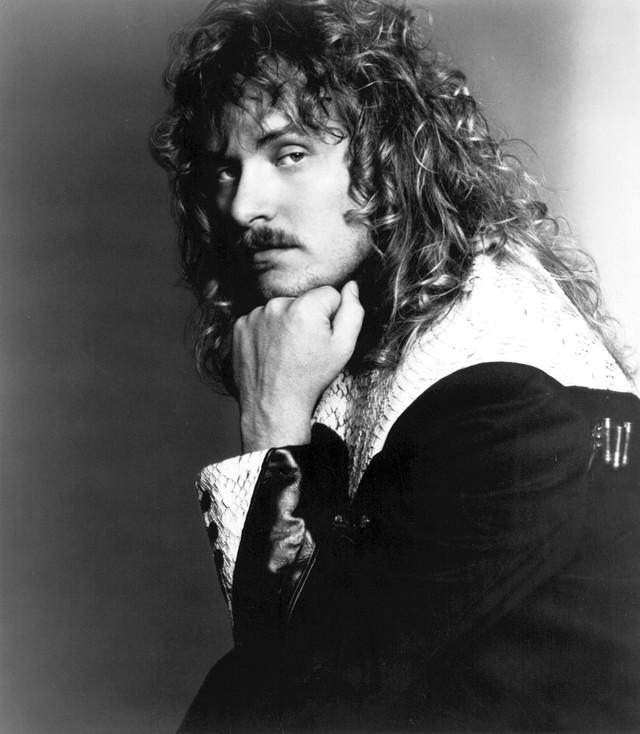
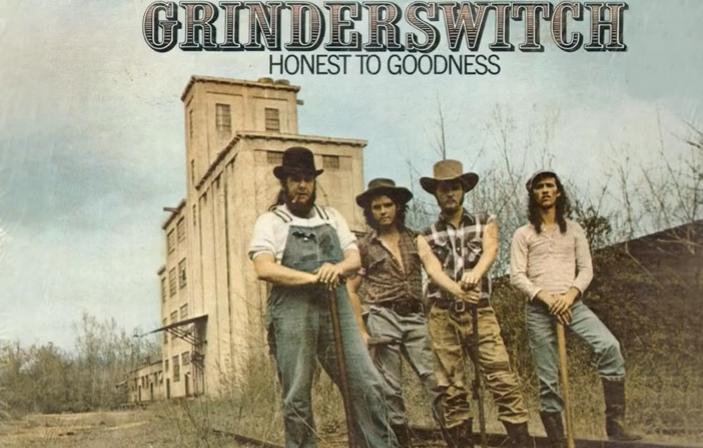
Grinderswitch’s Spotify BioGrinderswitch was a white blues-rock band that never rose above being a second-tier Capricorn Records act, not remotely as popular as the Allman Brothers or the Marshall Tucker Band. But Dru Lombar (vocals, guitar, slide guitar), Larry Howard (guitar), Stephen Miller (keyboards), Joe Dan Petty (bass), and Rick Burnett (drums) built a loyal following in the tens of thousands playing music that was influenced by British blues outfits like John Mayall's Bluesbreakers, Cream and T.S. McPhee's Groundhogs, but also the real article, especially Albert King and Booker T. & the MG's -- Lombar sounded more Black than any White rock singer you've ever heard. They could have been a more soulful and exciting competitor to Canned Heat, but they weren't lucky enough to appear in hit festival movies or get the right single out at the proper time. Working in the commercial shadow of better-known acts, they counted as fans members of the Marshall Tucker Band and a lot of other musicians who felt they… deserved a break. The group failed to emerge as much more than a top regional act and an opener for the Allmans and Charlie Daniels, among others, despite recording seven album between 1972 and 1982, first for Capricorn and later for Atlantic. ~ Bruce Eder, Rovi
Viberate is a music analytics platform built for A&Rs, artist managers, labels, booking agents, marketers, and artists.
It helps music professionals track artist growth, analyze audience data, monitor playlist activity, compare artists, follow song performance, and identify opportunities across the music market.
Public artist pages provide a free preview of selected artist data. Paid plans provide access to deeper analytics, historical data, charts, comparisons, playlist tools, exports, alerts, reports, and additional professional features.
Yes. Public Viberate artist pages provide selected artist analytics and music data for free.
Viberate also offers a 7-day free trial of the full platform. A credit card is required to start the trial. The trial includes access to the complete product so users can test deeper artist analytics, historical views, playlist insights, comparisons, charts, exports, alerts, and reporting features before choosing a paid plan.
Viberate provides artist analytics across streaming, playlists, social media, video, radio airplay, songs, and audience markets.
Users can analyze Spotify performance, Spotify and Apple Music playlists, YouTube activity, TikTok and Instagram growth, radio spins, song performance, audience locations, demographics, rankings, and overall artist momentum.
Artist profiles also connect to music charts, similar artists, and comparison tools, helping users benchmark performance and evaluate artists in context.
Viberate updates key artist and track data daily.
For followed artists and tracks, selected data is refreshed multiple times per day. This helps teams monitor playlist changes, streaming movement, audience growth, releases, and campaign performance with more current data.
Update frequency can vary depending on the metric and data source.
Yes. Viberate lets users compare up to five artists side by side across streaming, social media, audience, and engagement metrics.
Users can compare fanbase growth, audience demographics, locations, Spotify performance, social metrics, and other artist data over selected time periods.
Artist comparison can be used for A&R scouting, benchmarking, booking decisions, campaign planning, and evaluating artists with similar audiences or market positions.