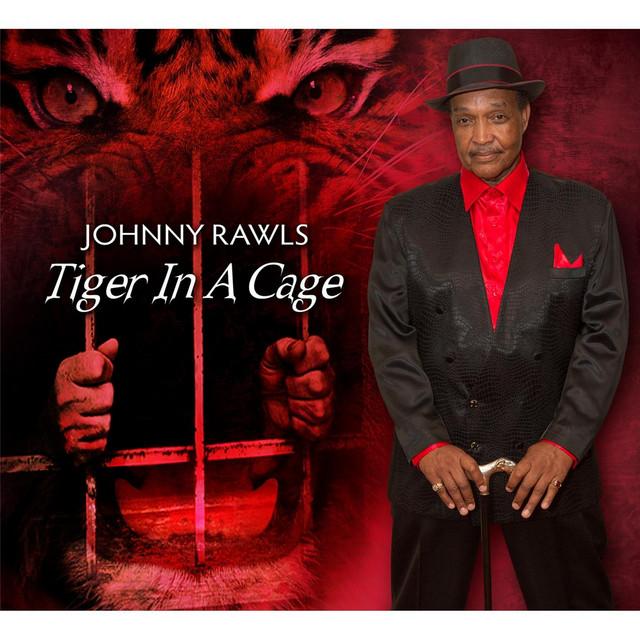
Johnny Rawls

Blues
Blues Rock
Soul Blues
 Viberate Rank: 354014
 Viberate Rank: 354014
 Monthly ListenersFollowers
 Subscribers
 Followers
 Followers
 FansTop Spotify Songs
| Track | 7-Day Streams | |
|---|---|---|
1 | 696 | |
2 | 295 | |
3 | 126 | |
4 | 125 | |
5 | 59 |
Top YouTube Videos| Video | 7-Day Views | |
|---|---|---|
1 | 1 |
Monthly ListenersFeatured in Playlists| Playlist | Followers | |
|---|---|---|
1 |  Whiskey Blues 🥃 Тhe Original | The Best Slow Blues / Blues Rock Don's Tunes | 85.92K |
2 |  Don's Tunes | Blues & Jazz Playlist | Official Don's Tunes | 50.97K |
3 |  Soul Blues Spotify | 44.92K |
4 | jazz,funk,soul,blues,afrobeat,latin İlker Özalp | 11.48K |
5 |  Midnight Blues Helmut Neubauer | 3.81K |
Audience| City | Monthly Listeners | |
|---|---|---|
1 |  | 51 |
2 | | 47 |
3 | | 45 |
4 |  | 40 |
5 |  | 36 |
See full performance history, audience data, playlist activity, rankings, comparisons, and more in Viberate music analytics. Start with a free trial, then continue with a paid plan.
Johnny Rawls’ Spotify BioSinger, songwriter, guitarist, arranger and producer Johnny Rawls draws on the 1950s' and '60s' deep soul-blues tradition in his guitar playing, yet his lyrics and singing are completely 1990s.
Rawls got his early musical education from his grandfather, John Paul Newson, a blind guitarist who played around the Hattiesburg area. Rawls began playing clarinet and saxophone in third grade, and by the time he was in his teens, the band instructor hired Rawls to play in his band. As a teen, Rawls had the opportunity to back singers like Joe Tex and Z.Z. Hill. He began playing guitar at age 12, learning as much as he could from players in other area blues bands. After leaving Mississippi for a year when he was 17, he returned, determined to form his own blues/soul ensemble. They found work backing up touring musicians and by the mid-1970s, Rawls joined O.V. Wright's band, working with Wright until his death in 1980. After Wright's death, the band continued to perform his music for 13 years as …the O.V. Wright Band, opening shows for people like B.B. King, Little Milton Campbell and Bobby Bland. In the mid-1980s, the O.V. Wright Band also toured with Little Johnny Taylor, Latimore, B.B. Coleman, Blues Boy Willie, and others, including Lynn White.
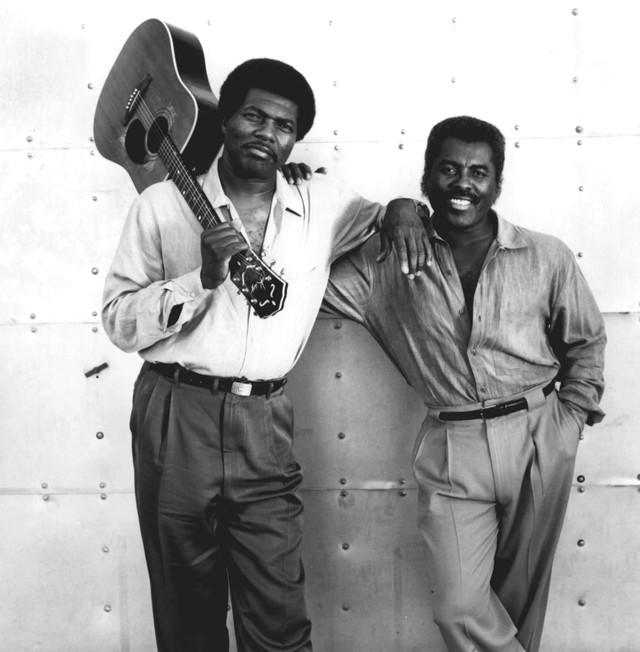
Working with guitarist L.C. Luckett, Rawls recorded 45 rpm singles for his own label, Touch Records, and continued working around the South, touring regionally with soul-blues singers. In 1994, Rawls and Luckett recorded their first album, Can't Sleep at Night, for the Rooster Blues label. In 1995, Rawls parted with Luckett to lead a new group and found a record company that was interested, the London-based JSP label. Here We Go, his debut for JSP Records, was recorded in 1996, and since then, he's followed it up with Louisiana Woman, a 1997 release.
Rawls carries on the soul-blues tradition of people like O.V. Wright, Otis Redding and Z.Z. Hill in his singing style and guitar playing, but his arrangement, production and lyrics are steeped in the 1990s techniques and subject matter. Rawls is a true soul-blues renaissance man and with any luck. ~ Richard Skelly, Rovi
Viberate is a music analytics platform built for A&Rs, artist managers, labels, booking agents, marketers, and artists.
It helps music professionals track artist growth, analyze audience data, monitor playlist activity, compare artists, follow song performance, and identify opportunities across the music market.
Public artist pages provide a free preview of selected artist data. Paid plans provide access to deeper analytics, historical data, charts, comparisons, playlist tools, exports, alerts, reports, and additional professional features.
Yes. Public Viberate artist pages provide selected artist analytics and music data for free.
Viberate also offers a 7-day free trial of the full platform. A credit card is required to start the trial. The trial includes access to the complete product so users can test deeper artist analytics, historical views, playlist insights, comparisons, charts, exports, alerts, and reporting features before choosing a paid plan.
Viberate provides artist analytics across streaming, playlists, social media, video, radio airplay, songs, and audience markets.
Users can analyze Spotify performance, Spotify and Apple Music playlists, YouTube activity, TikTok and Instagram growth, radio spins, song performance, audience locations, demographics, rankings, and overall artist momentum.
Artist profiles also connect to music charts, similar artists, and comparison tools, helping users benchmark performance and evaluate artists in context.
Viberate updates key artist and track data daily.
For followed artists and tracks, selected data is refreshed multiple times per day. This helps teams monitor playlist changes, streaming movement, audience growth, releases, and campaign performance with more current data.
Update frequency can vary depending on the metric and data source.
Yes. Viberate lets users compare up to five artists side by side across streaming, social media, audience, and engagement metrics.
Users can compare fanbase growth, audience demographics, locations, Spotify performance, social metrics, and other artist data over selected time periods.
Artist comparison can be used for A&R scouting, benchmarking, booking decisions, campaign planning, and evaluating artists with similar audiences or market positions.