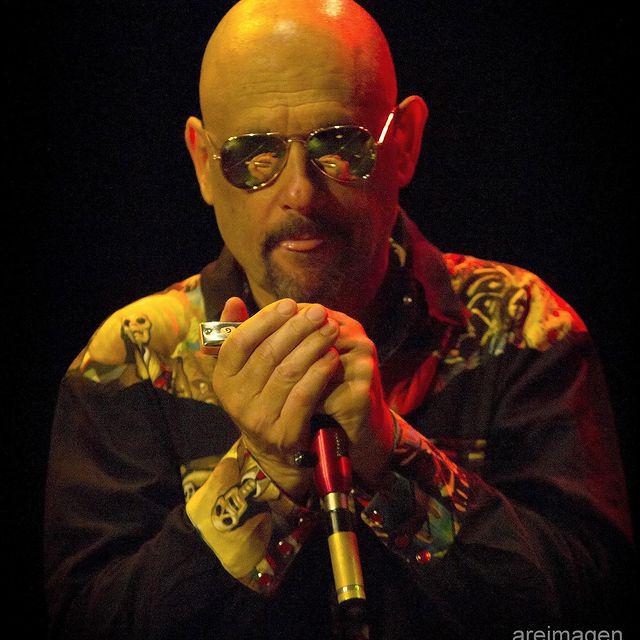
Benny Turner

R&B
Soul
Contemporary Blues
 Viberate Rank: 339388
 Viberate Rank: 339388
 Monthly ListenersFollowers
 Subscribers
 Followers
 Followers
 FansTop Spotify Songs
| Track | 7-Day Streams | |
|---|---|---|
1 | 285 | |
2 | 77 | |
3 | 60 | |
4 | 44 | |
5 | 32 |
Top YouTube VideosMonthly ListenersFeatured in Playlists| Playlist | Followers | |
|---|---|---|
1 |  Slow Blues & Blues Rock | Don's Tunes Don's Tunes | 19.74K |
2 | Sunday Morning Brunch Music Martin Springfeld | 12.05K |
3 |  Ultimate Blues Playlist Marcus | 10.64K |
4 |  Midnight Blues Helmut Neubauer | 3.81K |
5 |  Carolina Beach Music Classics PBC302 | 3.44K |
Audience| City | Monthly Listeners | |
|---|---|---|
1 |  | 17 |
2 |  | 11 |
3 | | 11 |
4 | | 11 |
5 | | 10 |
See full performance history, audience data, playlist activity, rankings, comparisons, and more in Viberate music analytics. Start with a free trial, then continue with a paid plan.
Benny Turner’s Spotify BioBorn in Gilmer, TX, Benny and his older brother, 2012 Rock and Roll Hall of Fame inductee Freddie King, learned to play guitar from their mother, Ella Mae (King) Turner and her brothers.
A 60+ year veteran musician, Benny is best known as bassist for the Freddie King band, then for Mighty Joe Young and lastly for Marva Wright. His earliest musical endeavors are equally noteworthy. He was a recording artist for Chicago’s M-Pac! and One-Derful! labels. He also appears on gospel recordings with The Kindly Shepherds and Otis Clay. He went on the road with Dee Clark in the early ‘60’s, playing legendary venues such as The Apollo, The Howard and The Regal Theaters. He also toured with the Original Soul Stirrers, becoming the first to introduce electric bass to live gospel music.
A captivating live performer and multi-instrumentalist, Benny is also a talented songwriter, arranger and producer. His critically-acclaimed 2014 release, "Journey," was an homage to his deep, rich musical… history. His next release, "When She’s Gone" (February 2016) contains the Ind. Music Awards Best Blues Song, "I Can't Leave." In September 2017, he released the Global Music Awards Silver Medal Winning "My Brother's Blues," in loving tribute to his big brother, best friend and bandmate. "SURVIVOR-The Benny Turner Story" was also published in 2017.
Benny was nominated for a 2018 Blues Music Award, and won the Outstanding Musician/Bass award in the Living Blues Magazine Reader's Poll.
Viberate is a music analytics platform built for A&Rs, artist managers, labels, booking agents, marketers, and artists.
It helps music professionals track artist growth, analyze audience data, monitor playlist activity, compare artists, follow song performance, and identify opportunities across the music market.
Public artist pages provide a free preview of selected artist data. Paid plans provide access to deeper analytics, historical data, charts, comparisons, playlist tools, exports, alerts, reports, and additional professional features.
Yes. Public Viberate artist pages provide selected artist analytics and music data for free.
Viberate also offers a 7-day free trial of the full platform. A credit card is required to start the trial. The trial includes access to the complete product so users can test deeper artist analytics, historical views, playlist insights, comparisons, charts, exports, alerts, and reporting features before choosing a paid plan.
Viberate provides artist analytics across streaming, playlists, social media, video, radio airplay, songs, and audience markets.
Users can analyze Spotify performance, Spotify and Apple Music playlists, YouTube activity, TikTok and Instagram growth, radio spins, song performance, audience locations, demographics, rankings, and overall artist momentum.
Artist profiles also connect to music charts, similar artists, and comparison tools, helping users benchmark performance and evaluate artists in context.
Viberate updates key artist and track data daily.
For followed artists and tracks, selected data is refreshed multiple times per day. This helps teams monitor playlist changes, streaming movement, audience growth, releases, and campaign performance with more current data.
Update frequency can vary depending on the metric and data source.
Yes. Viberate lets users compare up to five artists side by side across streaming, social media, audience, and engagement metrics.
Users can compare fanbase growth, audience demographics, locations, Spotify performance, social metrics, and other artist data over selected time periods.
Artist comparison can be used for A&R scouting, benchmarking, booking decisions, campaign planning, and evaluating artists with similar audiences or market positions.