Johnny Nash

R&B
Soul
Contemporary Blues
 Viberate Rank: 19543
 Viberate Rank: 19543
 Monthly ListenersFollowers
 Subscribers
 Followers
 Followers
 FansTop Spotify Songs
| Track | 7-Day Streams | |
|---|---|---|
1 | 1.18M | |
2 | 9.12K | |
3 | 7.32K | |
4 | 6.53K | |
5 | 5.18K |
Top YouTube Videos| Video | 7-Day Views | |
|---|---|---|
1 | 49.13K | |
2 | 26.33K | |
3 | 14.30K | |
4 | 3.57K | |
5 | 2.71K |
Monthly ListenersFeatured in Playlists| Playlist | Followers | |
|---|---|---|
1 |  70s HITS | TOP 100 SONGS Filtr US | 771.27K |
2 |  Easy 70s Spotify | 518.83K |
3 |  Feel Good Songs 💛🌻💛 ErinEllisIsland | 292.90K |
4 |  60s, 70s, 80s. All Time Classics - Party #fralix | 136.85K |
5 |  Kaulhitz von Bill & Tom Kaulitz Spotify | 111.60K |
Audience| City | Monthly Listeners | |
|---|---|---|
1 |  | 44.46K |
2 |  | 40.53K |
3 |  | 35.69K |
4 | | 34.74K |
5 | | 32.55K |
See full performance history, audience data, playlist activity, rankings, comparisons, and more in Viberate music analytics. Start with a free trial, then continue with a paid plan.
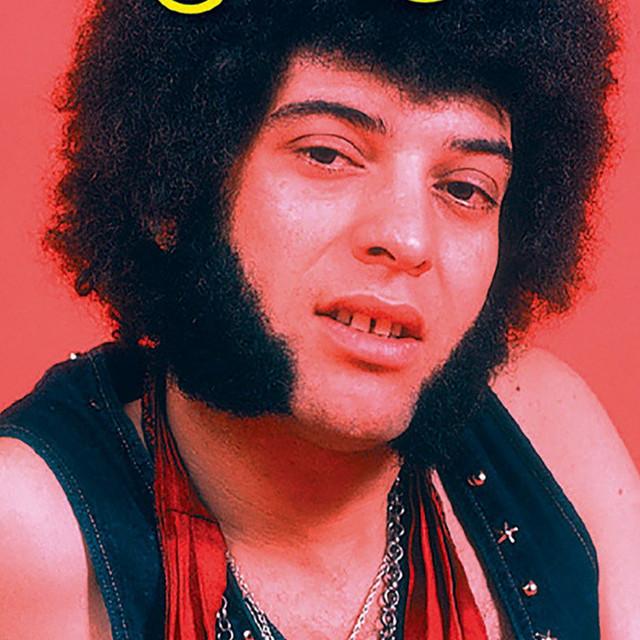
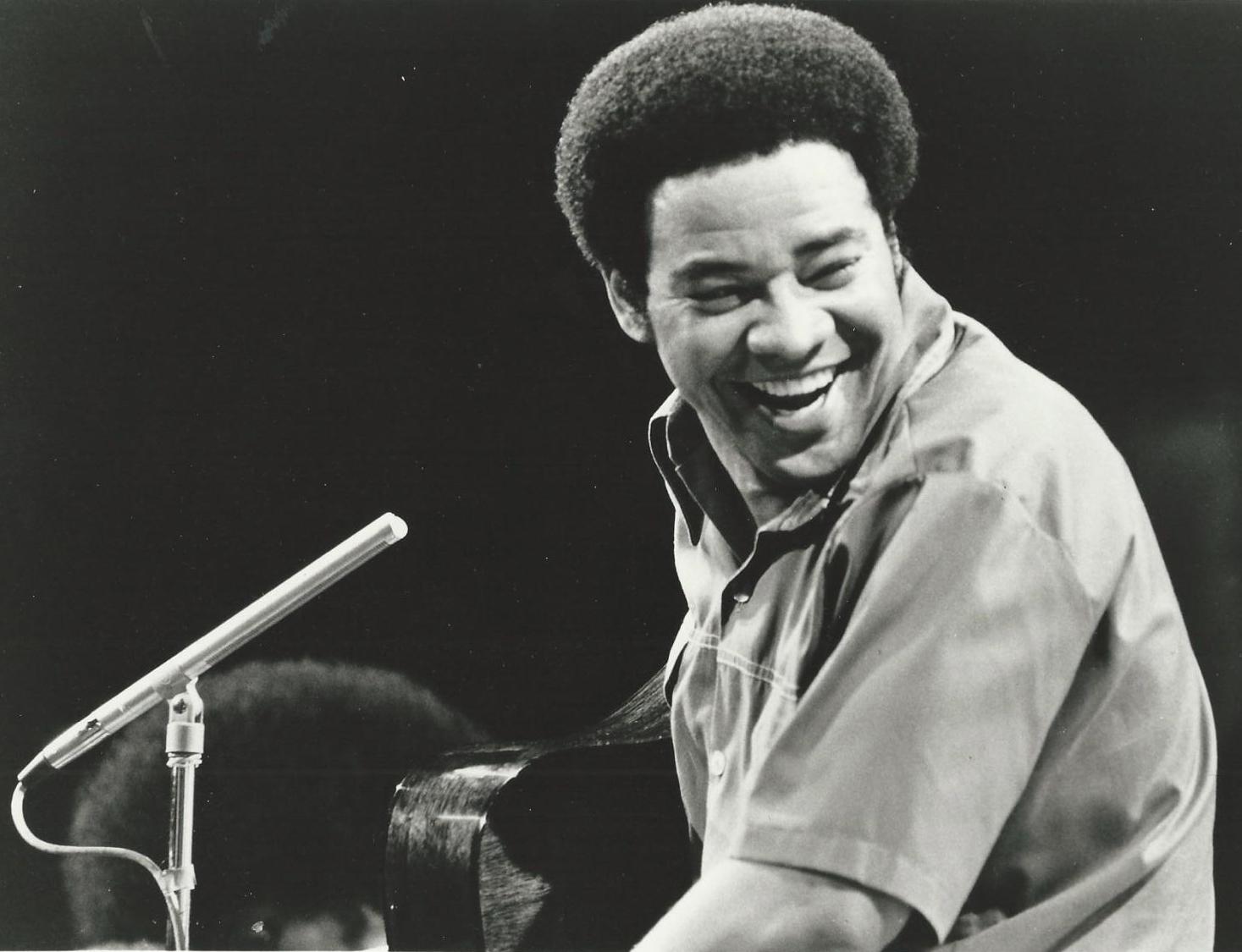
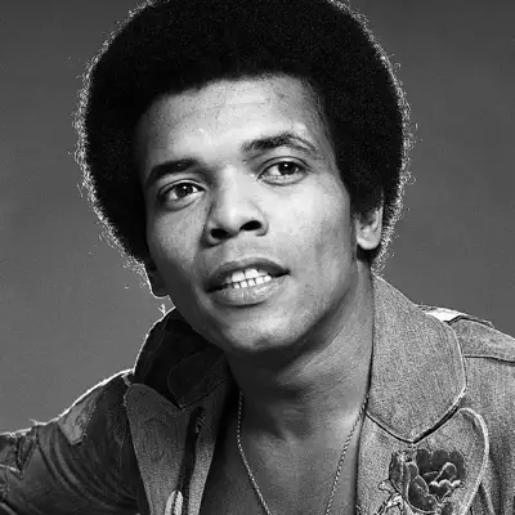
Johnny Nash’s Spotify BioAlthough he initially built his career in the R&B world, singer Johnny Nash proved a pivotal force behind the mainstream acceptance of reggae with the international success of his 1972 chart-topper "I Can See Clearly Now." Already a seasoned performer by the time of its release, Nash had enjoyed modest success singing pop and R&B music before a late-'60s trip to Jamaica set him on a path that would dramatically alter his career. One of the first American acts to record in Kingston, Nash reached his commercial peak in the early '70s and remained popular, especially in England, throughout the decade, after which he more or less retired from recording, touring every now and then up until his death in 2020.
Born in Houston, Texas, on August 19, 1940, Nash honed his vocal skills singing in his Baptist church's choir, and by 13 was a regular on the local television series Matinee, performing covers of current R&B hits. In 1956, he was discovered by Arthur Godfrey, appearing on his radio and… TV broadcasts for the next seven years. Nash signed to ABC-Paramount to release his 1957 debut single, "A Teenager Sings the Blues," scoring his first chart hit early the following year with a rendition of Doris Day's "A Very Special Love." In late 1958, he also teamed with Paul Anka and George Hamilton IV for the inspirational "The Teen Commandments." Marketed as a rival to Johnny Mathis, he even began a film career with 1959's Take a Giant Step, also appearing in 1960's Key Witness before his career flagged with a series of little-noticed singles for Warner Bros., Groove, and Argo.
Nash returned to prominence in 1965 when the ballad "Let's Move and Groove Together" reached the R&B Top Five; more importantly, the record became a major hit in Jamaica, where he traveled in 1967 on a promotional tour. During a return trip, he cut the ska-influenced single "Hold Me Tight" at Byron Lee's Federal Studios; a Top Five pop hit on both sides of the Atlantic, the record was issued on his own JAD label, which in early 1970 scored a Top 40 hit with a reggae-fied rendition of Sam Cooke's "Cupid" as well. The following year, Nash scored a major British hit with his reading of the Bob Marley perennial "Stir It Up." While living in Britain, he signed to Epic, which in 1972 released his biggest hit, "I Can See Clearly Now"; the song sat atop the American pop charts for four weeks. Although his popularity at home again dimmed, Nash returned to the U.K. charts in 1975 with his number one classic "Tears on My Pillow," followed a year later by another Sam Cooke cover, "(What A) Wonderful World."
He gradually retired from performing, although he released an album, Here Again, in 1986, and made a few live appearances. In the early 2000s, Nash began the work of transferring analog tapes of his material from the '70s and '80s to a digital platform at Tierra Studios in his native Houston. Intensely private, he stayed out of the public eye except for occasional tours as the 21st century deepened. Johnny Nash died at his home in Houston on October 6, 2020; he was 80 years old. ~ Jason Ankeny, Rovi
Viberate is a music analytics platform built for A&Rs, artist managers, labels, booking agents, marketers, and artists.
It helps music professionals track artist growth, analyze audience data, monitor playlist activity, compare artists, follow song performance, and identify opportunities across the music market.
Public artist pages provide a free preview of selected artist data. Paid plans provide access to deeper analytics, historical data, charts, comparisons, playlist tools, exports, alerts, reports, and additional professional features.
Yes. Public Viberate artist pages provide selected artist analytics and music data for free.
Viberate also offers a 7-day free trial of the full platform. A credit card is required to start the trial. The trial includes access to the complete product so users can test deeper artist analytics, historical views, playlist insights, comparisons, charts, exports, alerts, and reporting features before choosing a paid plan.
Viberate provides artist analytics across streaming, playlists, social media, video, radio airplay, songs, and audience markets.
Users can analyze Spotify performance, Spotify and Apple Music playlists, YouTube activity, TikTok and Instagram growth, radio spins, song performance, audience locations, demographics, rankings, and overall artist momentum.
Artist profiles also connect to music charts, similar artists, and comparison tools, helping users benchmark performance and evaluate artists in context.
Viberate updates key artist and track data daily.
For followed artists and tracks, selected data is refreshed multiple times per day. This helps teams monitor playlist changes, streaming movement, audience growth, releases, and campaign performance with more current data.
Update frequency can vary depending on the metric and data source.
Yes. Viberate lets users compare up to five artists side by side across streaming, social media, audience, and engagement metrics.
Users can compare fanbase growth, audience demographics, locations, Spotify performance, social metrics, and other artist data over selected time periods.
Artist comparison can be used for A&R scouting, benchmarking, booking decisions, campaign planning, and evaluating artists with similar audiences or market positions.