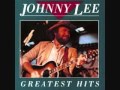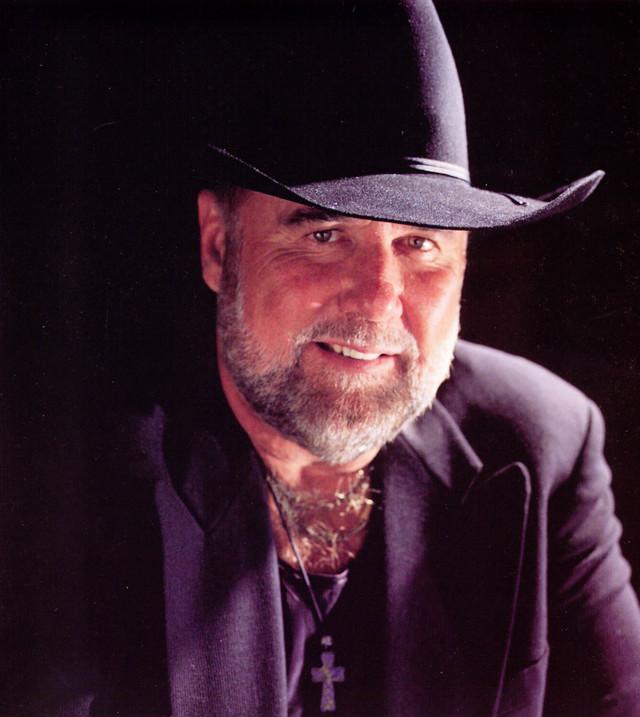
Johnny Lee

Country
Contemporary Country
 Viberate Rank: 28235
 Viberate Rank: 28235
 Monthly ListenersFollowers
 Subscribers
 Followers
 Followers
 FansTop Spotify Songs
| Track | 7-Day Streams | |
|---|---|---|
1 | 532.06K | |
2 | 86.89K | |
3 | 66.55K | |
4 | 62.76K | |
5 | 36.35K |
Top YouTube VideosMonthly ListenersFeatured in Playlists| Playlist | Followers | |
|---|---|---|
1 |  80s Country Spotify | 755.87K |
2 |  Country Live Spotify | 143.34K |
3 |  Classic Country 80s, 90s, 2000s dibs07 | 104.56K |
4 | Classic Country 80s 90s 2000s Jimmyd | 87.66K |
5 |  80's Country (Top 100) aly.matthews16 | 75.11K |
Audience| City | Monthly Listeners | |
|---|---|---|
1 | | 40.90K |
2 | | 34.05K |
3 | | 32.21K |
4 | | 26.15K |
5 | | 17.30K |
See full performance history, audience data, playlist activity, rankings, comparisons, and more in Viberate music analytics. Start with a free trial, then continue with a paid plan.
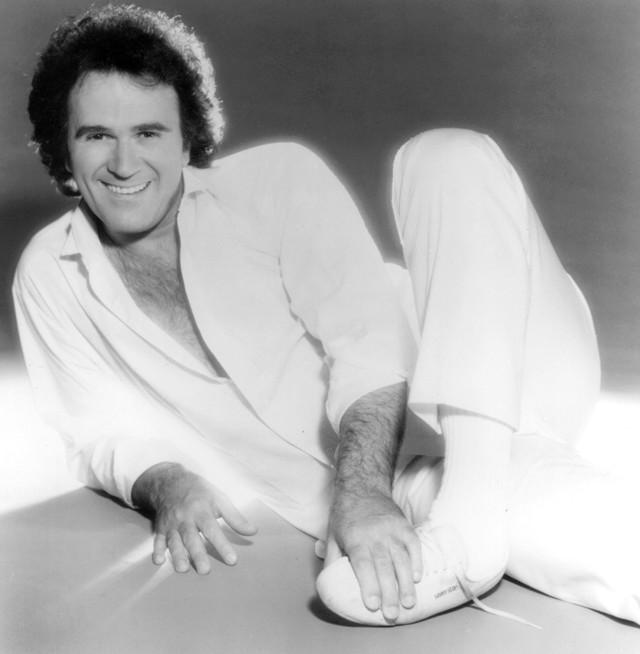
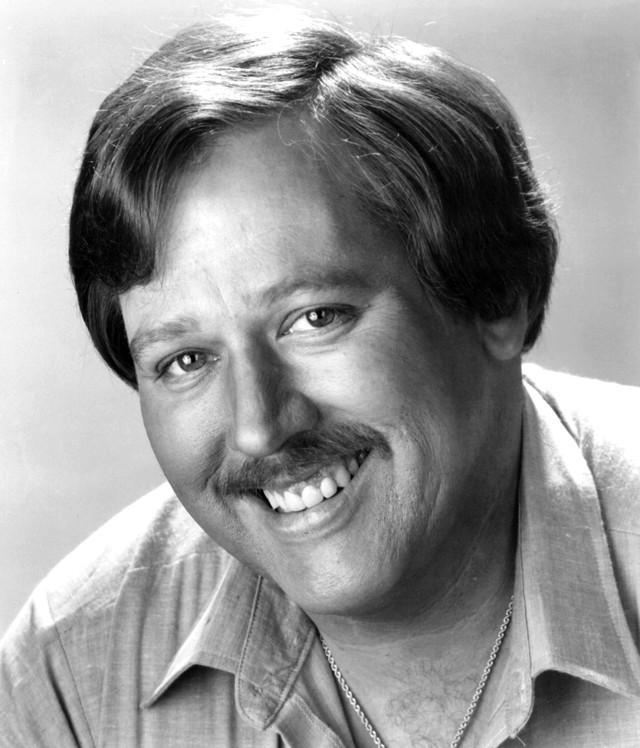
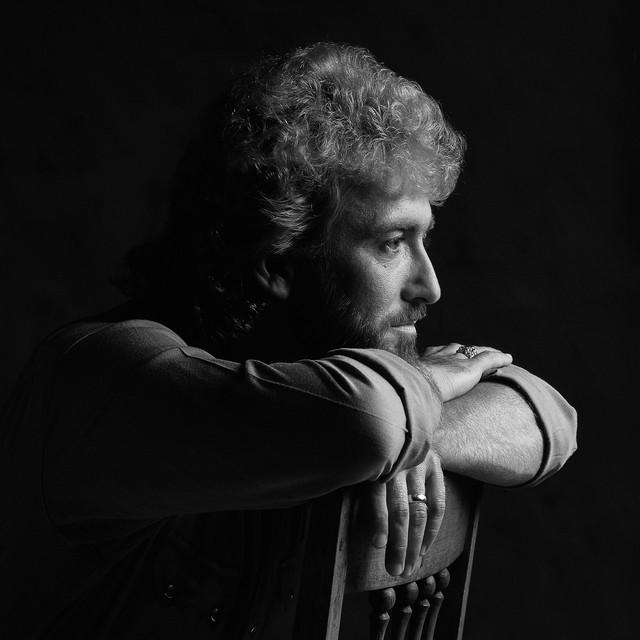
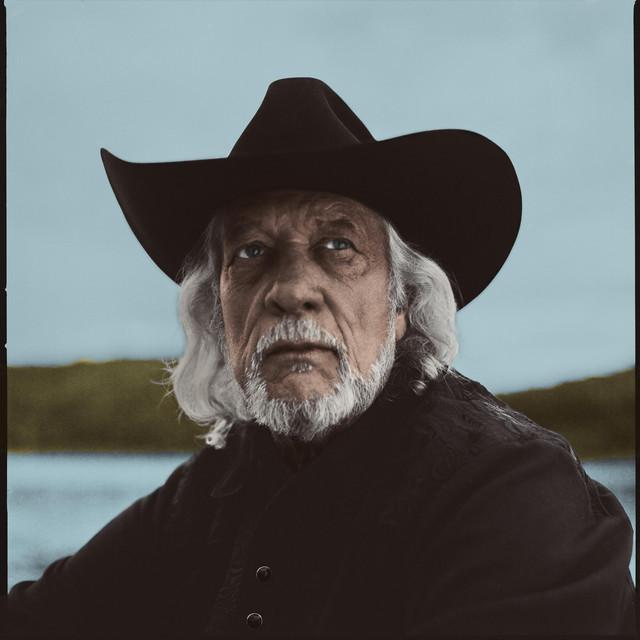
Johnny Lee’s Spotify BioTexas-born country singer Johnny Lee spent years as a journeyman performer, playing Lone Star honky tonks and recording for various labels, before finally breaking through as a major crossover star with the 1980 hit "Lookin' for Love." Possessing a voice that was smooth and natural, with a light twang that was ideal for country songs, Lee's easygoing style gave his music a personality that was relatable as he brought life to songs about love and honky tonk life. The 1980 album Lookin' for Love was his best-selling album and also one of his strongest, 1984's Workin' for a Livin' featured two Top Ten country hits ("You Could've Heard a Heart Break" and "Rollin' Lonely"), and 2002's Live at Billy Bob's Texas captured his easy rapport with an audience.
John Lee Ham was born in Alta Loma, Texas on July 3, 1946, and he came of age listening to first-generation rock & roll artists such as Elvis Presley, Chuck Berry, and Jerry Lee Lewis. Billing himself as Johnny Lee, Ham went from fan to… performer in high school, when he and his friends formed a band called the Road Runners. The Road Runners' local success came to a halt when Lee joined the Navy and served in Southeast Asia as America's involvement in Vietnam grew. After Lee was discharged, he bounced around from Texas to California looking for gigs and landed his first serious break when he met honky tonk man Mickey Gilley in 1968; Lee reminded Gilley of the time they had met and talked music in Galveston, Texas, and Gilley let Lee to join him on-stage that evening. Gilley eventually signed Lee as a backing vocalist and trumpet player, unaware that Lee was pulling his leg and the two hadn't previously met.
For five years, Lee was part of Gilley's band for his standing engagement at Gilley's nightclub in Pasadena, Texas, and when Gilley was playing road dates, Lee was the headliner in his absence. Lee stepped out as a solo act in 1973; he cut a few songs for the tiny Astro label, but when they failed to chart, he started working with Gilley again. Lee scored minor successes recording for ABC/Dot ("Sometimes") and GRT ("Country Party"), but his shot at the big time came in 1979, when filmmaker James Bridges came to Texas to shoot the movie Urban Cowboy. Irving Azoff, the high-powered music business mogul who was producing the film and coordinating the soundtrack, helped Lee land a small part in the film playing himself, and asked Lee to record a song for the soundtrack. Lee was given the song "Lookin' for Love," and when Urban Cowboy's soundtrack album came out in tandem with the film in 1980, "Lookin' for Love" rose to number one on the country charts and number five on the pop charts. Now signed to Azoff's Full Moon label (distributed by Warner/Elektra/Asylum), Lee dropped his own album titled Lookin' for Love, and it spun off three more country hits, "One in a Million," "Pickin' Up Strangers," and "Prisoner of Hope."
Lee's days on the pop charts were over by 1981, but he was a consistent hitmaker on country radio for the next few years, touring regularly with his own band and charting high with tunes like "Bet Your Heart on Me," "Sounds Like Love," "Hey Bartender," "You Could Have Heard a Heart Break," and "The Yellow Rose" (the latter a duet with Lane Brody). Lee even landed a TV star spouse, marrying Charlene Tilton, one of the stars of Dallas, on Valentine's Day, 1982. However, Lee and Tilton split up in 1984, and a year later, Lee recorded his last album for WEA, 1985's Workin' for a Livin'; after 1989's New Directions, a one-off release for Curb, Lee's days with the major labels were over, with the album's highest-charting single, "I Can Be a Heartbreaker Too," peaking at a disappointing number 53 on the country charts.
If Lee's recording career was starting to fade, he remained active as a touring act, playing regularly in Texas and the Southwest, and documenting two shows with independent live albums, 1999's Live at Gilley's and 2002's Live at Billy Bob's Texas. Lee continued to record for smaller labels, releasing The 13th of July in 2003, It's a Long Way Back in 2004, and the holiday-themed album Santa Claus Is Lookin' for Love in 2005. In 2008, Lee began appearing regularly in Branson, Missouri, playing his hits for his longtime fans. While business dealings led to a falling out between Lee and Mickey Gilley in the '80s -- the two buried the hatchet in 2015 and reunited for a concert tour celebrating the 35th anniversary of the release of Urban Cowboy. Lee returned to recording in 2016 with You Ain't Never Been to Texas, which combined his trademark smooth country sound with his take on soul and blues classics ("Best Thing That Ever Happened to Me" and "Two Steps from the Blues"). 2021's Everything's Gonna Be Alright featured a timely message of resilience in its title tune, and Willie Nelson contributed guitar to the song "Did You Enjoy Hurting Me." ~ Mark Deming
Viberate is a music analytics platform built for A&Rs, artist managers, labels, booking agents, marketers, and artists.
It helps music professionals track artist growth, analyze audience data, monitor playlist activity, compare artists, follow song performance, and identify opportunities across the music market.
Public artist pages provide a free preview of selected artist data. Paid plans provide access to deeper analytics, historical data, charts, comparisons, playlist tools, exports, alerts, reports, and additional professional features.
Yes. Public Viberate artist pages provide selected artist analytics and music data for free.
Viberate also offers a 7-day free trial of the full platform. A credit card is required to start the trial. The trial includes access to the complete product so users can test deeper artist analytics, historical views, playlist insights, comparisons, charts, exports, alerts, and reporting features before choosing a paid plan.
Viberate provides artist analytics across streaming, playlists, social media, video, radio airplay, songs, and audience markets.
Users can analyze Spotify performance, Spotify and Apple Music playlists, YouTube activity, TikTok and Instagram growth, radio spins, song performance, audience locations, demographics, rankings, and overall artist momentum.
Artist profiles also connect to music charts, similar artists, and comparison tools, helping users benchmark performance and evaluate artists in context.
Viberate updates key artist and track data daily.
For followed artists and tracks, selected data is refreshed multiple times per day. This helps teams monitor playlist changes, streaming movement, audience growth, releases, and campaign performance with more current data.
Update frequency can vary depending on the metric and data source.
Yes. Viberate lets users compare up to five artists side by side across streaming, social media, audience, and engagement metrics.
Users can compare fanbase growth, audience demographics, locations, Spotify performance, social metrics, and other artist data over selected time periods.
Artist comparison can be used for A&R scouting, benchmarking, booking decisions, campaign planning, and evaluating artists with similar audiences or market positions.