John Sykes

Metal
Heavy Metal
Pop Rock
 Viberate Rank: 140856
 Viberate Rank: 140856
 Monthly ListenersFollowers
 Subscribers
 Followers
 Followers
 FansTop Spotify Songs
| Track | 7-Day Streams | |
|---|---|---|
1 | 4.16K | |
2 | 3.63K | |
3 | 2.02K | |
4 | 1.53K | |
5 | 1.46K |
Top YouTube VideosMonthly ListenersFeatured in Playlists| Playlist | Followers | |
|---|---|---|
1 |  Top 2000 - 2026 : de playlist van je leven | Joe JOE België | 9.70K |
2 |  Anime Cave animeotaku21 | 7.85K |
3 | 80s Metal Rock BLOODLUST | 4.71K |
4 |  BLOODSPORT Trainnig Music🥊 César Samaniego | 3.48K |
5 |  Song of History Max Millares | 2.58K |
Audience| City | Monthly Listeners | |
|---|---|---|
1 |  | 224 |
2 |  | 219 |
3 |  | 218 |
4 | | 179 |
5 | | 161 |
See full performance history, audience data, playlist activity, rankings, comparisons, and more in Viberate music analytics. Start with a free trial, then continue with a paid plan.
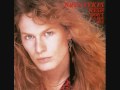
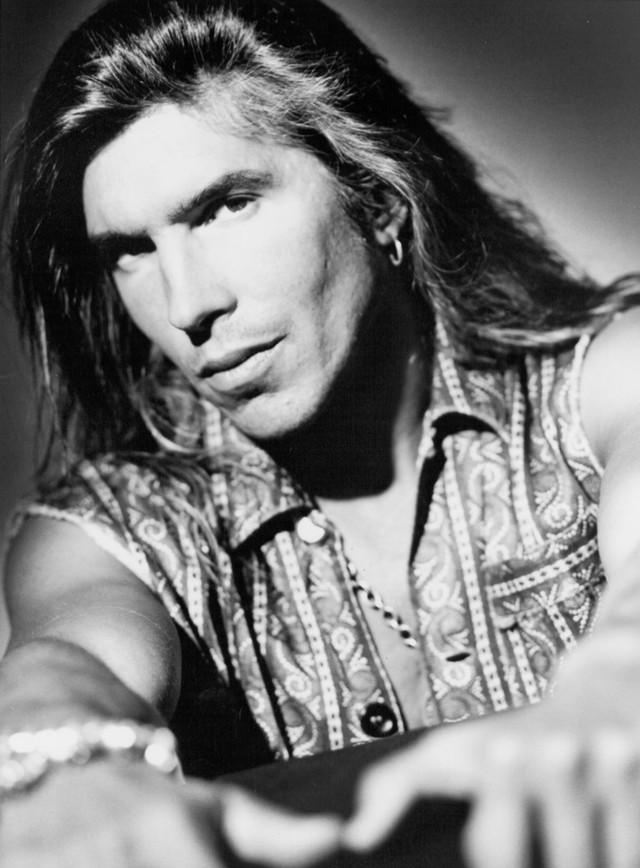
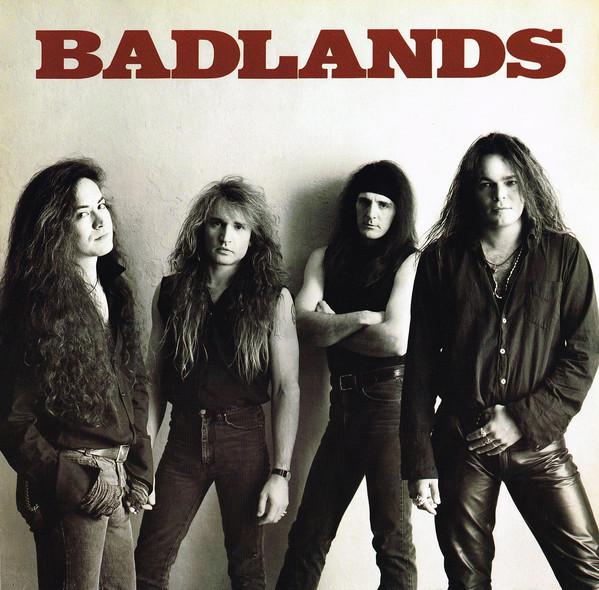
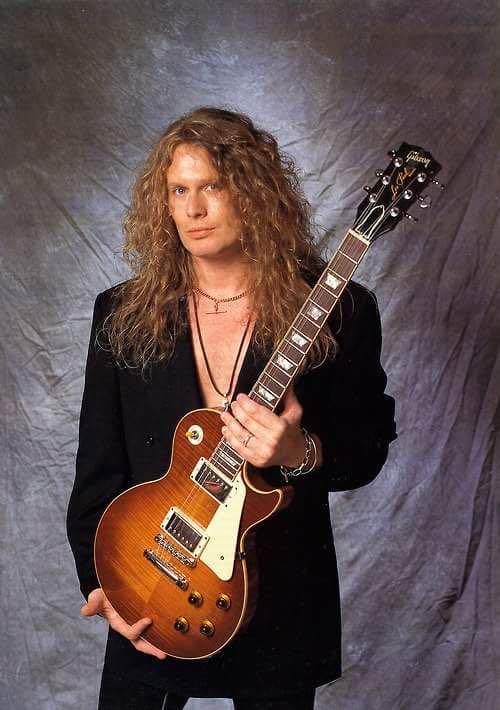
John Sykes’ Spotify BioBest known for his stints with hard rock outfits Thin Lizzy and Whitesnake, guitarist John Sykes was born July 29, 1959 in Reading, England. He began playing music at 14, and joined the group Streetfighter in 1980; a stint with Badlands followed before Sykes joined the Tygers of Pan Tang, issuing the LP Spellbound in 1981. After completing work on the album Crazy Nights, he left the Tygers to join Thin Lizzy in time for the group's final studio LP, 1983's Thunder and Lightning; the following year, Sykes joined Whitesnake, making his debut with the album Slide It In. Their 1987 self-titled LP was the band's commercial breakthrough, with Sykes teaming up with frontman David Coverdale to author the hit "Is This Love?" Soon after finishing the record, however, Coverdale dismissed the rest of the band, and Sykes returned to England to form his own group, Blue Murder, with drummer Carmine Appice and bassist Tony Franklin. Blue Murder released three albums between 1989 and 1994 before… dissolving. After touring with a reunited Thin Lizzy, Sykes issued the solo ballad collection Loveland in 1997. 20th Century, which appeared later that same year, was credited simply to Sykes, which comprised the trio the guitarist had formed with bassist Marco Mendoza and drummer Tommy O'Steen. The Chapter One compilation followed in 1998, and two years later, Sykes issued Out of My Tree. John Sykes died in January 2025, with his passing announced by his survivors on January 20. He was 65 years of age. ~ Jason Ankeny, Rovi
Viberate is a music analytics platform built for A&Rs, artist managers, labels, booking agents, marketers, and artists.
It helps music professionals track artist growth, analyze audience data, monitor playlist activity, compare artists, follow song performance, and identify opportunities across the music market.
Public artist pages provide a free preview of selected artist data. Paid plans provide access to deeper analytics, historical data, charts, comparisons, playlist tools, exports, alerts, reports, and additional professional features.
Yes. Public Viberate artist pages provide selected artist analytics and music data for free.
Viberate also offers a 7-day free trial of the full platform. A credit card is required to start the trial. The trial includes access to the complete product so users can test deeper artist analytics, historical views, playlist insights, comparisons, charts, exports, alerts, and reporting features before choosing a paid plan.
Viberate provides artist analytics across streaming, playlists, social media, video, radio airplay, songs, and audience markets.
Users can analyze Spotify performance, Spotify and Apple Music playlists, YouTube activity, TikTok and Instagram growth, radio spins, song performance, audience locations, demographics, rankings, and overall artist momentum.
Artist profiles also connect to music charts, similar artists, and comparison tools, helping users benchmark performance and evaluate artists in context.
Viberate updates key artist and track data daily.
For followed artists and tracks, selected data is refreshed multiple times per day. This helps teams monitor playlist changes, streaming movement, audience growth, releases, and campaign performance with more current data.
Update frequency can vary depending on the metric and data source.
Yes. Viberate lets users compare up to five artists side by side across streaming, social media, audience, and engagement metrics.
Users can compare fanbase growth, audience demographics, locations, Spotify performance, social metrics, and other artist data over selected time periods.
Artist comparison can be used for A&R scouting, benchmarking, booking decisions, campaign planning, and evaluating artists with similar audiences or market positions.