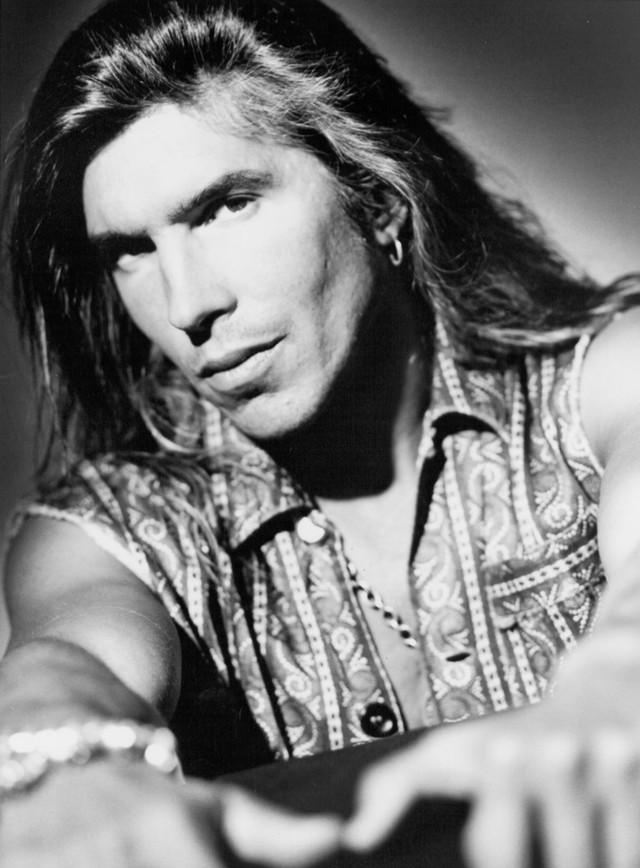
George Lynch

Rock
Hard Rock
Glam Metal
 Viberate Rank: 65770
 Viberate Rank: 65770
 Monthly ListenersFollowers
 Subscribers
 Followers
 Followers
 FansTop Spotify Songs
| Track | 7-Day Streams | |
|---|---|---|
1 | 7.13K | |
2 | 2.46K | |
3 | 2.23K | |
4 | 1.75K | |
5 | 1.48K |
Top YouTube Videos| Video | 7-Day Views | |
|---|---|---|
1 | 699 | |
2 | 682 | |
3 | 587 | |
4 | 475 | |
5 | 369 |
Monthly ListenersFeatured in Playlists| Playlist | Followers | |
|---|---|---|
1 | Dean’s playlist Queen Rhaenyra | 81.92K |
2 | Barney Stinson's Get Psyched Mix theonlybigrich | 44.00K |
3 | ssupper-naturall FiFiZappa | 28.63K |
4 |  Blues Guitar Instrumentals Robinson | 26.60K |
5 |  Metal Instrumentals Samidhya Sarker Torsho | 18.16K |
Audience| City | Monthly Listeners | |
|---|---|---|
1 |  | 467 |
2 |  | 337 |
3 |  | 271 |
4 | | 241 |
5 |  | 217 |
See full performance history, audience data, playlist activity, rankings, comparisons, and more in Viberate music analytics. Start with a free trial, then continue with a paid plan.
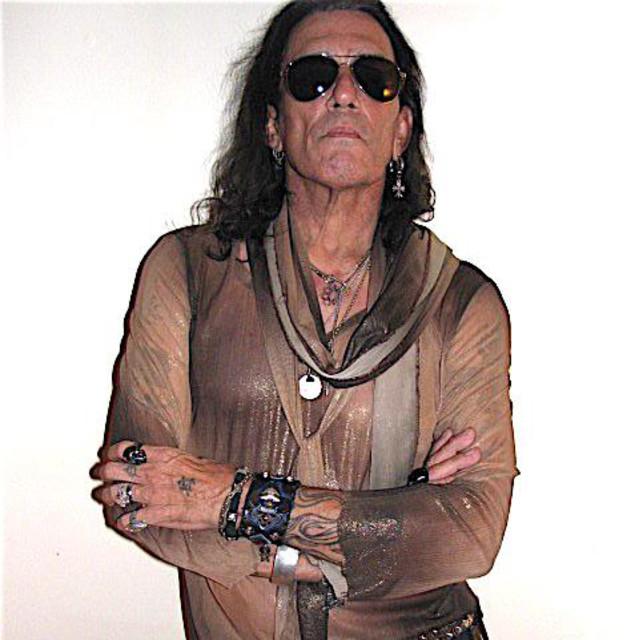
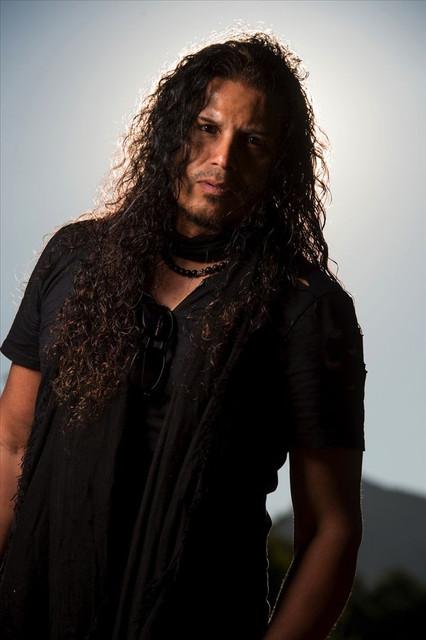
George Lynch’s Spotify BioOne of the most popular and influential guitarists to emerge from the 1980s heavy metal scene, George Lynch helped propel Dokken toward the top of the charts and later launched a solo career with the long-running Lynch Mob. With his arsenal of stylish guitars and virtuosic solos, Lynch has been at the fore of the hard rock scene for over four decades, releasing dozens of albums with each of his flagship groups while issuing a slew of collaborative and solo efforts, including the dynamic all-instrumental affairs Seamless (2021) and Guitars at the End of the World (2023).
Born in Spokane, Washington, on September 28, 1954, Lynch was raised in Sacramento, California where he took up the guitar as a teenager. Influenced by the likes of Jimi Hendrix, Leslie West, Jeff Beck, and Allan Holdsworth, Lynch played the L.A. club circuit throughout the '70s, including gigs with such forgotten acts as Sergeant Rocks, Xciter, and the Boyz. It was as a member of the latter band that Lynch met drummer… Mick Brown and singer Don Dokken, which led to the formation of Dokken by the early '80s. With a sound akin to a more melodic Van Halen (and their lyrics often dealing with the subject of heartbreak), Dokken issued their debut recording, Breaking the Chains, in 1982, first through the European label Carerre and then through Elektra after they signed the group and reissued the album in the U.S. Although Ratt bassist Juan Croucier played on the album, newcomer Jeff Pilson became a permanent member soon after.
Two back-to-back gold-certified albums followed, 1984's Tooth and Nail and 1985's Under Lock and Key, as Dokken became one of hard rock's most promising young bands. It was also during this time that Lynch began receiving recognition for his six-string skills. With Randy Rhoads deceased and Eddie Van Halen focusing more on songwriting than shredding, guitar slingers were looking for a new hero by the mid-'80s, and Lynch fit the bill, as he received countless accolades and appearances at the top of polls in guitar magazines. Lynch also became known for his interesting-looking instruments, especially one carved into the shape of a mangled skeleton (a long and fruitful relationship with the ESP guitar company also began around this time).
But with major breakthrough success beckoning, Dokken seemed to come apart at the seams. It was no secret that Lynch and Dokken never saw eye to eye, and their shaky relationship only worsened during the tour in support of 1987's platinum hit, Back for the Attack (an album which included the Lynch guitar showcase "Mr. Scary"). Even a slot on 1988's much-hyped Monsters of Rock U.S. tour (which also included Van Halen, the Scorpions, Metallica, etc.) couldn't save the sinking Dokken ship, as the group announced their split shortly after the tour's completion. After an obligatory live album, Beast from the East, was issued, Lynch opted to form a new outfit, the Lynch Mob.
Joining Lynch were singer Oni Logan, bassist Anthony Esposito, and former Dokken drummer Jones, who issued their debut album, Wicked Sensation, in 1990. While the album performed respectfully on the charts, the group's sound was almost a carbon copy of Dokken's and failed to break the group commercially. Throughout the early '90s, Lynch issued another release under the Lynch Mob name (1992's self-titled sophomore effort) and as a solo artist (1993's Sacred Groove), the latter of which Lynch originally planned on inviting such singers as Phil Anselmo and Chris Cornell to guest on, but wound up settling on Matthew and Gunnar Nelson, among others.
With both Lynch and Dokken's separate careers not what they once were, the singer and the guitarist settled their differences at the behest of their record company, as the Lynch-Dokken-Brown-Pilson lineup of Dokken reunited in 1994. An "unplugged" album followed a year later, One Live Night, but old habits were hard to break, as Dokken and Lynch butted heads once again trying to settle on a musical direction on such subsequent studio albums as 1995's Dysfunctional and 1997's Shadowlife. Both albums failed to return Dokken to the top of the charts, and Lynch left the group once more shortly thereafter.
The late '90s and early 21st century saw Lynch alternate between issuing albums with the Lynch Mob (with varying members) and as a solo artist, resulting in such further titles as Smoke This, Will Play for Food, Wicked Underground (the latter of which saw Lynch reunite with ex-Dokken bassist Pilson), Furious George, Scorpion Tales, and 2010's Orchestral Mayhem. In 2014, Lynch teamed up with Korn drummer Ray Luzier and King's X bassist/vocalist dUg Pinnick for the project KXM and release an eponymous debut. That same year marked the arrival of the Lynch Mob EP Sun Red Sun, and in 2015 he partnered with Stryper frontman Michael Sweet for Only the Rise, the debut studio outing from the aptly named Sweet & Lynch. Rebel, also released in 2015, marked Lynch Mob's seventh full-length outing. A busy 2017 found KXM issuing their sophomore long-player, Scatterbrain, and Lynch Mob unleashed album number eight, The Brotherhood while Sweet & Lynch let loose their second studio album, Unified. In 2019 Lynch formed the End Machine, a Dokken-heavy supergroup that also featured Jeff Pilson, Mick Brown, and vocalist Robert Mason; KXM issued their third album, Circle of Dolls, later that year. 2020 saw Lynch and Pilson release Heavy Hitters, a collection of covers that turned pop songs by the likes of One Direction, Duran Duran, and Prince into heavy metal anthems. The following year saw Lynch issue his first instrumental record, Seamless, which featured drummer Jimmy d’Anda and bassist Eric Loiselle. On his sophomore instrumental effort, 2023's driving and inventive Guitars at the End of the World, Lynch teamed up with drummer Curt Bisquera (Elton John, Mick Jagger) and bassist Tony Franklin (Jimmy Page, Kenny Wayne Shepherd).
In addition to releasing albums and touring, Lynch has been known to perform at guitar clinics and instrument expos (especially NAMM) and has developed his own signature guitar series with ESP and a high-nickel-content string through Dean Markley. ~ Greg Prato & James Christopher Monger, Rovi
Viberate is a music analytics platform built for A&Rs, artist managers, labels, booking agents, marketers, and artists.
It helps music professionals track artist growth, analyze audience data, monitor playlist activity, compare artists, follow song performance, and identify opportunities across the music market.
Public artist pages provide a free preview of selected artist data. Paid plans provide access to deeper analytics, historical data, charts, comparisons, playlist tools, exports, alerts, reports, and additional professional features.
Yes. Public Viberate artist pages provide selected artist analytics and music data for free.
Viberate also offers a 7-day free trial of the full platform. A credit card is required to start the trial. The trial includes access to the complete product so users can test deeper artist analytics, historical views, playlist insights, comparisons, charts, exports, alerts, and reporting features before choosing a paid plan.
Viberate provides artist analytics across streaming, playlists, social media, video, radio airplay, songs, and audience markets.
Users can analyze Spotify performance, Spotify and Apple Music playlists, YouTube activity, TikTok and Instagram growth, radio spins, song performance, audience locations, demographics, rankings, and overall artist momentum.
Artist profiles also connect to music charts, similar artists, and comparison tools, helping users benchmark performance and evaluate artists in context.
Viberate updates key artist and track data daily.
For followed artists and tracks, selected data is refreshed multiple times per day. This helps teams monitor playlist changes, streaming movement, audience growth, releases, and campaign performance with more current data.
Update frequency can vary depending on the metric and data source.
Yes. Viberate lets users compare up to five artists side by side across streaming, social media, audience, and engagement metrics.
Users can compare fanbase growth, audience demographics, locations, Spotify performance, social metrics, and other artist data over selected time periods.
Artist comparison can be used for A&R scouting, benchmarking, booking decisions, campaign planning, and evaluating artists with similar audiences or market positions.