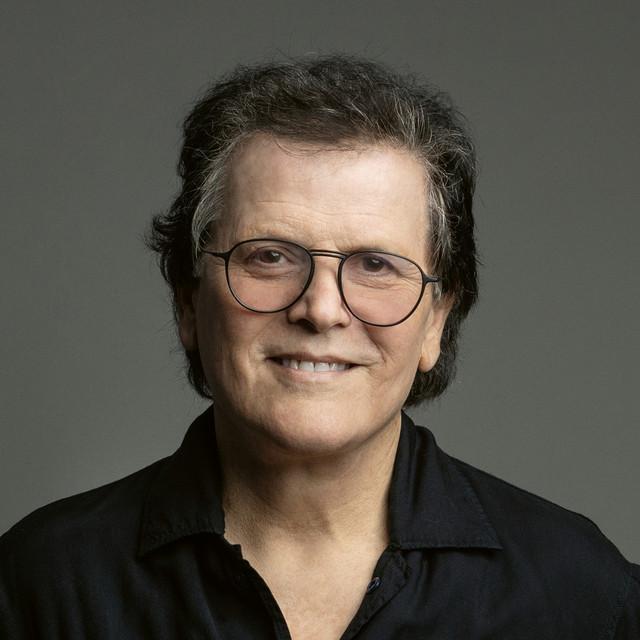
John Ottman

Classical
Orchestral
Classical Crossover
 Viberate Rank: 93581
 Viberate Rank: 93581
 Monthly ListenersFollowers
 Subscribers
 Followers
 Followers
 FansTop Spotify Songs
| Track | 7-Day Streams | |
|---|---|---|
1 | 23.61K | |
2 | 22.65K | |
3 | 12.31K | |
4 | 8.02K | |
5 | 7.91K |
Top YouTube Videos| Video | 7-Day Views | |
|---|---|---|
1 | 146 |
Monthly ListenersFeatured in Playlists| Playlist | Followers | |
|---|---|---|
1 |  BSO de peliculas, las mejores bandas sonoras Fernando Andujar | 131.78K |
2 |  Deadpool & Wolverine Soundtrack. X-MEN Movies Celebration. Sebastián Galaviz | 115.52K |
3 | Study with me - Ali Abdaal Ali Abdaal | 69.17K |
4 |  Mindfulness | Calm, light, relaxing background music Filtr Switzerland | 60.82K |
5 |  Best of Movie, TV & Game Soundtracks by GuiguiF Guillaume Flahaut | 53.67K |
Audience| City | Monthly Listeners | |
|---|---|---|
1 |  | 2.80K |
2 |  | 2.71K |
3 |  | 2.10K |
4 |  | 2.08K |
5 |  | 1.94K |
See full performance history, audience data, playlist activity, rankings, comparisons, and more in Viberate music analytics. Start with a free trial, then continue with a paid plan.
John Ottman’s Spotify BioComposer/editor/director and California native John Ottman's passion for music and film began at a young age in San Jose. Years spent making short films in his parents' garage eventually led the young auteur to USC, where he graduated from the university's prestigious School of Cinema-Television and met future collaborator Bryan Singer. With Singer, he would go on to compose the music for and edit films including The Usual Suspects, Apt Pupil, Superman Returns, and multiple entries in the X-Men franchise. Ottman's first feature film credit was 1993's Public Access, which was directed and executive produced by Singer. It was also the musician's first in the rare dual role of composer and editor. Though the score featured the ominous orchestral sound he would soon become known for, it was, according to Ottman (having a history of lighter fare in several film shorts), the darkest tone he had adopted to date. It was also synthesized on various electronic equipment.
The breakthrough for the… careers of both Ottman and Singer came two years later on the independent sleeper hit The Usual Suspects, which offered a full orchestra. Ottman quickly found work with other directors, composing music for Ben Stiller's The Cable Guy (1996), John Badham's Incognito (1997), and Steve Miner's Lake Placid (1999), just to name a few, before composing, editing, and directing the horror film Urban Legands: Final Cut (2000). Meanwhile, his collaborations with Singer continued, with their first X-Men collaboration coming on 2003's X2: X-Men United. Ottman went on to write scores for movies such as Gothika (2003), House of Wax (2005), and Fantastic Four (2005), establishing himself in the horror and action genres. Films like 2009's Orphan, 2011's The Resident, and the Liam Neeson vehicle Unknown, also from 2011, followed, as did Singer works including 2013's Jack the Giant Slayer, 2014's X-Men: Days of Future Past, and 2016's X-Men: Apocalypse. ~ James Christopher Monger & Marcy Donelson, Rovi
Viberate is a music analytics platform built for A&Rs, artist managers, labels, booking agents, marketers, and artists.
It helps music professionals track artist growth, analyze audience data, monitor playlist activity, compare artists, follow song performance, and identify opportunities across the music market.
Public artist pages provide a free preview of selected artist data. Paid plans provide access to deeper analytics, historical data, charts, comparisons, playlist tools, exports, alerts, reports, and additional professional features.
Yes. Public Viberate artist pages provide selected artist analytics and music data for free.
Viberate also offers a 7-day free trial of the full platform. A credit card is required to start the trial. The trial includes access to the complete product so users can test deeper artist analytics, historical views, playlist insights, comparisons, charts, exports, alerts, and reporting features before choosing a paid plan.
Viberate provides artist analytics across streaming, playlists, social media, video, radio airplay, songs, and audience markets.
Users can analyze Spotify performance, Spotify and Apple Music playlists, YouTube activity, TikTok and Instagram growth, radio spins, song performance, audience locations, demographics, rankings, and overall artist momentum.
Artist profiles also connect to music charts, similar artists, and comparison tools, helping users benchmark performance and evaluate artists in context.
Viberate updates key artist and track data daily.
For followed artists and tracks, selected data is refreshed multiple times per day. This helps teams monitor playlist changes, streaming movement, audience growth, releases, and campaign performance with more current data.
Update frequency can vary depending on the metric and data source.
Yes. Viberate lets users compare up to five artists side by side across streaming, social media, audience, and engagement metrics.
Users can compare fanbase growth, audience demographics, locations, Spotify performance, social metrics, and other artist data over selected time periods.
Artist comparison can be used for A&R scouting, benchmarking, booking decisions, campaign planning, and evaluating artists with similar audiences or market positions.