Alan Silvestri

Classical
Orchestral
Classical Crossover
 Viberate Rank: 10826
 Viberate Rank: 10826
 Monthly ListenersFollowers
 Subscribers
 Followers
 Followers
 FansTop Spotify Songs
| Track | 7-Day Streams | |
|---|---|---|
1 | 295.69K | |
2 | 250.16K | |
3 | 208.20K | |
4 | 156.75K | |
5 | 130.05K |
Top YouTube Videos| Video | 7-Day Views | |
|---|---|---|
1 | 101.48K | |
2 | 16.88K | |
3 | 11.56K | |
4 | 11.50K | |
5 | 10.77K |
Monthly ListenersFeatured in Playlists| Playlist | Followers | |
|---|---|---|
1 |  Iconic Soundtracks Spotify | 1.37M |
2 |  Atmospheric Sci-fi Soundtracks Spotify | 760.64K |
3 |  Feel Good Soundtracks Spotify | 247.44K |
4 |  Movie Soundtracks & Cinematic Music (Classical & Instrumental) Tobias Schneider | 217.42K |
5 |  Marvel Music Spotify | 205.05K |
Audience| City | Monthly Listeners | |
|---|---|---|
1 |  | 33.65K |
2 |  | 23.35K |
3 | | 21.81K |
4 |  | 21.70K |
5 | | 20.07K |
See full performance history, audience data, playlist activity, rankings, comparisons, and more in Viberate music analytics. Start with a free trial, then continue with a paid plan.
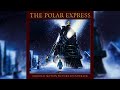
Alan Silvestri’s Spotify BioAcademy Award-nominated American film composer Alan Silvestri is perhaps best known for his early work with director Robert Zemeckis. They followed their first collaboration, 1984's Romancing the Stone, with many more blockbuster classics, including Forrest Gump (1994) and The Polar Express (2004). The latter earned Silvestri an Oscar nomination for Best Original Song for "Believe." His other high-profile works include multiple entries in Marvel's The Avengers franchise, including Captain America: The First Avenger (2011), and directors Anthony and Joe Russo's Avengers: Infinity War (2018) and Avengers: Endgame (2019). He has remained a close collaborator with Zemeckis, scoring the director's 2022 remake of Disney's Pinocchio and 2024's Here. He also re-teamed with the Russo brothers for their 2025 non-Marvel sci-fi project The Electric State.
Silvestri took to multiple instruments while growing up in Teaneck, New Jersey, and was already considering a career in music by the age of 15.… He attended the Berklee College of Music in Boston for guitar, but after two years, the head of the department learned of an opening playing with Wayne Cochran & the C.C. Riders and recommended Silvestri. Silvestri accepted the position but soon found that life on the road wasn't for him. After an arranging job fell through, he ended up stranded in Los Angeles. He got his first break into film while still in his early twenties, when he met Oscar-nominated lyricist Bradford Craig. Through Craig, he got a job scoring the small film The Doberman Gang (1972). That led to composing for other low-budget movies before he found steady work in 1977 scoring the television series ChiPs. After the show was canceled, Silvestri's career hit a dry period that ended when he teamed up with Zemeckis on a film that proved to be a big break for all involved: Romancing the Stone (1984).
In the years to follow, Silvestri and Zemeckis worked together on many hit films, including Back to the Future (1985), Who Framed Roger Rabbit? (1988), and Best Picture winner Forrest Gump (1994). In the meantime, Silvestri's other scoring assignments included films such as Predator (1987), The Abyss (1989), The Bodyguard (1992), and The Quick and the Dead (1995). The year 1995 also saw the release of the audio compilation Voyages: The Film Music Journeys of Alan Silvestri, released by Varèse Sarabande. He remained an in-demand screen composer, working on films such as Zemeckis' Cast Away (2000) and Disney's Lilo & Stitch (2002) before earning an Oscar nomination and a Grammy win for the song "Believe" from The Polar Express (2004), a song he co-wrote with Glen Ballard.
Silvestri reunited with Zemeckis for 2007's Beowulf, and he scored his first film for Marvel Studios, Captain America: The First Avenger, in 2011. He returned for The Avengers the following year. Other highlights of his 2010's career include Emmys for his work on the TV series Cosmos: A Spacetime Odyssey (2014) and more Zemeckis collaborations: a biopic about high-wire artist Philippe Petite titled The Walk (2015) and the Brad Pitt thriller Allied (2016). His scores for Robert Zemeckis' Welcome to Marwen, Steven Spielberg's Ready Player One, and Marvel's Avengers: Infinity War saw release in 2018. Avengers: Endgame, which arrived in 2019, earned Silvestri a Best Score Soundtrack for Visual Media nomination at the 2020 Grammy Awards. Next up for the composer were Roald Dahl's The Witches and a live-action musical version Pinocchio, both with Zemeckis. Silvestri partnered again with Ballard on the remake's four original songs. Another Zemeckis project arrived with the 2024 family drama Here. He then reunited with Marvel directors Anthony and Joe Russo for their 2025 sci-fi actioner The Electric State. ~ Marcy Donelson & Joslyn Layne, Rovi
Viberate is a music analytics platform built for A&Rs, artist managers, labels, booking agents, marketers, and artists.
It helps music professionals track artist growth, analyze audience data, monitor playlist activity, compare artists, follow song performance, and identify opportunities across the music market.
Public artist pages provide a free preview of selected artist data. Paid plans provide access to deeper analytics, historical data, charts, comparisons, playlist tools, exports, alerts, reports, and additional professional features.
Yes. Public Viberate artist pages provide selected artist analytics and music data for free.
Viberate also offers a 7-day free trial of the full platform. A credit card is required to start the trial. The trial includes access to the complete product so users can test deeper artist analytics, historical views, playlist insights, comparisons, charts, exports, alerts, and reporting features before choosing a paid plan.
Viberate provides artist analytics across streaming, playlists, social media, video, radio airplay, songs, and audience markets.
Users can analyze Spotify performance, Spotify and Apple Music playlists, YouTube activity, TikTok and Instagram growth, radio spins, song performance, audience locations, demographics, rankings, and overall artist momentum.
Artist profiles also connect to music charts, similar artists, and comparison tools, helping users benchmark performance and evaluate artists in context.
Viberate updates key artist and track data daily.
For followed artists and tracks, selected data is refreshed multiple times per day. This helps teams monitor playlist changes, streaming movement, audience growth, releases, and campaign performance with more current data.
Update frequency can vary depending on the metric and data source.
Yes. Viberate lets users compare up to five artists side by side across streaming, social media, audience, and engagement metrics.
Users can compare fanbase growth, audience demographics, locations, Spotify performance, social metrics, and other artist data over selected time periods.
Artist comparison can be used for A&R scouting, benchmarking, booking decisions, campaign planning, and evaluating artists with similar audiences or market positions.