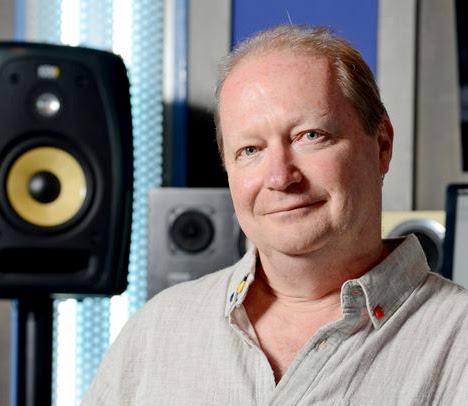
John Lunn

Classical
Orchestral
Classical Crossover
 Viberate Rank: 95538
 Viberate Rank: 95538
 Monthly ListenersFollowers
 Subscribers
 Followers
 Followers
 FansTop Spotify Songs
| Track | 7-Day Streams | |
|---|---|---|
1 | 31.62K | |
2 | 24.07K | |
3 | 16.95K | |
4 | 14.37K | |
5 | 14.26K |
Top YouTube VideosMonthly ListenersFeatured in Playlists| Playlist | Followers | |
|---|---|---|
1 |  Reading Adventure Spotify | 431.31K |
2 |  New Soundtracks Spotify | 335.07K |
3 |  Nordic & Viking Music RobNO | 214.61K |
4 |  Nordic Sisterhood Christi Kruger | 99.87K |
5 |  VIKING WAR MUSIC Eradiel.exe | 69.88K |
Audience| City | Monthly Listeners | |
|---|---|---|
1 | | 5.19K |
2 |  | 2.76K |
3 |  | 2.35K |
4 |  | 2.19K |
5 | | 2.06K |
See full performance history, audience data, playlist activity, rankings, comparisons, and more in Viberate music analytics. Start with a free trial, then continue with a paid plan.
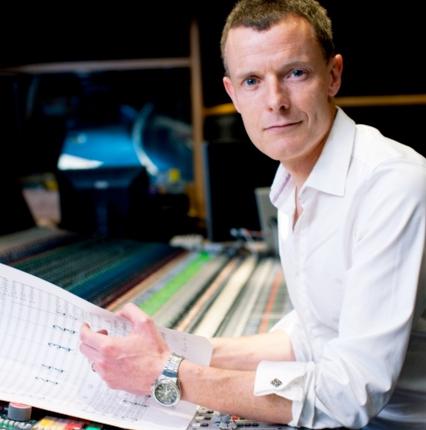
John Lunn’s Spotify BioAn Emmy-winning composer best known for his scores for British television, John Lunn's graceful music for chamber orchestra often alternates between urgent, sweeping, and longing. He composed the scores for such critically acclaimed series as Hamish Macbeth (1995-1997) and Bleak House (2005) before he reached a broader audience with the success of Downton Abbey (2010-2015). After acting as sole composer of the BBC series during its six-season run, he returned to score the 2019 film sequel.
A native of Glasgow, Scotland, Lunn was a member of '80s jazz-pop-worldbeat fusion ensemble Man Jumping before he branched into scoring in the later part of the decade. The dramas Beatrix: The Early Life of Beatrix Potter (1990) and The Gift (1991) were among his earliest work for BBC Scotland. His other work throughout the decade traversed the crime-comedy series Hamish Macbeth, the Jude Law vampire film Immortality, and the coming-of-age feature Get Real. Outside of his work in television and film,… his first opera, Misper, premiered at the Glyndebourne Festival in 1997.
In 2000, the BBC-PBS co-production Madame Bovary featured Lunn's music, as did the legal drama North Square, and another opera, Zoe, saw its festival premiere. A steady stream of TV movies and limited series followed over the next several years (Second Sight, Murder Rooms, Bleak House). His work on the 2008 series Little Dorrit was recognized with both BAFTA and Emmy nominations.
Lunn soon received his second and third BAFTA nominations for the 2010 miniseries Going Postal and for the first season of the hit period drama Downton Abbey. He won his first Emmy Award for the sixth episode of the series. Another Emmy statue followed for an episode from 2012's third season of the show. After a third nomination for Downton Abbey, he earned his fifth Emmy nomination for 2013's The White Queen. Lunn's other work that year included a TV adaptation of The Lady Vanishes, the BBC biopic Burton and Taylor, and the first of multi-season police procedural Shetland. Downton Abbey returned to the air annually with Lunn as composer through its sixth and final season in 2015. The show's soundtracks were collected on Downton Abbey: The Ultimate Collection, released by Decca/London in 2015.
In the meantime, Lunn began a run on the hit detective series Grantchester, and he collaborated with Faroese singer/songwriter Eivør on music for The Last Kingdom (2015-2018), a TV series based on The Saxon Stories by novelist Bernard Cornwell. The music from that show's three-season run was collected on a 2018 soundtrack release by Sony Classical. Lunn reunited with the Downton crew for the 2019 film Downton Abbey, which was accompanied by a soundtrack release by Decca. ~ Marcy Donelson, Rovi
Viberate is a music analytics platform built for A&Rs, artist managers, labels, booking agents, marketers, and artists.
It helps music professionals track artist growth, analyze audience data, monitor playlist activity, compare artists, follow song performance, and identify opportunities across the music market.
Public artist pages provide a free preview of selected artist data. Paid plans provide access to deeper analytics, historical data, charts, comparisons, playlist tools, exports, alerts, reports, and additional professional features.
Yes. Public Viberate artist pages provide selected artist analytics and music data for free.
Viberate also offers a 7-day free trial of the full platform. A credit card is required to start the trial. The trial includes access to the complete product so users can test deeper artist analytics, historical views, playlist insights, comparisons, charts, exports, alerts, and reporting features before choosing a paid plan.
Viberate provides artist analytics across streaming, playlists, social media, video, radio airplay, songs, and audience markets.
Users can analyze Spotify performance, Spotify and Apple Music playlists, YouTube activity, TikTok and Instagram growth, radio spins, song performance, audience locations, demographics, rankings, and overall artist momentum.
Artist profiles also connect to music charts, similar artists, and comparison tools, helping users benchmark performance and evaluate artists in context.
Viberate updates key artist and track data daily.
For followed artists and tracks, selected data is refreshed multiple times per day. This helps teams monitor playlist changes, streaming movement, audience growth, releases, and campaign performance with more current data.
Update frequency can vary depending on the metric and data source.
Yes. Viberate lets users compare up to five artists side by side across streaming, social media, audience, and engagement metrics.
Users can compare fanbase growth, audience demographics, locations, Spotify performance, social metrics, and other artist data over selected time periods.
Artist comparison can be used for A&R scouting, benchmarking, booking decisions, campaign planning, and evaluating artists with similar audiences or market positions.