John Long

Country
Americana/Alt Country
Country Blues
 Viberate Rank: 883411
 Viberate Rank: 883411
 Monthly ListenersFollowers
 Subscribers
 Followers
 Followers
 FansTop Spotify SongsTop YouTube VideosMonthly ListenersFeatured in Playlists
| Playlist | Followers | |
|---|---|---|
1 |  The Sound of Acoustic Blues The Sounds of Spotify | 1.64K |
Audience| City | Monthly Listeners | |
|---|---|---|
1 | | 3 |
See full performance history, audience data, playlist activity, rankings, comparisons, and more in Viberate music analytics. Start with a free trial, then continue with a paid plan.
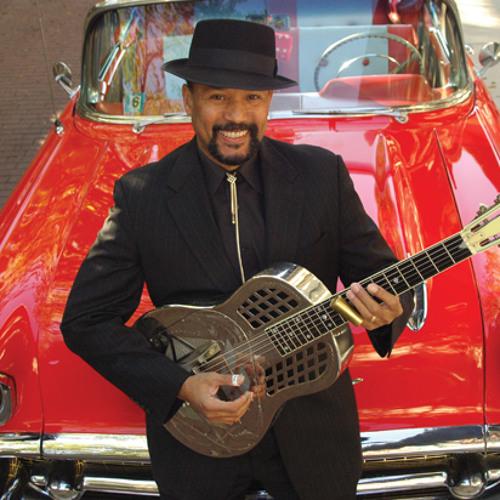
John Long’s Spotify BioJohn Long's uncanny ability to sound like a prewar country blues player -- even as he plays original blues pieces he wrote himself or with his older brother Claude Long -- makes his music sound both like a facsimile of the 1920s and early-'30s blues 78s he so treasures while somehow simultaneously sounding refreshingly modern, maybe because nobody plays this kind of throwback blues anymore, at least not with the care and precision that Long brings to it. Long was born in St. Louis, Missouri, in 1950, and grew up listening to his mother's jazz and R&B 78s, and the scratchy sturdiness of the old discs filtered directly into his musical DNA. Before he was even a teen, Long was already trying to figure out how to play country blues songs on guitar. Along with his brother Claude (who also played guitar), he formed the Mystics in the early '60s to play contemporary rock & roll and R&B material, but both brothers were drawn increasingly to the old blues sound, and Long soon realized he had… discovered his artistic home in the music of the prewar acoustic blues era. He moved to Chicago in the early '70s, where he was mentored by Homesick James Williamson and began playing local gigs. After seeing Long perform during this time period, none other than Muddy Waters proclaimed Long to be "the best young country blues artist playing today." Outside of a couple session appearances and some homemade demo tapes (Long on Blues was released as an independent cassette album in 1999), Long did no recording, however. That changed when a demo tape of Long's found its way to Randy Chortkoff, head of Delta Groove Records. Chortkoff was struck by the power of Long's version of the old country blues, and signed him to the label. A full-length CD, Lost & Found, appeared from Delta Groove in 2006. It took Long a full decade to deliver his next album, Stand Your Ground, which appeared on Delta Groove in 2016. ~ Steve Leggett, Rovi
Viberate is a music analytics platform built for A&Rs, artist managers, labels, booking agents, marketers, and artists.
It helps music professionals track artist growth, analyze audience data, monitor playlist activity, compare artists, follow song performance, and identify opportunities across the music market.
Public artist pages provide a free preview of selected artist data. Paid plans provide access to deeper analytics, historical data, charts, comparisons, playlist tools, exports, alerts, reports, and additional professional features.
Yes. Public Viberate artist pages provide selected artist analytics and music data for free.
Viberate also offers a 7-day free trial of the full platform. A credit card is required to start the trial. The trial includes access to the complete product so users can test deeper artist analytics, historical views, playlist insights, comparisons, charts, exports, alerts, and reporting features before choosing a paid plan.
Viberate provides artist analytics across streaming, playlists, social media, video, radio airplay, songs, and audience markets.
Users can analyze Spotify performance, Spotify and Apple Music playlists, YouTube activity, TikTok and Instagram growth, radio spins, song performance, audience locations, demographics, rankings, and overall artist momentum.
Artist profiles also connect to music charts, similar artists, and comparison tools, helping users benchmark performance and evaluate artists in context.
Viberate updates key artist and track data daily.
For followed artists and tracks, selected data is refreshed multiple times per day. This helps teams monitor playlist changes, streaming movement, audience growth, releases, and campaign performance with more current data.
Update frequency can vary depending on the metric and data source.
Yes. Viberate lets users compare up to five artists side by side across streaming, social media, audience, and engagement metrics.
Users can compare fanbase growth, audience demographics, locations, Spotify performance, social metrics, and other artist data over selected time periods.
Artist comparison can be used for A&R scouting, benchmarking, booking decisions, campaign planning, and evaluating artists with similar audiences or market positions.