Gerry Hundt

Blues
Blues Rock
Contemporary Blues
 Viberate Rank: 542079
 Viberate Rank: 542079
 Monthly ListenersFollowers
 Subscribers
 Followers
 Followers
 FansTop Spotify Songs
| Track | 7-Day Streams | |
|---|---|---|
1 | 7 | |
2 | 5 | |
3 | 4 | |
4 | 4 | |
5 | 3 |
Top YouTube VideosMonthly ListenersFeatured in Playlists| Playlist | Followers | |
|---|---|---|
1 |  Slow Blues & Blues Rock | Don's Tunes Don's Tunes | 19.74K |
Audience| City | Monthly Listeners | |
|---|---|---|
1 | | 11 |
2 | | 4 |
See full performance history, audience data, playlist activity, rankings, comparisons, and more in Viberate music analytics. Start with a free trial, then continue with a paid plan.
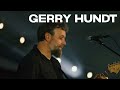
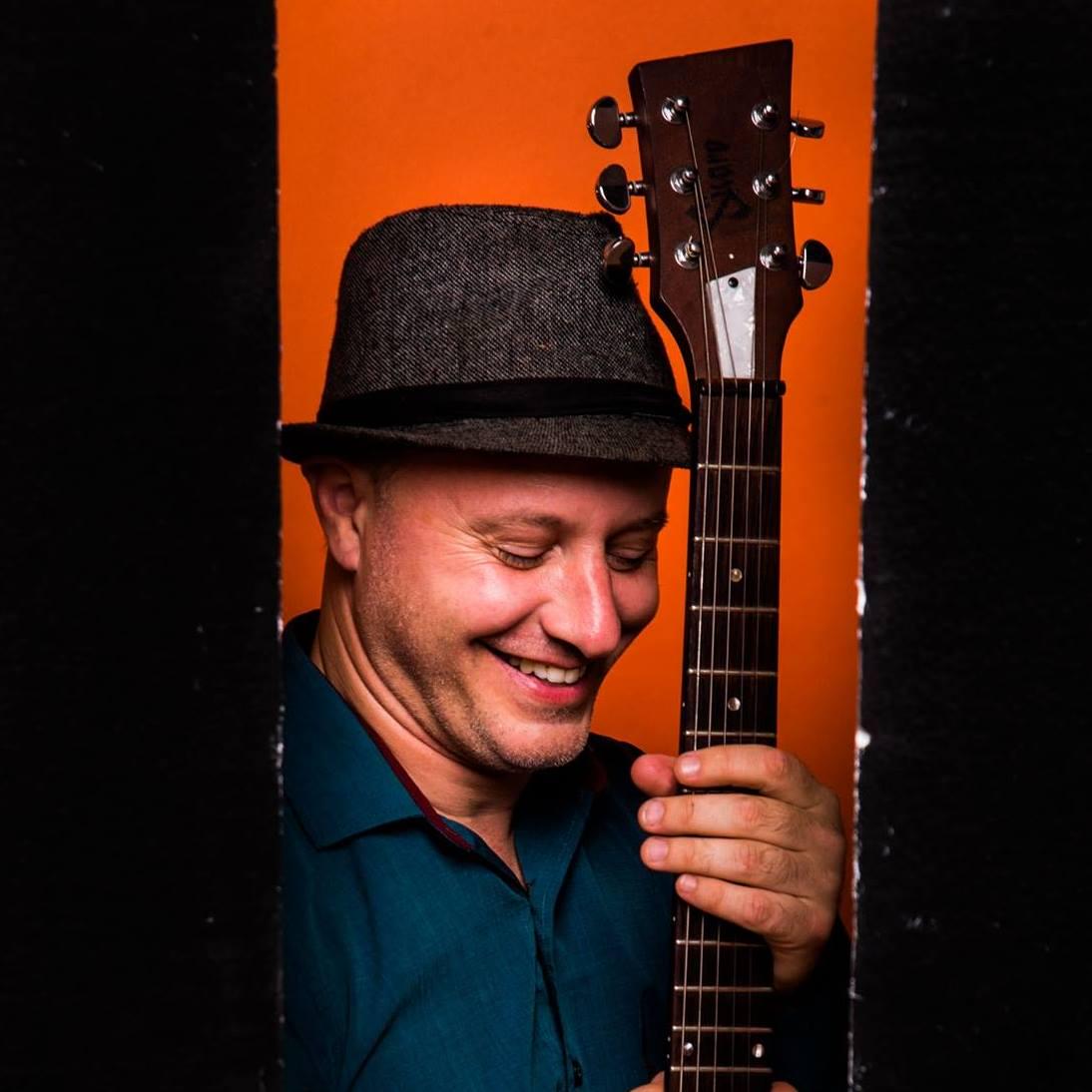
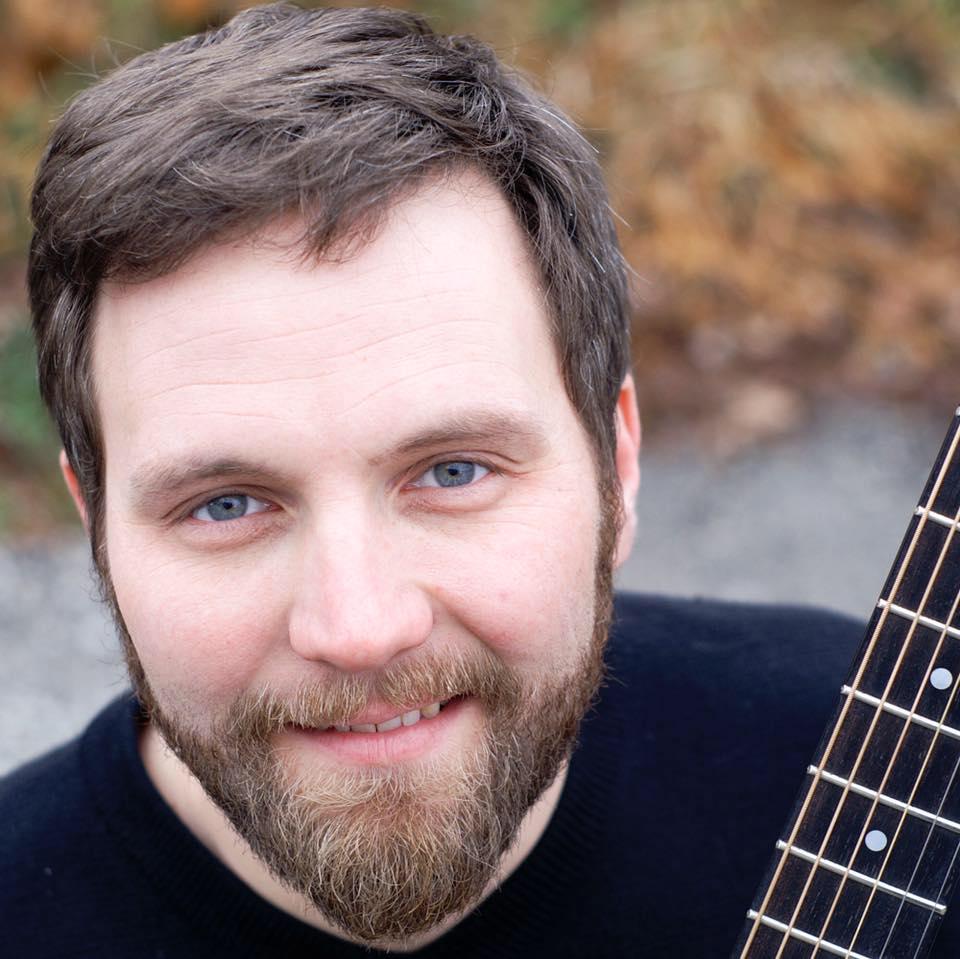
Gerry Hundt’s Spotify BioGerry Hundt is a blues player adept on guitar, bass, harmonica, and electric and acoustic mandolin. He lives and works in Chicago and since 2004 has been a utility player with Nick Moss & the Flip Tops. He records for the Blue Bella label, a logo that's kept busy documenting the blues revival of the early 21st century. He's played on many Blue Bella releases, and also has credits as a producer and engineer on some sessions. In 2007 he released his debut as a bandleader, Since Way Back, a record that Hundt hopes will revitalize the mandolin blues tradition -- carrying the flame that Yank Rachell, Johnny Young, and Carl Martin ignited years ago -- for a new generation. Since Way Back also shows that Hundt is an impressive vocal stylist, by turns rowdy, good-natured, and soulful.
Hundt was born in Appleton, WI, on May 29, 1977, but his family moved to Rockford, IL, when he was three. He had a happy middle-class childhood and his parents recall his fondness for Sesame Street, a program that… included lots of jazz and roots music; Sha Na Na; and the soundtrack to The Jungle Book. A nursery-school teacher told his mother, "Gerry has a great love for music and dancing...He has many friends who look forward to seeing him." He began making up songs at an early age, but avoided the piano lessons his sister was saddled with. He tried alto saxophone in fifth grade and didn't like it, but hearing Jimi Hendrix's "The Wind Cries Mary" in seventh grade was a turning point. He collected everything Hendrix in high school and got the blues bug when his friend Myke Weiskopf, who is now an electronic music artist in L.A., gave him a compilation called Story of the Blues. The album traced the development of the blues from the Fra-Fra Tribesmen all the way up to Elmore James. Bukka White's "Parchman Farm," Leroy Carr's "Midnight Hour," and Big Joe Williams' "Wild Cow Moan" were imbedded in his young brain. The last tune is significant because it was probably the first time he heard Yank Rachell on blues mandolin, although he didn't realize it at the time.
At Middlebury College in Vermont, Hundt studied the classics -- Latin and ancient Greek -- and earned a B.A. cum laude in 1999. He started playing harp in college when was sidelined with a sports injury in the fall of 1993. He bought the first album he saw with a harmonica on the cover, Buddy Guy & Junior Wells: Alone & Acoustic, and intuitively took to the instrument. He also started guitar lessons from Paul Asbell, a player with an incredible blues résumé, having played and recorded with Earl Hooker, Muddy Waters, Lightnin' Hopkins, and many others. He learned jazz theory and finger-style guitar from him. During school breaks, back home in Rockford, Hundt played harmonica with the Fellartones, covering everyone from Fenton Robinson to Phish and War. There was a lot of Hendrix in his phrasing, which also moved him closer to the blues. He also hung out at Glenn Davis' Silver Moon club in Wisconsin, where he played at jam sessions once or twice a week. Davis' showmanship, stage presence, and guitar style impressed him for their blend of traditional and modern elements. Hundt says he has a lot of Davis in his guitar playing.
After graduation, his uncle got him a job for a construction company in Golden, CO, where he met the ClamDaddys at an open-mike night. They invited him to play bass on a weeklong tour of Idaho. "Mo Walker from the ClamDaddys has a great history of training guitar players to play bass," Hundt recalled in a 2007 interview. "Simply throw the baby in the water. The ClamDaddy repertoire is diverse, full of really fast tunes that have ragtime chord progressions -- lots of chords -- and arrangements that change in the middle of the song and from night to night. If you can hang with the Daddys on bass...." Hundt began thinking about making music as a living and moved to N.Y.C. to work as a stagehand at MTV, VH1, and various other venues. He played garage rock once or twice a month with the Push Ponys and recorded on indie rock projects with Quinn Raymond and Ben Gitenstein. John-Alex Mason, a college buddy, was playing blues for a living in Vail and asked Hundt to come out and play harmonica for a week's worth of Delta blues shows in March of 2001. They did another week in July, instigating Hundt's move to Colorado to play at the Telluride Blues Festival with Mason on September 14, 2001.
Hundt moved between Colorado and his parents' home in Illinois for several years. In October of 2003 he was hosting a jam at the Lakewood Grill when he met Nick Moss, who was looking for a Saturday night gig for the Flip Tops. Hundt offered Moss a gig, and played with the band when they came back to town. When Moss' wife Kate, who was the Flip Tops' bass player, got pregnant, Hundt offered his services. Moss brought him on as a fifth piece, playing guitar and harp. In April of 2004, Hundt joined the Flip Tops full-time and moved to Chicago, where he still resides. Hundt fit right in with the Flip Tops, relentlessly touring and recording with the band. He also plays an important player at Blue Bella Records, the label Moss started to document the Chicago blues revival of the early 21st century. He's recorded with Moss, Bill Lupkin, and the Kilborn Alley Blues Band, and produces and engineers recordings as well. In 2007 he released his first record as a leader, Since Way Back, featuring his own singing and blues mandolin playing. The album won Hundt a nomination for a 2008 Blues Music Award for Best Instrumentalist -- Other (Mandolin).
Hundt had only been playing mandolin for a few years when he cut Since Way Back, which was done live in the studio with minimal overdubs. Several tunes, including "The Lakewood Bump," were improvised in the studio. Reviews for the album have been stellar, with one critic saying, "Hundt's phrasing is reminiscent of piano greats like Otis Spann or Johnnie Johnson." Hundt expressed his appreciation for the accolade in 2007: "I was thrilled that someone took the time to listen and really think about (the record)....Some of my favoriteJohnny Young recordings are just Otis Spann and him. They were having a musical conversation, and it seeped into my playing. There are a lot of two- and three-note 'rolls/trills' that I play. You can play them on the piano exactly like you can play them on the mandolin. I've been learning piano recently, so it was fun to figure those out. I have such reverence for Chicago blues piano, so this was one of the greatest compliments to me, if not the greatest."
"One thing I love about blues mandolin is that there isn't a huge repertoire," Hundt continued. "There's a lot of room for expansion of its vocabulary. When I play, I really feel like I'm reaching into an untapped well of blues expression. My feeling for the mandolin is similar to my feeling for harmonica; I feel very close to the instrument and there isn't a whole lot of thought that goes on while I'm playing. It could have something to do with tuning; blues harmonica and mandolin deal with intervals of three and a half tones (fifths), rather than two and a half tones (fourths) in guitar and bass. You can mindlessly strum or play a mando or harp and the notes still fit in better than with a guitar. Something I heard from Paul Asbell really speaks to this; he told me that all those blues guys, B.B. or whoever, they're playing intervals, not scales." ~ j. poet
Viberate is a music analytics platform built for A&Rs, artist managers, labels, booking agents, marketers, and artists.
It helps music professionals track artist growth, analyze audience data, monitor playlist activity, compare artists, follow song performance, and identify opportunities across the music market.
Public artist pages provide a free preview of selected artist data. Paid plans provide access to deeper analytics, historical data, charts, comparisons, playlist tools, exports, alerts, reports, and additional professional features.
Yes. Public Viberate artist pages provide selected artist analytics and music data for free.
Viberate also offers a 7-day free trial of the full platform. A credit card is required to start the trial. The trial includes access to the complete product so users can test deeper artist analytics, historical views, playlist insights, comparisons, charts, exports, alerts, and reporting features before choosing a paid plan.
Viberate provides artist analytics across streaming, playlists, social media, video, radio airplay, songs, and audience markets.
Users can analyze Spotify performance, Spotify and Apple Music playlists, YouTube activity, TikTok and Instagram growth, radio spins, song performance, audience locations, demographics, rankings, and overall artist momentum.
Artist profiles also connect to music charts, similar artists, and comparison tools, helping users benchmark performance and evaluate artists in context.
Viberate updates key artist and track data daily.
For followed artists and tracks, selected data is refreshed multiple times per day. This helps teams monitor playlist changes, streaming movement, audience growth, releases, and campaign performance with more current data.
Update frequency can vary depending on the metric and data source.
Yes. Viberate lets users compare up to five artists side by side across streaming, social media, audience, and engagement metrics.
Users can compare fanbase growth, audience demographics, locations, Spotify performance, social metrics, and other artist data over selected time periods.
Artist comparison can be used for A&R scouting, benchmarking, booking decisions, campaign planning, and evaluating artists with similar audiences or market positions.