John Ireland

Classical
Orchestral
 Viberate Rank: 243485
 Viberate Rank: 243485
 Monthly ListenersFollowers
 Subscribers
 Followers
 Followers
 FansTop Spotify Songs
| Track | 7-Day Streams | |
|---|---|---|
1 | 5.06K | |
2 | 1.59K | |
3 | 1.03K | |
4 | 902 | |
5 | 701 |
Top YouTube VideosMonthly ListenersFeatured in Playlists| Playlist | Followers | |
|---|---|---|
1 |  Choir Classics Spotify | 301.95K |
2 |  Classical Wedding Spotify | 189.84K |
3 |  Calming Carols Spotify | 30.62K |
4 |  Traditional Church Hymns Ethan West | 29.14K |
5 | 20s, 30s, 40s, 50s Alexandra Tashman | 20.00K |
Audience| City | Monthly Listeners | |
|---|---|---|
1 | | 1.34K |
2 |  | 432 |
3 |  | 421 |
4 | | 411 |
5 |  | 301 |
See full performance history, audience data, playlist activity, rankings, comparisons, and more in Viberate music analytics. Start with a free trial, then continue with a paid plan.
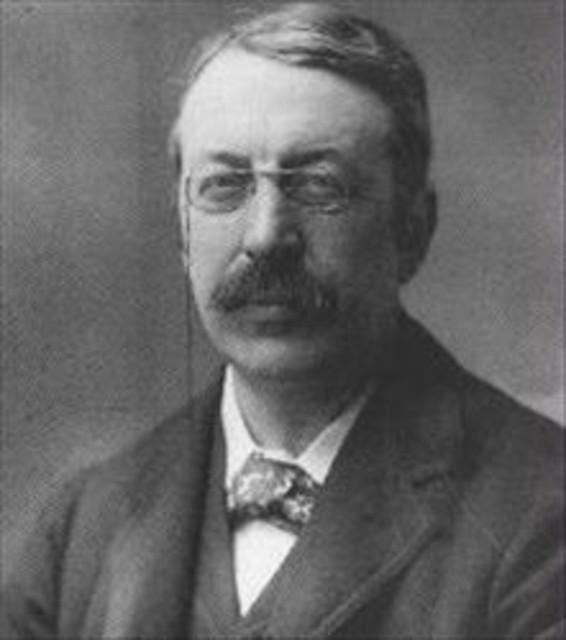
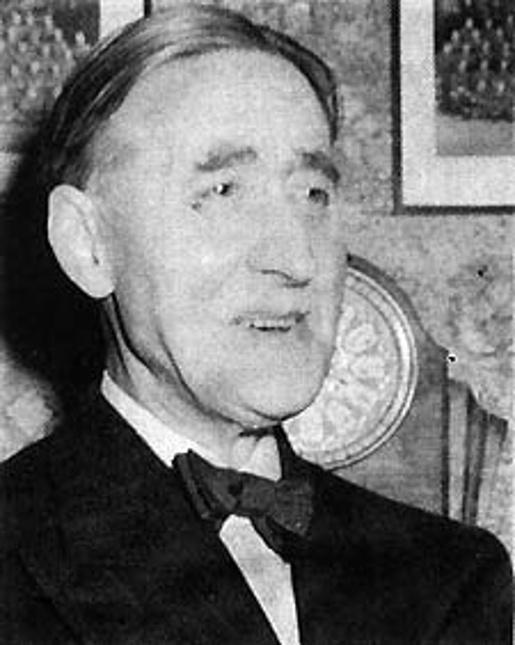
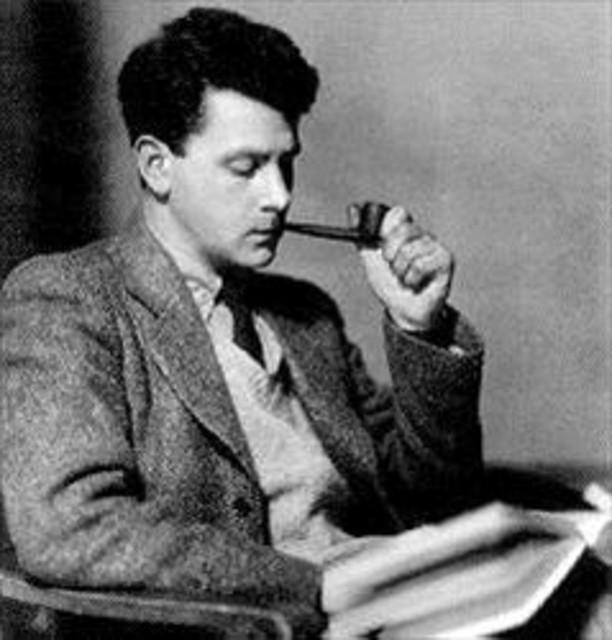
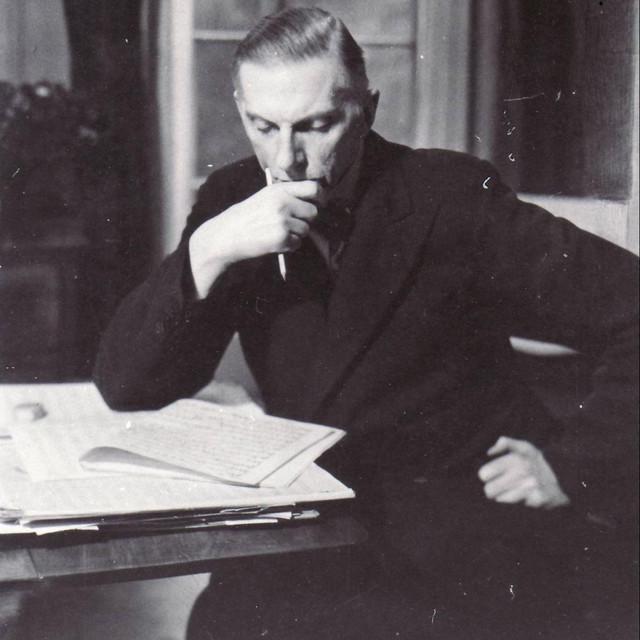
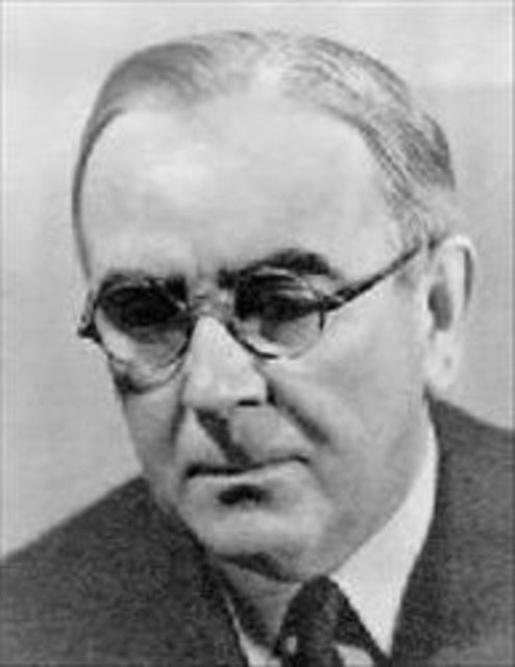
John Ireland’s Spotify BioJohn Ireland was a conservative British composer whose music developed from a style that looked backward and forward toward Beethoven, Brahms, and other Classical and Romantic influences towards a post-Romantic manner, rich in lyricism, but having absorbed Impressionist and Neo-Classical elements. He is best known for his chamber music, solo piano compositions, and his songs. Yet, even in these genres, he was not consistent. In the orchestral realm he composed relatively few works, though several were of high quality, including the Piano Concerto in E flat and A London Overture. Ireland wrote not a single symphony or opera, and produced a single cantata, These Things Shall Be, a work which he came to dislike. In the end, Ireland must be assessed an important composer, who at his best could stand with his countrymen and contemporaries Vaughan Williams and Walton.
John Ireland was born near Manchester. As a youth he exhibited musical talent early, despite his parents' involvement in the… literary world. They had many friends who were writers, including Ralph Waldo Emerson. This literary connection would surface later in many of Ireland's songs, many being settings of poems by Thomas Hardy, A.E. Housman, John Masefield, Christina Rosetti, and other English poets. At the age of fourteen he entered the Royal College of Music and shortly afterward suffered the loss of both parents. At the RCM he studied piano (with Frederick Cliffe), organ, and composition. In the latter realm, his teacher was the difficult but thorough Stanford, with whom he began study in 1897.
Ireland wrote a fair number of compositions during his student years, but later destroyed most of them. One work of significance from this period that has survived, though, was the Sextet for Clarinet, Horn and String Quartet (1898). After Ireland ended his studies with Stanford in 1901, he worked as an organist and choir director. He served in that dual capacity at St. Luke's Church in Chelsea, beginning in 1904, holding the post until 1926.
Ireland's Phantasie Trio (1906) and his Violin Sonata No. 1 (1908-1909) helped establish his reputation. The influence of Impressionism was taking hold of him in the early part of the new century, though largely affecting his piano works. Ireland composed his orchestral piece, The Forgotten Rite, in 1913, a work that reflected his interest in pagan mysticism. In the period 1915-1917 he produced his Violin Sonata No. 2, regarded by many as among the greatest chamber works to emerge from wartime England.
Ireland took a faculty post in composition at the RCM in 1923. Over the years, his students there would include Britten, Searle, and Moeran. In 1927, the composer married, but only briefly, the ceremony subsequently being annulled and thus swiftly ending a most unpleasant episode in his personal life.
Ireland left the RCM in 1939, but continued composing, turning out works like the brilliant Fantasy-Sonata for clarinet and piano in 1943. After he composed the film score for The Overlanders in the years 1946-1947, however, he wrote nothing more. It has been said that Ireland led a relatively uneventful life, landing no conducting post, traveling very little, never startling his audiences with a bold new composition, or exhibiting outrageous personal behavior. He was a self-critical, introspective man, haunted by memories of a sad childhood. He spent the latter part of his retirement in Rock Mill, Sussex, where he purchased a converted wind mill in 1953, where he died nine years later.
Viberate is a music analytics platform built for A&Rs, artist managers, labels, booking agents, marketers, and artists.
It helps music professionals track artist growth, analyze audience data, monitor playlist activity, compare artists, follow song performance, and identify opportunities across the music market.
Public artist pages provide a free preview of selected artist data. Paid plans provide access to deeper analytics, historical data, charts, comparisons, playlist tools, exports, alerts, reports, and additional professional features.
Yes. Public Viberate artist pages provide selected artist analytics and music data for free.
Viberate also offers a 7-day free trial of the full platform. A credit card is required to start the trial. The trial includes access to the complete product so users can test deeper artist analytics, historical views, playlist insights, comparisons, charts, exports, alerts, and reporting features before choosing a paid plan.
Viberate provides artist analytics across streaming, playlists, social media, video, radio airplay, songs, and audience markets.
Users can analyze Spotify performance, Spotify and Apple Music playlists, YouTube activity, TikTok and Instagram growth, radio spins, song performance, audience locations, demographics, rankings, and overall artist momentum.
Artist profiles also connect to music charts, similar artists, and comparison tools, helping users benchmark performance and evaluate artists in context.
Viberate updates key artist and track data daily.
For followed artists and tracks, selected data is refreshed multiple times per day. This helps teams monitor playlist changes, streaming movement, audience growth, releases, and campaign performance with more current data.
Update frequency can vary depending on the metric and data source.
Yes. Viberate lets users compare up to five artists side by side across streaming, social media, audience, and engagement metrics.
Users can compare fanbase growth, audience demographics, locations, Spotify performance, social metrics, and other artist data over selected time periods.
Artist comparison can be used for A&R scouting, benchmarking, booking decisions, campaign planning, and evaluating artists with similar audiences or market positions.