John Blow

Classical
Orchestral
Classical Crossover
 Viberate Rank: 504846
 Viberate Rank: 504846
 Monthly ListenersFollowers
 Subscribers
 Followers
 Followers
 FansTop Spotify Songs
| Track | 7-Day Streams | |
|---|---|---|
1 | 581 | |
2 | 554 | |
3 | 198 | |
4 | 112 | |
5 | 76 |
Top YouTube VideosMonthly ListenersFeatured in Playlists| Playlist | Followers | |
|---|---|---|
1 |  This Is Purcell Spotify | 35.78K |
2 | Organ Music davidjamesmurray | 7.94K |
3 |  Baroque for concentration kbarcham | 4.47K |
4 | Choral and Sacred Music Geoffrey Kruse-Safford | 3.83K |
5 |  Sacred Choral Music samaudily | 2.22K |
Audience| City | Monthly Listeners | |
|---|---|---|
1 | | 184 |
2 |  | 91 |
3 |  | 90 |
4 |  | 77 |
5 |  | 74 |
See full performance history, audience data, playlist activity, rankings, comparisons, and more in Viberate music analytics. Start with a free trial, then continue with a paid plan.
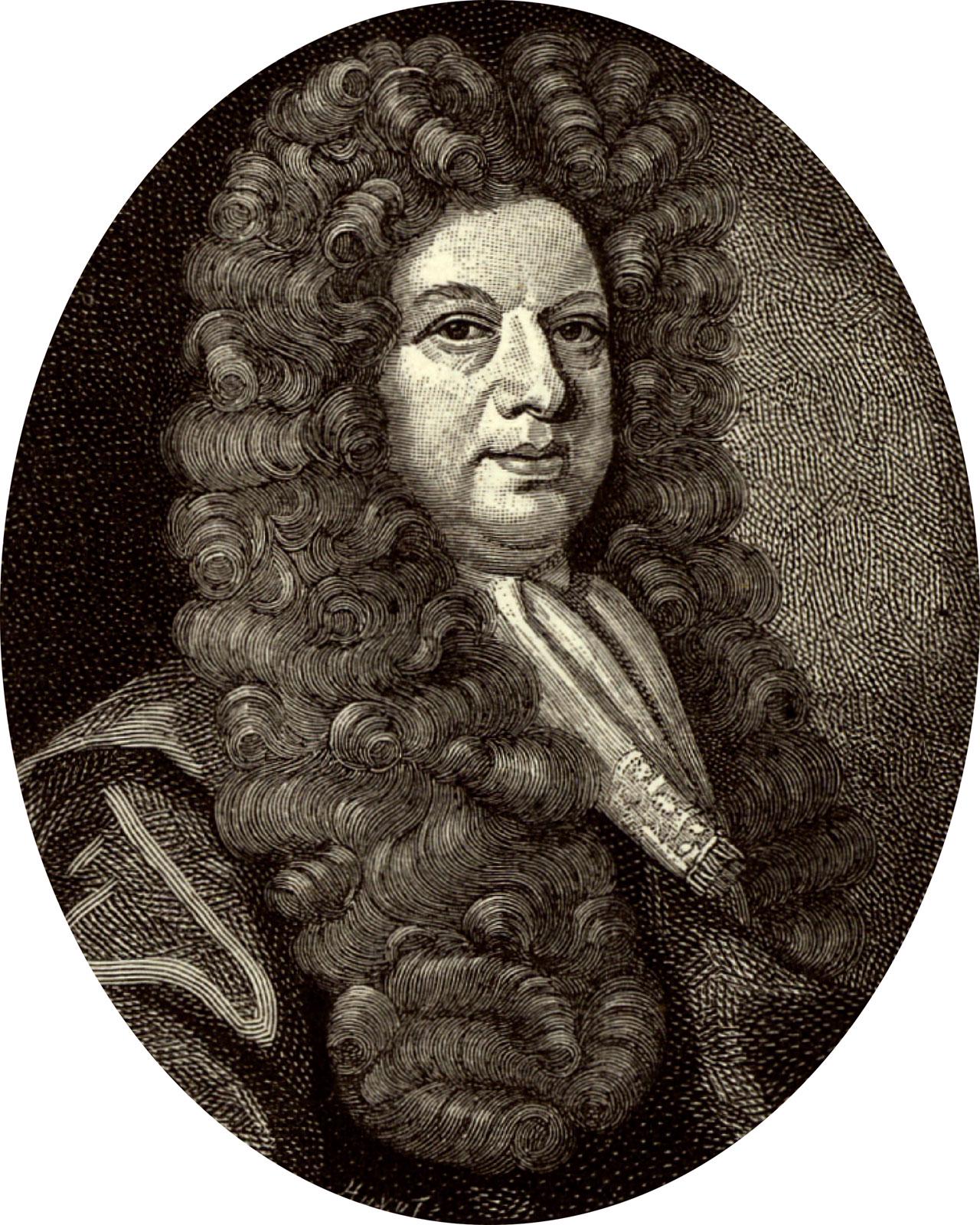
John Blow’s Spotify BioEnglish composer John Blow was an important influence on Henry Purcell; his organ compositions, court odes, songs, and single opera, Venus and Adonis, are his most important works.
Blow was born in February 1649 and was baptized on the 23rd of that month. He became a choirboy in the Chapel Royal at an early age and must therefore already have served in that capacity in another church, perhaps in Newark. Blow studied with the chorus master Henry Cooke, and later with Christopher Gibbons, the son of Orlando Gibbons. In December 1668, Blow was given the post of organist at Westminster Abbey, a prestigious position indicating his considerable keyboard skills. A month later he was taken into the royal court to serve as a performer on the virginal. In 1670, anthem, Blow took on the young Henry Purcell as a student and was given the post of composer-in-ordinary for voices, an indication his vocal works had already found much favor.
Blow was taken into the service of the Chapel Royal in March… 1674, and in July he was named to a post there as children's chorus master. During this period Purcell began a more intense regimen of studies with Blow, and a friendship between the two arose. In 1674, Blow married Elizabeth Braddock; she would bear him five children, of whom two would die before reaching adulthood and Elizabeth herself lived a decade into their union. Blow was appointed one of three organists at the Chapel Royal in 1676.
During this time and until 1685 -- the year of James II's coronation -- Blow composed most of his anthems and his opera Venus and Adonis, written with librettist Aphra Behn. In the late 1670s, he began composition of a large number of songs, which appeared in anthologies from 1679 through 1684. Blow also began writing many odes during this period. His Begin the Song (1684), the first of his St. Cecilia's Day Odes, for vocal soloists, chorus, and instrumental ensemble, is one of Blow's greatest achievements.
Blow continued composing at a fairly prolific rate in the latter years of the seventeenth century and garnered further posts, including master of choristers at St. Paul's Cathedral, in 1687. The death of Henry Purcell on November 21, 1695, was a devastating loss for Blow. He was moved by the event to write his most fomous work in 1696, An Ode on the Death of Mr. Henry Purcell.
In 1700 Blow was appointed to the position of composer of the Chapel Royal, the top ranking job for a composer in England at the time. Ironically, his output slowed to a trickle in succeeding years, and what little he did produce was not necessarily new: the 1702 anthem, The Lord God Is a Sun and Shield, for vocal soloists, chorus, instrumental ensemble, and organ, for instance, is based on the 1686 effort of the same title. Blow died on October 1, 1708, in London.
Viberate is a music analytics platform built for A&Rs, artist managers, labels, booking agents, marketers, and artists.
It helps music professionals track artist growth, analyze audience data, monitor playlist activity, compare artists, follow song performance, and identify opportunities across the music market.
Public artist pages provide a free preview of selected artist data. Paid plans provide access to deeper analytics, historical data, charts, comparisons, playlist tools, exports, alerts, reports, and additional professional features.
Yes. Public Viberate artist pages provide selected artist analytics and music data for free.
Viberate also offers a 7-day free trial of the full platform. A credit card is required to start the trial. The trial includes access to the complete product so users can test deeper artist analytics, historical views, playlist insights, comparisons, charts, exports, alerts, and reporting features before choosing a paid plan.
Viberate provides artist analytics across streaming, playlists, social media, video, radio airplay, songs, and audience markets.
Users can analyze Spotify performance, Spotify and Apple Music playlists, YouTube activity, TikTok and Instagram growth, radio spins, song performance, audience locations, demographics, rankings, and overall artist momentum.
Artist profiles also connect to music charts, similar artists, and comparison tools, helping users benchmark performance and evaluate artists in context.
Viberate updates key artist and track data daily.
For followed artists and tracks, selected data is refreshed multiple times per day. This helps teams monitor playlist changes, streaming movement, audience growth, releases, and campaign performance with more current data.
Update frequency can vary depending on the metric and data source.
Yes. Viberate lets users compare up to five artists side by side across streaming, social media, audience, and engagement metrics.
Users can compare fanbase growth, audience demographics, locations, Spotify performance, social metrics, and other artist data over selected time periods.
Artist comparison can be used for A&R scouting, benchmarking, booking decisions, campaign planning, and evaluating artists with similar audiences or market positions.