André Campra

Classical
Orchestral
 Viberate Rank: 407922
 Viberate Rank: 407922
 Monthly ListenersFollowers
 Subscribers
 Followers
 Followers
 FansTop Spotify SongsTop YouTube VideosMonthly ListenersFeatured in Playlists
| Playlist | Followers | |
|---|---|---|
1 |  Gregorian Chants & Hymns for Sleep, Study & Solitude Joseph Santiago | 82.69K |
2 |  reading in a castle Spotify | 59.02K |
3 | Bride Entrance Songs Hitched | 6.31K |
4 | Requiems (Mozart, Brahms, Verdi, Salieri, Fauré, Haydn) Víctor Bethencourt | 6.09K |
5 |  harmonia mundi picks harmonia mundi | 4.66K |
Audience| City | Monthly Listeners | |
|---|---|---|
1 | | 206 |
2 |  | 161 |
3 |  | 143 |
4 |  | 116 |
5 |  | 102 |
See full performance history, audience data, playlist activity, rankings, comparisons, and more in Viberate music analytics. Start with a free trial, then continue with a paid plan.
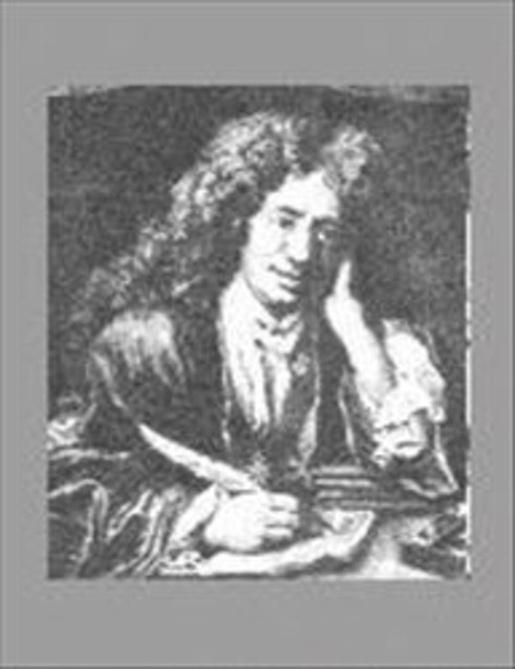
André Campra’s Spotify BioThe most significant composer for the French stage between Lully and Rameau, Campra was born in Aix-en-Provence in 1660. His father, an amateur violinist, provided him with his first music lessons, and while he was a slow learner at first, he did begin to show talent, and joined the choir of St. Sauveur in 1674. At one point he nearly lost his place in the choir when he was caught giving unauthorized performances in secular theaters on the side. In August of 1681 he became the music master at the church of Ste. Trophime in Arles, and two years later moved on to the same position at the Cathedral of St. Étienne in Toulouse. In 1694 he took a leave of absence that became permanent when he became music master at Notre Dame. Until he arrived in Paris he had composed mostly sacred music, but even though he had reached a top position in the world of church music, the dramatic stage once again began to draw his creativity.
in 1697, he presented a new form of his own invention, the… opéra-ballet. A loosely plotted song-and-dance spectacle, L'Europe galante was well received by its aristocratic audience. Its successors, the similar divertissements Vénus (1698) and The Venetian Carnival (1699), were likewise successful. He had published these in his younger brother's name because he was afraid of losing his church appointment, but after these successes, he was confident in his ability to support himself with secular music. In 1700, he left Notre Dame and wrote his first opera, Hesione. Of the eight operas (or tragédies-lyriques) that followed, only Tancrède (1702) and Idomenée (1712) have been performed with any regularity in the twentieth century. Campra assumed a dominant position in the world of dramatic music; he was granted a publishing monopoly and, in 1718, an annual no-strings-attached pension by King Louis XV. In 1708, he wrote his first book of secular cantatas in French, specifying that he wanted to combine the liveliness of Italian music with the delicacy of French music; this was followed by a second book in 1714 and a third in 1728. In 1720, Campra began to write sacred music again, and in 1722 he was made master of the royal chapel and official composer and music director for the Prince of Conti. He wrote a good deal of material for the royal chapel between then and his retirement in 1742.
Campra's prolific writing was more or less evenly divided among opéra-ballet, sacred music, and tragic opera. While the opéra-ballet was intended as light entertainment, Campra's works in the form are musically sophisticated and varied. They combine characteristics of Italian music, particularly an emphasis on melody, with various influences from Lully, providing new ideas after French music had become somewhat stale under Lully's near-complete domination. Similarly, his tragic operas also show innovations, such as the highly atmospheric musical special effects of Idomenée and Hesione; these paved the way for Rameau's musical language. Like that of his contemporary Bach, Campra's sacred music also wove Italian influences into an essentially conservative idiom.
Viberate is a music analytics platform built for A&Rs, artist managers, labels, booking agents, marketers, and artists.
It helps music professionals track artist growth, analyze audience data, monitor playlist activity, compare artists, follow song performance, and identify opportunities across the music market.
Public artist pages provide a free preview of selected artist data. Paid plans provide access to deeper analytics, historical data, charts, comparisons, playlist tools, exports, alerts, reports, and additional professional features.
Yes. Public Viberate artist pages provide selected artist analytics and music data for free.
Viberate also offers a 7-day free trial of the full platform. A credit card is required to start the trial. The trial includes access to the complete product so users can test deeper artist analytics, historical views, playlist insights, comparisons, charts, exports, alerts, and reporting features before choosing a paid plan.
Viberate provides artist analytics across streaming, playlists, social media, video, radio airplay, songs, and audience markets.
Users can analyze Spotify performance, Spotify and Apple Music playlists, YouTube activity, TikTok and Instagram growth, radio spins, song performance, audience locations, demographics, rankings, and overall artist momentum.
Artist profiles also connect to music charts, similar artists, and comparison tools, helping users benchmark performance and evaluate artists in context.
Viberate updates key artist and track data daily.
For followed artists and tracks, selected data is refreshed multiple times per day. This helps teams monitor playlist changes, streaming movement, audience growth, releases, and campaign performance with more current data.
Update frequency can vary depending on the metric and data source.
Yes. Viberate lets users compare up to five artists side by side across streaming, social media, audience, and engagement metrics.
Users can compare fanbase growth, audience demographics, locations, Spotify performance, social metrics, and other artist data over selected time periods.
Artist comparison can be used for A&R scouting, benchmarking, booking decisions, campaign planning, and evaluating artists with similar audiences or market positions.