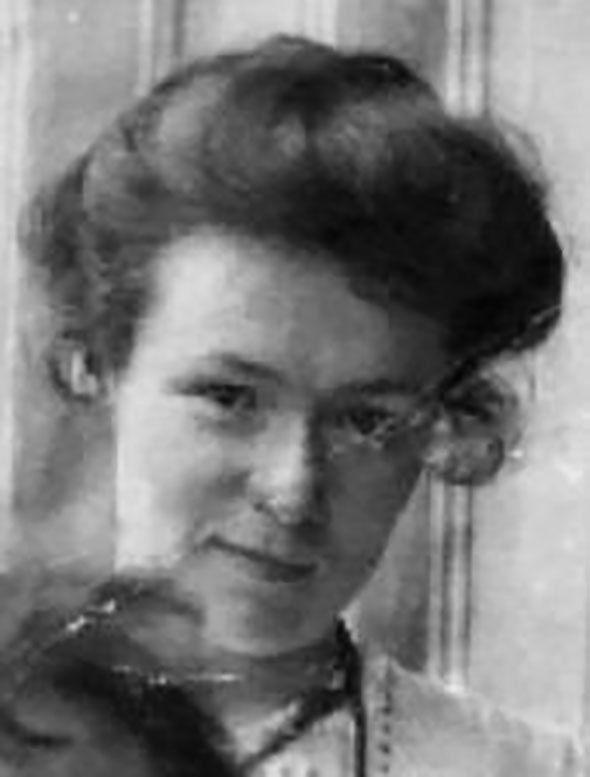
Johanna Senfter

Classical
Chamber Music
 Viberate Rank: 798713
 Viberate Rank: 798713
 Monthly ListenersFollowers
 Subscribers
 Followers
 Followers
 FansTop Spotify SongsTop YouTube VideosMonthly ListenersFeatured in Playlists
| Playlist | Followers | |
|---|---|---|
1 |  🎶 Creadoras de la Historia de la Música (@svmusicology) Sakira Ventura | 3.67K |
2 |  365 Days of Music by Women Chords & Queens | 2.42K |
3 |  Classical Piano Maestro Replay Curator | 1.52K |
4 |  Ultimate Dark/Sad Classical brilliantos | 1.20K |
5 |  Dark Academia Writing Music Rosana | 1.04K |
Audience| City | Monthly Listeners | |
|---|---|---|
1 |  | 72 |
2 |  | 68 |
3 |  | 56 |
4 |  | 54 |
5 | | 51 |
See full performance history, audience data, playlist activity, rankings, comparisons, and more in Viberate music analytics. Start with a free trial, then continue with a paid plan.
Johanna Senfter’s Spotify BioComposer Johanna Senfter was one of the few women active in the field in the early and middle 20th century. She wrote symphonies and various other large works, in addition to chamber music and songs. The scion of a wealthy industrial family in Oppenheim, Senfter spent much of her life in that city after studying with Max Reger. Well over a hundred of her works were published; after her death, her music was rarely played, but the 21st century has been kinder to her reputation, and the Else Ensemble released an album of her chamber music in 2024.
Senfter was born in Oppenheim, on the Upper Rhine River, on November 27, 1879. Her mother's father, Friedrich Koch, was a pioneer in manufacturing quinine for malaria treatments, and her father was a prosperous maker of building materials. Senfter had a happy childhood in which her creativity was encouraged by her parents and boarding school teachers, although she suffered a bad case of diphtheria that lasted several years and continued to… trouble her in later life. Senfter attended the Hoch Conservatory in Frankfurt, studying composition with Iwan Knorr and also taking violin, piano, and organ courses. She graduated in 1903. In 1908, she began composition classes at the Leipzig Royal Conservatory with Max Reger, who claimed she was his best pupil, and in 1910, she won a prize for the best student composition of the previous year. By 1913, she had already published ten works, including a Sonata for cello and piano in A minor, Op. 10, and after Reger's death in 1916, she began a period of peak creativity.
Senfter returned to her hometown and founded the Musikverein Oppenheim organization there. In addition to songs and chamber works for many combinations of instruments (including some with an organ), she wrote nine symphonies (one of which, sadly, quotes the Nazi Horst-Wessel-Lied, but she refused to make any comment at all on politics) and many other large-scale works, including those with vocalists or a chorus. Like Reger, she was an expert contrapuntist who often included fugues in her music. In later life, Senfter was reclusive, saying that those who wanted to know her could learn about her through her music. She remained active as a composer into old age. Senfter died in Oppenheim on August 11, 1961. New recordings of her chamber music began to appear in the 2010s and 2020s, including the Else Ensemble's Johanna Senfter: Chamber Music on the CPO label in 2024. Her orchestral music, however, remains largely unrecorded. ~ James Manheim, Rovi
Viberate is a music analytics platform built for A&Rs, artist managers, labels, booking agents, marketers, and artists.
It helps music professionals track artist growth, analyze audience data, monitor playlist activity, compare artists, follow song performance, and identify opportunities across the music market.
Public artist pages provide a free preview of selected artist data. Paid plans provide access to deeper analytics, historical data, charts, comparisons, playlist tools, exports, alerts, reports, and additional professional features.
Yes. Public Viberate artist pages provide selected artist analytics and music data for free.
Viberate also offers a 7-day free trial of the full platform. A credit card is required to start the trial. The trial includes access to the complete product so users can test deeper artist analytics, historical views, playlist insights, comparisons, charts, exports, alerts, and reporting features before choosing a paid plan.
Viberate provides artist analytics across streaming, playlists, social media, video, radio airplay, songs, and audience markets.
Users can analyze Spotify performance, Spotify and Apple Music playlists, YouTube activity, TikTok and Instagram growth, radio spins, song performance, audience locations, demographics, rankings, and overall artist momentum.
Artist profiles also connect to music charts, similar artists, and comparison tools, helping users benchmark performance and evaluate artists in context.
Viberate updates key artist and track data daily.
For followed artists and tracks, selected data is refreshed multiple times per day. This helps teams monitor playlist changes, streaming movement, audience growth, releases, and campaign performance with more current data.
Update frequency can vary depending on the metric and data source.
Yes. Viberate lets users compare up to five artists side by side across streaming, social media, audience, and engagement metrics.
Users can compare fanbase growth, audience demographics, locations, Spotify performance, social metrics, and other artist data over selected time periods.
Artist comparison can be used for A&R scouting, benchmarking, booking decisions, campaign planning, and evaluating artists with similar audiences or market positions.