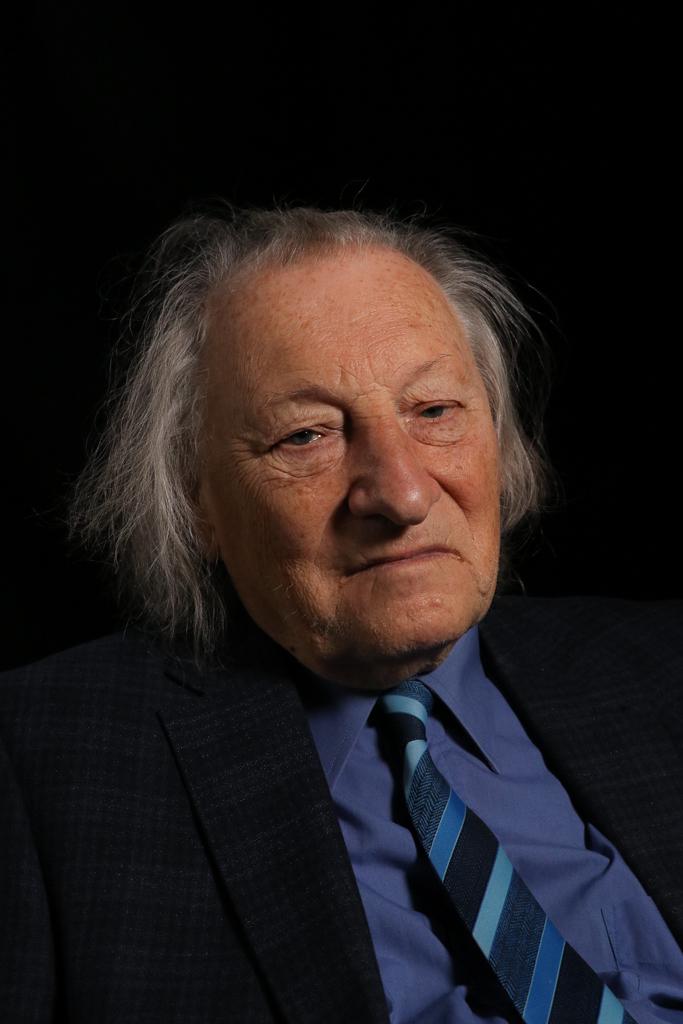
Radoslav Kvapil

Classical
Chamber Music
Orchestral
 Viberate Rank: 386470
 Viberate Rank: 386470
 Monthly ListenersFollowers
 Subscribers
 Followers
 Followers
 FansTop Spotify Songs
| Track | 7-Day Streams | |
|---|---|---|
1 | 9.33K | |
2 | 503 | |
3 | 221 | |
4 | 152 | |
5 | 53 |
Top YouTube VideosMonthly ListenersFeatured in Playlists| Playlist | Followers | |
|---|---|---|
1 |  Motzart Frank Karall | 8.21K |
2 |  🎹 Piano Tiles 2 Nox Lunar | 6.54K |
3 |  The Little Rascals Soundtrack Justin Sean Columbus Platt | 3.81K |
4 |  Classical Music for Metalheads gnocchi1442 | 3.30K |
5 |  Solo Piano için Klasik Müzik Burak | 1.73K |
Audience| City | Monthly Listeners | |
|---|---|---|
1 | | 36 |
2 |  | 27 |
3 |  | 23 |
4 |  | 18 |
5 | | 17 |
See full performance history, audience data, playlist activity, rankings, comparisons, and more in Viberate music analytics. Start with a free trial, then continue with a paid plan.
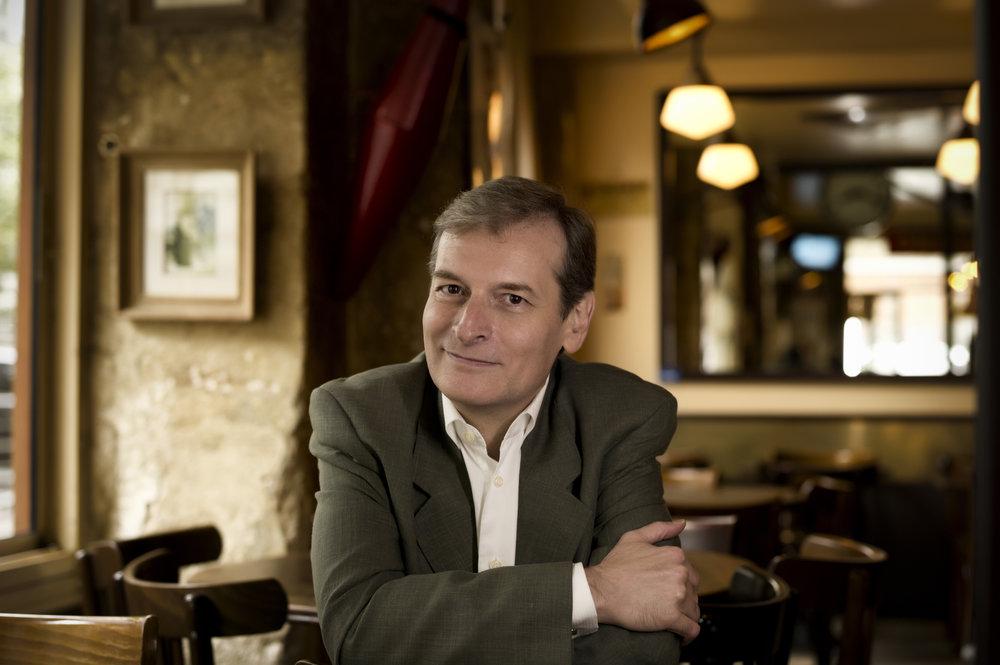
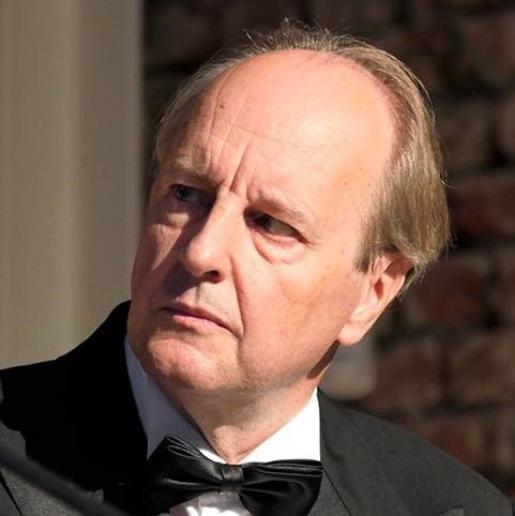
Radoslav Kvapil’s Spotify BioAs well as being a published authority on Czech piano music from all eras, Radoslav Kvapil is also a sensitive and skilled pianist, most comfortable and always at his best in the music of his homeland.
Kvapil is a native of Brno and began piano lessons as a young child with Ludvík Kundera of the Brno Academy. Kundera was a student of Janácek, as well as Janácek's successor at the Academy, so Kvapil learned much about that composer's life and work from first-hand sources. His intimate familiarity with and thorough research into Dvorák's music -- sometimes collaborating with Jarmil Burghauser -- led him to make the first recording the complete piano works of Dvorák for Supraphon in the late '60s and to found the International Dvorák Society in 1994. However, Kvapil does not limit himself to the music of just those two composers. In the mid-'90s he recorded eight discs of Czech solo piano music from Vorísek to Suk, but has also made recordings of Chopin, Schubert, Czech chamber music, and… piano concertos. In the 2005, Regis began reissuing some of Kvapil's releases, including the anthology of Czech music and one of Dvorák's music played on Dvorák's Bösendorder piano. Many contemporary Czech composers, such as Ctirad Kohoutek and Miloslav Istvan, have also written and dedicated pieces to Kvapil.
Kvapil made his concert debut in 1950 and won the 1958 Janácek Competition, and since then has appeared around the world, from the Rudolfinum in Prague to the Seoul Arts Center, from large concert halls to conservatory recital halls. His performances are noted for the innate feel he has for the rhythms and colors of the Czech music, which he brings out with perfect ease when he plays and which makes the music communicate quickly and effortlessly with audiences. As of the new century, into his sixth decade of performing, Kvapil still travels widely to perform in concerts, at festivals, and to teach master classes.
Viberate is a music analytics platform built for A&Rs, artist managers, labels, booking agents, marketers, and artists.
It helps music professionals track artist growth, analyze audience data, monitor playlist activity, compare artists, follow song performance, and identify opportunities across the music market.
Public artist pages provide a free preview of selected artist data. Paid plans provide access to deeper analytics, historical data, charts, comparisons, playlist tools, exports, alerts, reports, and additional professional features.
Yes. Public Viberate artist pages provide selected artist analytics and music data for free.
Viberate also offers a 7-day free trial of the full platform. A credit card is required to start the trial. The trial includes access to the complete product so users can test deeper artist analytics, historical views, playlist insights, comparisons, charts, exports, alerts, and reporting features before choosing a paid plan.
Viberate provides artist analytics across streaming, playlists, social media, video, radio airplay, songs, and audience markets.
Users can analyze Spotify performance, Spotify and Apple Music playlists, YouTube activity, TikTok and Instagram growth, radio spins, song performance, audience locations, demographics, rankings, and overall artist momentum.
Artist profiles also connect to music charts, similar artists, and comparison tools, helping users benchmark performance and evaluate artists in context.
Viberate updates key artist and track data daily.
For followed artists and tracks, selected data is refreshed multiple times per day. This helps teams monitor playlist changes, streaming movement, audience growth, releases, and campaign performance with more current data.
Update frequency can vary depending on the metric and data source.
Yes. Viberate lets users compare up to five artists side by side across streaming, social media, audience, and engagement metrics.
Users can compare fanbase growth, audience demographics, locations, Spotify performance, social metrics, and other artist data over selected time periods.
Artist comparison can be used for A&R scouting, benchmarking, booking decisions, campaign planning, and evaluating artists with similar audiences or market positions.