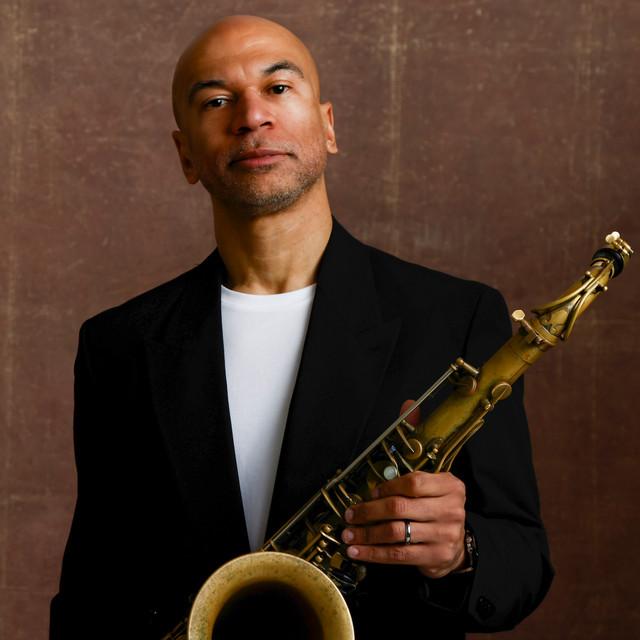
Joel Ross

Jazz
Free Jazz
Smooth Jazz
 Viberate Rank: 89083
 Viberate Rank: 89083
 Monthly ListenersFollowers
 Subscribers
 Followers
 Followers
 FansTop Spotify Songs
| Track | 7-Day Streams | |
|---|---|---|
1 | 15.83K | |
2 | 14.97K | |
3 | 12.21K | |
4 | 10.99K | |
5 | 9.68K |
Top YouTube VideosMonthly ListenersFeatured in Playlists| Playlist | Followers | |
|---|---|---|
1 |  Late Night Jazz Spotify | 2.18M |
2 |  Christmas Jazz Spotify | 645.58K |
3 |  Jazz Classics Blue Note Edition Spotify | 549.36K |
4 |  Good Morning Jazz Spotify | 449.09K |
5 |  66 GREENE _BY.ALEXANDER | 395.68K |
Audience| City | Monthly Listeners | |
|---|---|---|
1 |  | 1.63K |
2 | | 1.11K |
3 | | 947 |
4 |  | 858 |
5 | | 844 |
See full performance history, audience data, playlist activity, rankings, comparisons, and more in Viberate music analytics. Start with a free trial, then continue with a paid plan.
Joel Ross’ Spotify BioThe Chicago-born, Brooklyn-based vibraphonist Joel Ross is a sophisticated jazz performer with a sound steeped in the post-bop tradition. A protégé of Stefon Harris, Ross initially gained attention as a sideman with Marquis Hill and Makaya McCraven before releasing his 2019 debut Blue Note album, Kingmaker. Along with his work as a member of Walter Smith III and Matthew Stevens' In Common band, he has continued to deliver ever more ambitious albums, including 2020's Who Are You? and 2022's The Parable of the Poet. He also contributed to Meshell Ndegeocello's Grammy-winning The Omnichord Real Book, before delivering his harmonically textural 2024 small-group date, nublues.
Born in 1996, Ross grew up in Chicago's South Side with parents who worked as police officers. A twin, he and his sibling started playing drums at age three, and by elementary school were regularly playing at church, where their father also worked as the choir director. As a teenager, he switched to the vibraphone… after joining the All City concert and jazz bands. More opportunities followed including playing with groups at the Jazz Institute of Chicago and eventually enrolling at the Chicago High School for the Arts. Via the school's partnership with the Thelonious Monk Institute of Jazz, Ross engaged with a bevy of performers including Herbie Hancock, Gerald Clayton, and Stefon Harris; the latter urged him to audition for his Brubeck Institute Jazz Quintet at California's University of the Pacific. Ross won the audition and spent two years working with Harris and developing his skills. The vibraphonist ultimately transferred to the New School, where he formed his own Good Vibes ensemble and finished out his degree. In 2016, he took first place at the BIAMP PDX Jazz Festival "Jazz Forward" Competition.
Based in Brooklyn, Ross has played with such luminaries as Makaya McCraven, Peter Evans, and Marquis Hill. In 2018, he joined Walter Smith III and Matthew Stevens for the album In Common. A year later, he cracked the Top Ten of the Billboard Jazz Albums chart with his debut record as a leader, Kingmaker, on Blue Note. Work followed with Melissa Aldana, Rob Mazurek, Jason Palmer, and others. In 2020, he returned with his sophomore Blue Note album, Who Are You?, which featured contributions by harpist Brandee Younger and saxophonist Immanuel Wilkins, among others.
After returning to his work with Smith and Stevens for 2022's In Common III, Ross delivered his own album-length suite, The Parable of the Poet. The following year, he played on Meshell Ndegeocello's album The Omnichord Real Book, which took home the 2024 Grammy Award for Best Alternative Jazz Album. Also in 2024, Ross released his fourth album, nublues, which featured contributions by saxophonist Wilkins, along with pianist Jeremy Corren, bassist Kanoa Mendenhall, drummer Jeremy Dutton, and flutist Gabrielle Garo. ~ Matt Collar, Rovi
Viberate is a music analytics platform built for A&Rs, artist managers, labels, booking agents, marketers, and artists.
It helps music professionals track artist growth, analyze audience data, monitor playlist activity, compare artists, follow song performance, and identify opportunities across the music market.
Public artist pages provide a free preview of selected artist data. Paid plans provide access to deeper analytics, historical data, charts, comparisons, playlist tools, exports, alerts, reports, and additional professional features.
Yes. Public Viberate artist pages provide selected artist analytics and music data for free.
Viberate also offers a 7-day free trial of the full platform. A credit card is required to start the trial. The trial includes access to the complete product so users can test deeper artist analytics, historical views, playlist insights, comparisons, charts, exports, alerts, and reporting features before choosing a paid plan.
Viberate provides artist analytics across streaming, playlists, social media, video, radio airplay, songs, and audience markets.
Users can analyze Spotify performance, Spotify and Apple Music playlists, YouTube activity, TikTok and Instagram growth, radio spins, song performance, audience locations, demographics, rankings, and overall artist momentum.
Artist profiles also connect to music charts, similar artists, and comparison tools, helping users benchmark performance and evaluate artists in context.
Viberate updates key artist and track data daily.
For followed artists and tracks, selected data is refreshed multiple times per day. This helps teams monitor playlist changes, streaming movement, audience growth, releases, and campaign performance with more current data.
Update frequency can vary depending on the metric and data source.
Yes. Viberate lets users compare up to five artists side by side across streaming, social media, audience, and engagement metrics.
Users can compare fanbase growth, audience demographics, locations, Spotify performance, social metrics, and other artist data over selected time periods.
Artist comparison can be used for A&R scouting, benchmarking, booking decisions, campaign planning, and evaluating artists with similar audiences or market positions.