Joe Lally

Punk
Hardcore Punk
Punk Rock
 Viberate Rank: 410738
 Viberate Rank: 410738
 Monthly ListenersFollowers
 Subscribers
 Followers
 Followers
 FansTop Spotify Songs
| Track | 7-Day Streams | |
|---|---|---|
1 | 183 | |
2 | 99 | |
3 | 37 | |
4 | 33 | |
5 | 29 |
Top YouTube VideosMonthly ListenersFeatured in Playlists| Playlist | Followers | |
|---|---|---|
1 |  Road Trip Dj Tennis | 5.25K |
2 |  Dischord Records Discography Dylan Ostendorf | 4.69K |
3 |  The Best Show on WFMU Jared Duncan | 1.51K |
4 |  This Is Jello Biafra Spotify | 1.21K |
Audience| City | Monthly Listeners | |
|---|---|---|
1 |  | 12 |
2 | | 11 |
3 |  | 11 |
4 |  | 10 |
5 |  | 9 |
See full performance history, audience data, playlist activity, rankings, comparisons, and more in Viberate music analytics. Start with a free trial, then continue with a paid plan.
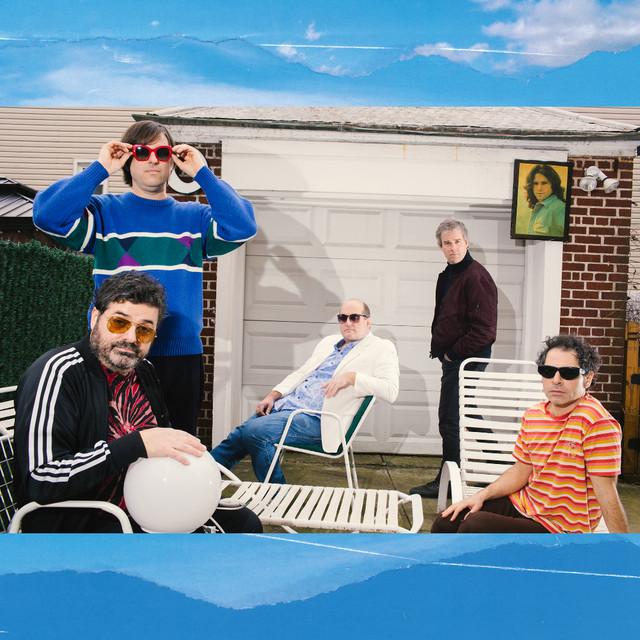
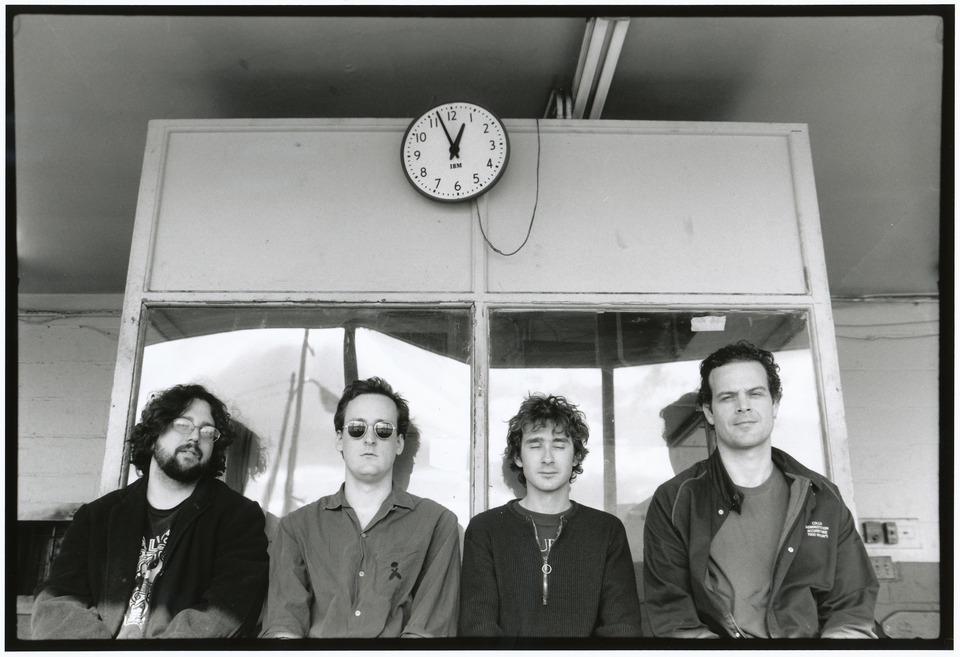
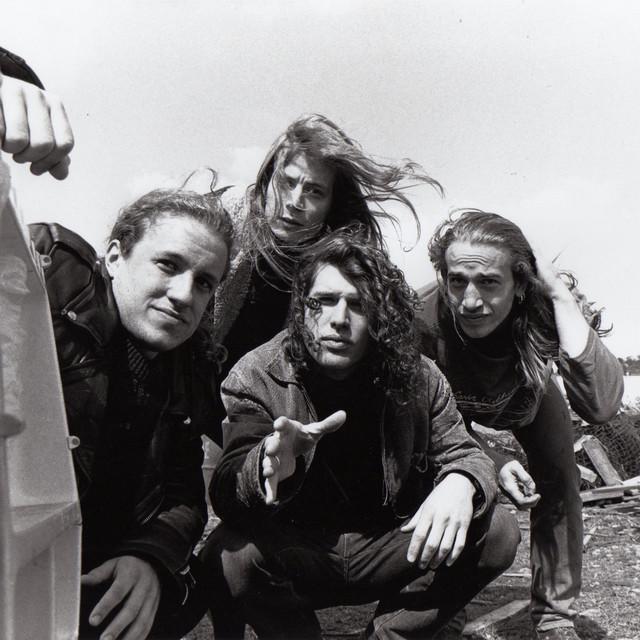
Joe Lally’s Spotify BioBest known as a member of Fugazi, Joe Lally first learned bass after seeing a Minor Threat show with Dag Nasty's Peter Cortner, which prompted them to form a band. In 1987 he joined up with Ian MacKaye, Brendan Canty, and Guy Picciotto to make Fugazi, one of the most important groups in the American underground scene. In 2002, as Fugazi was on hiatus, Lally got together with ex-Frodus members Shelby Cinca and Jason Hamacher as Black Sea and released a single that year, soon after changing their name to Decahedron and issuing a full-length, Disconnection Imminent, in 2004. That same year Lally joined up with John Frusciante and Josh Klinghoffer as Ataxia and released Automatic Writing. During this same time period Lally also ran the small label Tolotta, which he initially started in order to help distribute singles from bands who might have had trouble getting their music out otherwise, though he did end up putting out some full-lengths from artists like Spirit Caravan and Stinking… Lizaveta. In 2006 Lally released his first solo record, There to Here, a sparse, bass-driven set, on the D.C. punk label (run by MacKaye) Dischord, while Nothing Is Underrated, which featured contributions from both MacKaye and Picciotto, among others, appeared the following year. ~ Marisa Brown, Rovi
Viberate is a music analytics platform built for A&Rs, artist managers, labels, booking agents, marketers, and artists.
It helps music professionals track artist growth, analyze audience data, monitor playlist activity, compare artists, follow song performance, and identify opportunities across the music market.
Public artist pages provide a free preview of selected artist data. Paid plans provide access to deeper analytics, historical data, charts, comparisons, playlist tools, exports, alerts, reports, and additional professional features.
Yes. Public Viberate artist pages provide selected artist analytics and music data for free.
Viberate also offers a 7-day free trial of the full platform. A credit card is required to start the trial. The trial includes access to the complete product so users can test deeper artist analytics, historical views, playlist insights, comparisons, charts, exports, alerts, and reporting features before choosing a paid plan.
Viberate provides artist analytics across streaming, playlists, social media, video, radio airplay, songs, and audience markets.
Users can analyze Spotify performance, Spotify and Apple Music playlists, YouTube activity, TikTok and Instagram growth, radio spins, song performance, audience locations, demographics, rankings, and overall artist momentum.
Artist profiles also connect to music charts, similar artists, and comparison tools, helping users benchmark performance and evaluate artists in context.
Viberate updates key artist and track data daily.
For followed artists and tracks, selected data is refreshed multiple times per day. This helps teams monitor playlist changes, streaming movement, audience growth, releases, and campaign performance with more current data.
Update frequency can vary depending on the metric and data source.
Yes. Viberate lets users compare up to five artists side by side across streaming, social media, audience, and engagement metrics.
Users can compare fanbase growth, audience demographics, locations, Spotify performance, social metrics, and other artist data over selected time periods.
Artist comparison can be used for A&R scouting, benchmarking, booking decisions, campaign planning, and evaluating artists with similar audiences or market positions.