Joe Clay

Rock
Rockabilly
 Viberate Rank: 243451
 Viberate Rank: 243451
 Monthly ListenersFollowers
 Subscribers
 Followers
 Followers
 FansTop Spotify Songs
| Track | 7-Day Streams | |
|---|---|---|
1 | 2.83K | |
2 | 1.43K | |
3 | 1.43K | |
4 | 524 | |
5 | 479 |
Top YouTube VideosMonthly ListenersFeatured in Playlists| Playlist | Followers | |
|---|---|---|
1 |  Rockabilly Spotify | 133.32K |
2 |  The Best Of Rockabilly Music Francis Verdon | 40.54K |
3 |  Best of 50’s Rockabilly fernyhm | 17.04K |
4 |  Rockabilly Peter Karlsson | 13.32K |
5 |  El Sótano de Radio 3 Groovyfamily | 9.84K |
Audience| City | Monthly Listeners | |
|---|---|---|
1 | | 147 |
2 |  | 140 |
3 |  | 130 |
4 |  | 119 |
5 |  | 113 |
See full performance history, audience data, playlist activity, rankings, comparisons, and more in Viberate music analytics. Start with a free trial, then continue with a paid plan.
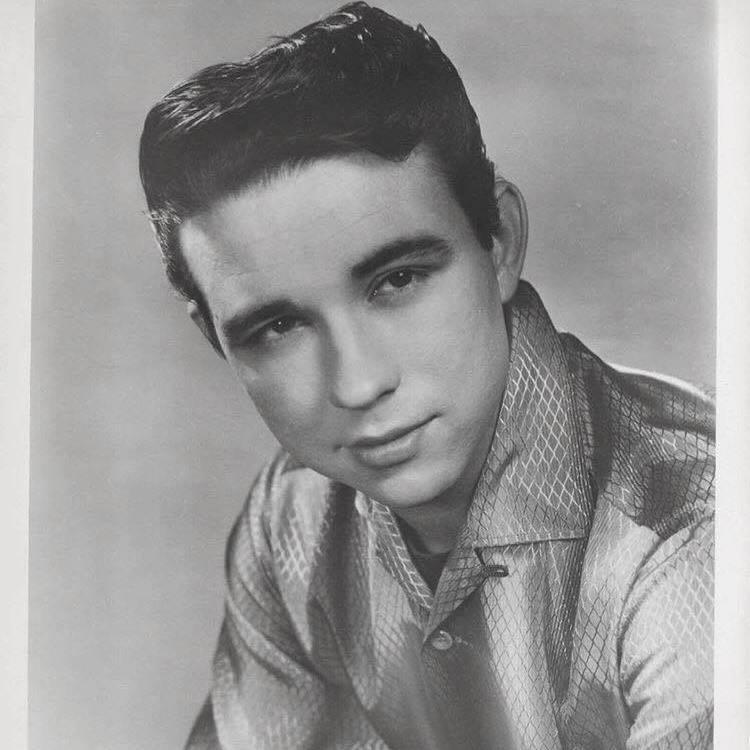
Joe Clay’s Spotify BioRockabilly singer/guitarist Joe Clay was on the cusp of stardom in 1956, when he appeared on The Ed Sullivan Show at 17 and won a contract with RCA Records. But Sullivan, in typical repressive fashion, told the young singer to play the Platters subdued "Only You" instead of his rollicking "Duck Tail," and Clay's domineering manager refused to allow him to play outside New Orleans and eventually drove RCA away. But it wasn't the last the world would hear from Joe Clay. Born in Louisiana's Cajun territory as Claiborne Joseph Cheramie, Clay began playing in a country band at 12 which went on to get a gig on WWEZ radio. RCA created a subsidiary called Vik Records, which called the station looking for talent. The label then offered Clay a contract, to which Clay replied, "Hell yes!" Clay, who had already recorded Sixteen Chicks, Goodbye Goodbye, and You Look That Good to Me in Houston, was flown to New York, where he recorded with some of the finest black rhythm musicians of the time… (guitarist Mickey Baker, guitarist Skeeter Best, bassist Leonard Gaskin, and drummers Bobby Donaldson and Joe Marshall) in one of the earlier integrated studio sessions. But the raucous music went nowhere. Clay played like Carl Perkins and Elvis Presley, and appeared on Sullivan months earlier than Presley, but only succeeded in playing backup on some Elvis recordings. Clay spent the next 30 years singing in the Bourbon Street lounges of New Orleans, eventually driving a bus to support himself. By the 1980s, after he'd given up performing, Clay was becoming a star in Europe, unbeknownst to him. A West German label issued a '50s revival album featuring Clay that took off, and a diehard English promoter spent years trying to track Clay down, placing classified ads, calling DJs, and working contacts. Willie Jeffrey finally found Clay and arranged a tour of England in 1986. ~ Ron DePasquale, Rovi
Viberate is a music analytics platform built for A&Rs, artist managers, labels, booking agents, marketers, and artists.
It helps music professionals track artist growth, analyze audience data, monitor playlist activity, compare artists, follow song performance, and identify opportunities across the music market.
Public artist pages provide a free preview of selected artist data. Paid plans provide access to deeper analytics, historical data, charts, comparisons, playlist tools, exports, alerts, reports, and additional professional features.
Yes. Public Viberate artist pages provide selected artist analytics and music data for free.
Viberate also offers a 7-day free trial of the full platform. A credit card is required to start the trial. The trial includes access to the complete product so users can test deeper artist analytics, historical views, playlist insights, comparisons, charts, exports, alerts, and reporting features before choosing a paid plan.
Viberate provides artist analytics across streaming, playlists, social media, video, radio airplay, songs, and audience markets.
Users can analyze Spotify performance, Spotify and Apple Music playlists, YouTube activity, TikTok and Instagram growth, radio spins, song performance, audience locations, demographics, rankings, and overall artist momentum.
Artist profiles also connect to music charts, similar artists, and comparison tools, helping users benchmark performance and evaluate artists in context.
Viberate updates key artist and track data daily.
For followed artists and tracks, selected data is refreshed multiple times per day. This helps teams monitor playlist changes, streaming movement, audience growth, releases, and campaign performance with more current data.
Update frequency can vary depending on the metric and data source.
Yes. Viberate lets users compare up to five artists side by side across streaming, social media, audience, and engagement metrics.
Users can compare fanbase growth, audience demographics, locations, Spotify performance, social metrics, and other artist data over selected time periods.
Artist comparison can be used for A&R scouting, benchmarking, booking decisions, campaign planning, and evaluating artists with similar audiences or market positions.