Joaquín Turina

Classical
Opera
 Viberate Rank: 223222
 Viberate Rank: 223222
 Monthly ListenersFollowers
 Subscribers
 Followers
 Followers
 FansTop Spotify Songs
| Track | 7-Day Streams | |
|---|---|---|
1 | 1.74K | |
2 | 1.60K | |
3 | 1.05K | |
4 | 921 | |
5 | 785 |
Top YouTube VideosMonthly ListenersFeatured in Playlists| Playlist | Followers | |
|---|---|---|
1 |  The Sound of Everything The Sounds of Spotify | 53.83K |
2 |  dreamy classical, romantic era 🥀 Guppie | 38.27K |
3 |  Epic Intense Classical Music 🎻 vacho | 27.56K |
4 |  Best of Spanish classical guitar Heike Matthiesen | 24.94K |
5 | Cristina Cortés | 15.48K |
Audience| City | Monthly Listeners | |
|---|---|---|
1 | | 873 |
2 | | 383 |
3 |  | 345 |
4 |  | 332 |
5 |  | 317 |
See full performance history, audience data, playlist activity, rankings, comparisons, and more in Viberate music analytics. Start with a free trial, then continue with a paid plan.
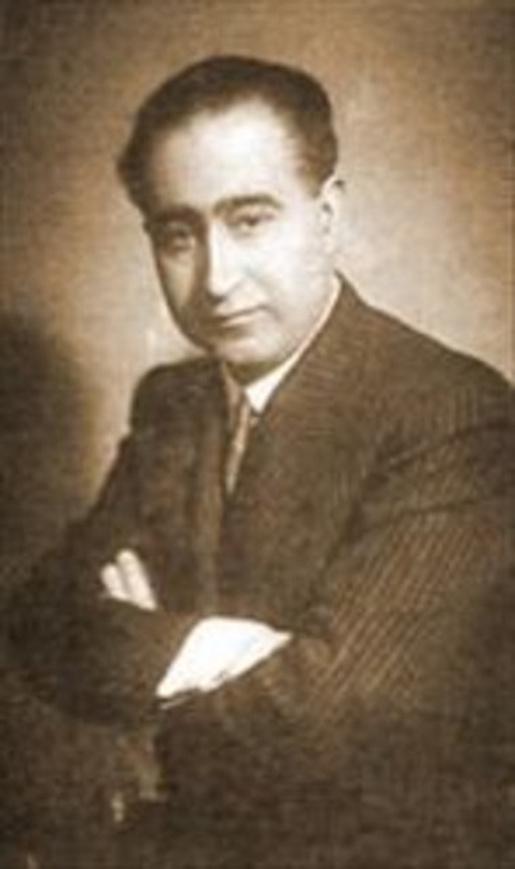
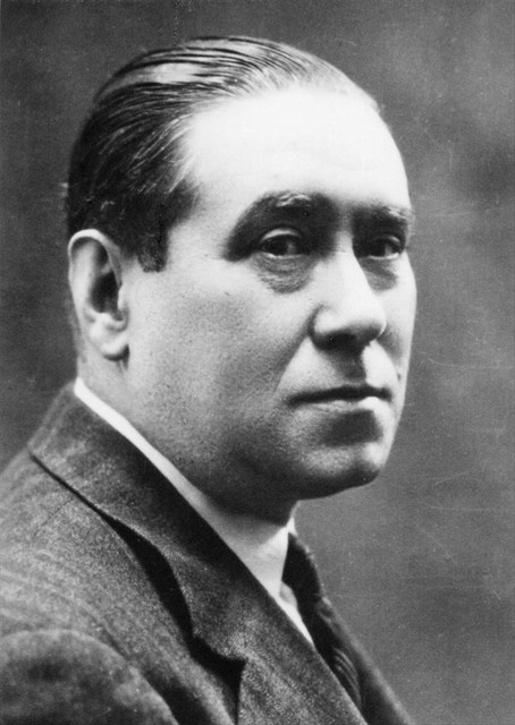
Joaquín Turina’s Spotify BioWhen he was a small boy, one of Joaquín Turina's favorite toys was a small accordion, and music was always his favorite subject at school. He studied piano and theory in his hometown of Seville and made his debut there as a pianist at age 14. His success led him to Madrid, where he tried to get his opera La sulamita (c. 1900) and his zarzuela Fea y con gracia (1904) performed. The latter was staged to no great success, but Turina showed his music to many prominent musicians and struck up a friendship with Manuel de Falla.
After studying piano at the Madrid Conservatory with José Tragó, Turina went to Paris, where he worked with Vincent d'Indy at the Schola Cantorum from 1905 to 1914. He also took some piano lessons with Moritz Moszkowski. During his years in Paris he was encouraged by the great French composers of that time -- Claude Debussy, Maurice Ravel, Paul Dukas, and his teacher d'Indy -- and wrote a few works in the French style of the day. After the premiere of his Piano… Quintet, Op. 1 in 1907, Turina went to a café with Isaac Albéniz and de Falla. They convinced Turina to write in a more consciously Spanish style. As Turina put it, "[w]e were three Spaniards gathered together in that corner of Paris and it was our duty to fight bravely for the national music of our country."
One of his first truly Spanish works was La procesión del Rocío, written in France in 1912 and premiered by the Madrid Symphony the following year. This portrait of a religious festival helped establish Turina's reputation, and by the time he returned to Spain with Falla in 1914, he was already recognized as a leading Spanish composer. Turina took a post as choirmaster at the Teatro Real, a position he held until the theater closed in 1925. He continued to be very active in Spain's musical life, serving as pianist of the Quinteto de Madrid, conducting opera and orchestral performances, and writing musical criticism for El Debate and other publications. He also composed works like the two books of Mujeres Españolas for piano (1917, 1932), a series of portraits of Spanish women, and La oración del torero (The Bullfighter's Prayer, 1925). In 1920 he wrote two of his most popular pieces, the Danzas Fantásticas for orchestra or piano, and the Sinfonía Sevillana, which won first prize in a competition for a musical picture of life in Seville.
In 1930 he was appointed professor of composition at the Madrid Conservatory. He and his family suffered a certain amount of persecution by the Republicans during the Spanish Civil War, but Turina was able to carry on with his musical activities both during and after the war. He founded the General Music Commission of the Ministry of Education, of which he served as commissioner in 1941. He became a member of the Spanish Academy of Arts, was awarded the Grand Cross of Alfonso X the Wise, and died in early 1949 after a long struggle with cancer.
Viberate is a music analytics platform built for A&Rs, artist managers, labels, booking agents, marketers, and artists.
It helps music professionals track artist growth, analyze audience data, monitor playlist activity, compare artists, follow song performance, and identify opportunities across the music market.
Public artist pages provide a free preview of selected artist data. Paid plans provide access to deeper analytics, historical data, charts, comparisons, playlist tools, exports, alerts, reports, and additional professional features.
Yes. Public Viberate artist pages provide selected artist analytics and music data for free.
Viberate also offers a 7-day free trial of the full platform. A credit card is required to start the trial. The trial includes access to the complete product so users can test deeper artist analytics, historical views, playlist insights, comparisons, charts, exports, alerts, and reporting features before choosing a paid plan.
Viberate provides artist analytics across streaming, playlists, social media, video, radio airplay, songs, and audience markets.
Users can analyze Spotify performance, Spotify and Apple Music playlists, YouTube activity, TikTok and Instagram growth, radio spins, song performance, audience locations, demographics, rankings, and overall artist momentum.
Artist profiles also connect to music charts, similar artists, and comparison tools, helping users benchmark performance and evaluate artists in context.
Viberate updates key artist and track data daily.
For followed artists and tracks, selected data is refreshed multiple times per day. This helps teams monitor playlist changes, streaming movement, audience growth, releases, and campaign performance with more current data.
Update frequency can vary depending on the metric and data source.
Yes. Viberate lets users compare up to five artists side by side across streaming, social media, audience, and engagement metrics.
Users can compare fanbase growth, audience demographics, locations, Spotify performance, social metrics, and other artist data over selected time periods.
Artist comparison can be used for A&R scouting, benchmarking, booking decisions, campaign planning, and evaluating artists with similar audiences or market positions.