Federico Moreno Torroba

Classical
Classical Crossover
Chamber Music
 Viberate Rank: 132967
 Viberate Rank: 132967
 Monthly ListenersFollowers
 Subscribers
 Followers
 Followers
 FansTop Spotify Songs
| Track | 7-Day Streams | |
|---|---|---|
1 | 5.66K | |
2 | 3.72K | |
3 | 3.50K | |
4 | 3.24K | |
5 | 3.00K |
Top YouTube VideosMonthly ListenersFeatured in Playlists| Playlist | Followers | |
|---|---|---|
1 |  Relaxing Classical Guitar Spotify | 235.31K |
2 |  Relaxing Spanish Guitar Joe | 49.48K |
3 |  Classical Guitar Sony Classical & Jazz Benelux | 48.39K |
4 |  Best of Spanish classical guitar Heike Matthiesen | 24.94K |
5 |  FIP Radio (en live) Matthou | 13.31K |
Audience| City | Monthly Listeners | |
|---|---|---|
1 | | 2.16K |
2 |  | 1.11K |
3 | | 897 |
4 |  | 708 |
5 |  | 651 |
See full performance history, audience data, playlist activity, rankings, comparisons, and more in Viberate music analytics. Start with a free trial, then continue with a paid plan.
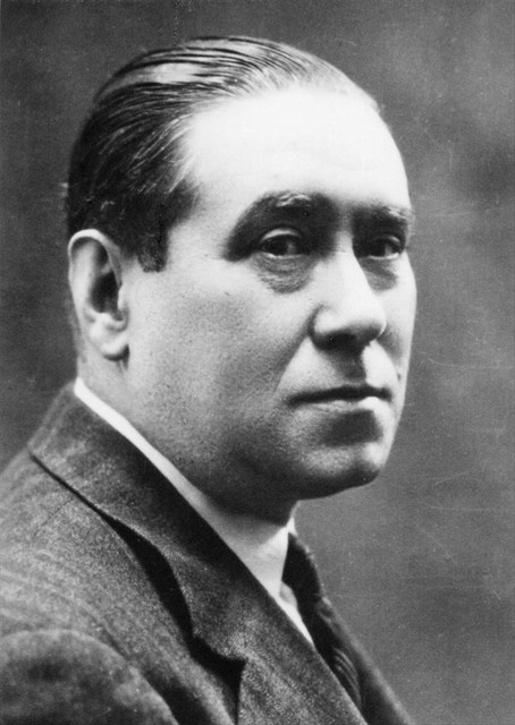
Federico Moreno Torroba’s Spotify BioThe multitalented Spanish musician Federico Moreno Torroba began his musical studies with his father, José Moreno Ballesteros, who was an organist and teacher at the National Conservatory of Music in Madrid. Moreno Torroba eventually attended the Conservatory, studying composition with Conrado del Campo. His earliest compositions were for orchestra, such as the Cuadros castellanos (c. 1920), but he soon moved to writing operas using Spanish styles and subject matter; in the mid-1920s he turned his attention to the zarzuela, the traditional form of Spanish comic opera. His first zarzuela was La mesonera de Tordesillas (1925); he went on to write almost 80 such works in his long career, perhaps the best known of which is Luisa Fernanda (1932). He also became a champion of the form as a conductor and impresario. At one point he managed three different opera houses, and in the 1930s and 1940s he led a touring company which performed zarzuelas all over the world.
Guitar music was another… major focus of Moreno Torroba's career. He was the first to respond to the young Andrés Segovia's request for new guitar works by modern composers, producing his Nocturno and Suite castellana for him in 1926. He went on to write many more works for Segovia over the next four-plus decades, and for other guitarists like the flamenco master Sabicas and the guitar quartet Los Romeros. By the end of his life he had composed over 100 works for the guitar, many of them strongly influenced by Spanish folk music.
In 1975, at age 84, Moreno Torroba became the president of the Sociedad de Autores Españoles. He continued composing right to the end of his life, even producing an opera at age 90, El Poeta (1980), for tenor Plácido Domingo, with whose parents Moreno Torroba had worked decades earlier.
Viberate is a music analytics platform built for A&Rs, artist managers, labels, booking agents, marketers, and artists.
It helps music professionals track artist growth, analyze audience data, monitor playlist activity, compare artists, follow song performance, and identify opportunities across the music market.
Public artist pages provide a free preview of selected artist data. Paid plans provide access to deeper analytics, historical data, charts, comparisons, playlist tools, exports, alerts, reports, and additional professional features.
Yes. Public Viberate artist pages provide selected artist analytics and music data for free.
Viberate also offers a 7-day free trial of the full platform. A credit card is required to start the trial. The trial includes access to the complete product so users can test deeper artist analytics, historical views, playlist insights, comparisons, charts, exports, alerts, and reporting features before choosing a paid plan.
Viberate provides artist analytics across streaming, playlists, social media, video, radio airplay, songs, and audience markets.
Users can analyze Spotify performance, Spotify and Apple Music playlists, YouTube activity, TikTok and Instagram growth, radio spins, song performance, audience locations, demographics, rankings, and overall artist momentum.
Artist profiles also connect to music charts, similar artists, and comparison tools, helping users benchmark performance and evaluate artists in context.
Viberate updates key artist and track data daily.
For followed artists and tracks, selected data is refreshed multiple times per day. This helps teams monitor playlist changes, streaming movement, audience growth, releases, and campaign performance with more current data.
Update frequency can vary depending on the metric and data source.
Yes. Viberate lets users compare up to five artists side by side across streaming, social media, audience, and engagement metrics.
Users can compare fanbase growth, audience demographics, locations, Spotify performance, social metrics, and other artist data over selected time periods.
Artist comparison can be used for A&R scouting, benchmarking, booking decisions, campaign planning, and evaluating artists with similar audiences or market positions.