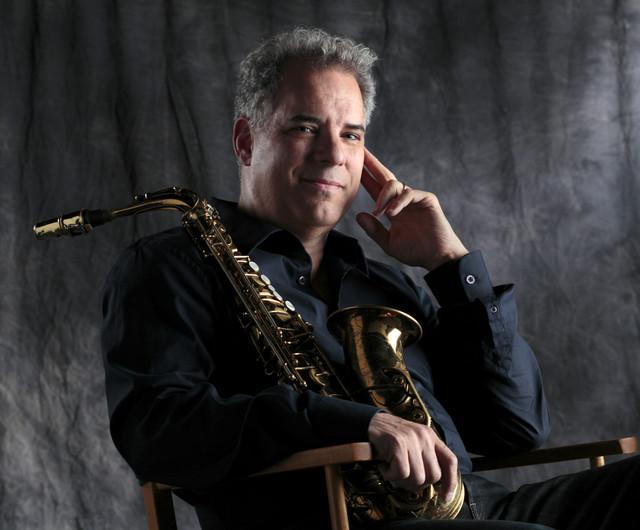
Jim Snidero

Jazz
Smooth Jazz
 Viberate Rank: 149789
 Viberate Rank: 149789
 Monthly ListenersFollowers
 Subscribers
 Followers
 Followers
 FansTop Spotify Songs
| Track | 7-Day Streams | |
|---|---|---|
1 | 46.00K | |
2 | 23.74K | |
3 | 7.43K | |
4 | 947 | |
5 | 839 |
Top YouTube VideosMonthly ListenersFeatured in Playlists| Playlist | Followers | |
|---|---|---|
1 |  Coffee Table Jazz Spotify | 2.67M |
2 |  Late Night Jazz Spotify | 2.18M |
3 |  Easy Jazz Spotify | 751.02K |
4 |  Good Night Jazz Dennis Westerheim | 14.37K |
5 |  New Jazz 2026 hen.ry | 11.09K |
Audience| City | Monthly Listeners | |
|---|---|---|
1 |  | 2.30K |
2 |  | 2.28K |
3 |  | 2.20K |
4 |  | 2.15K |
5 |  | 1.93K |
See full performance history, audience data, playlist activity, rankings, comparisons, and more in Viberate music analytics. Start with a free trial, then continue with a paid plan.
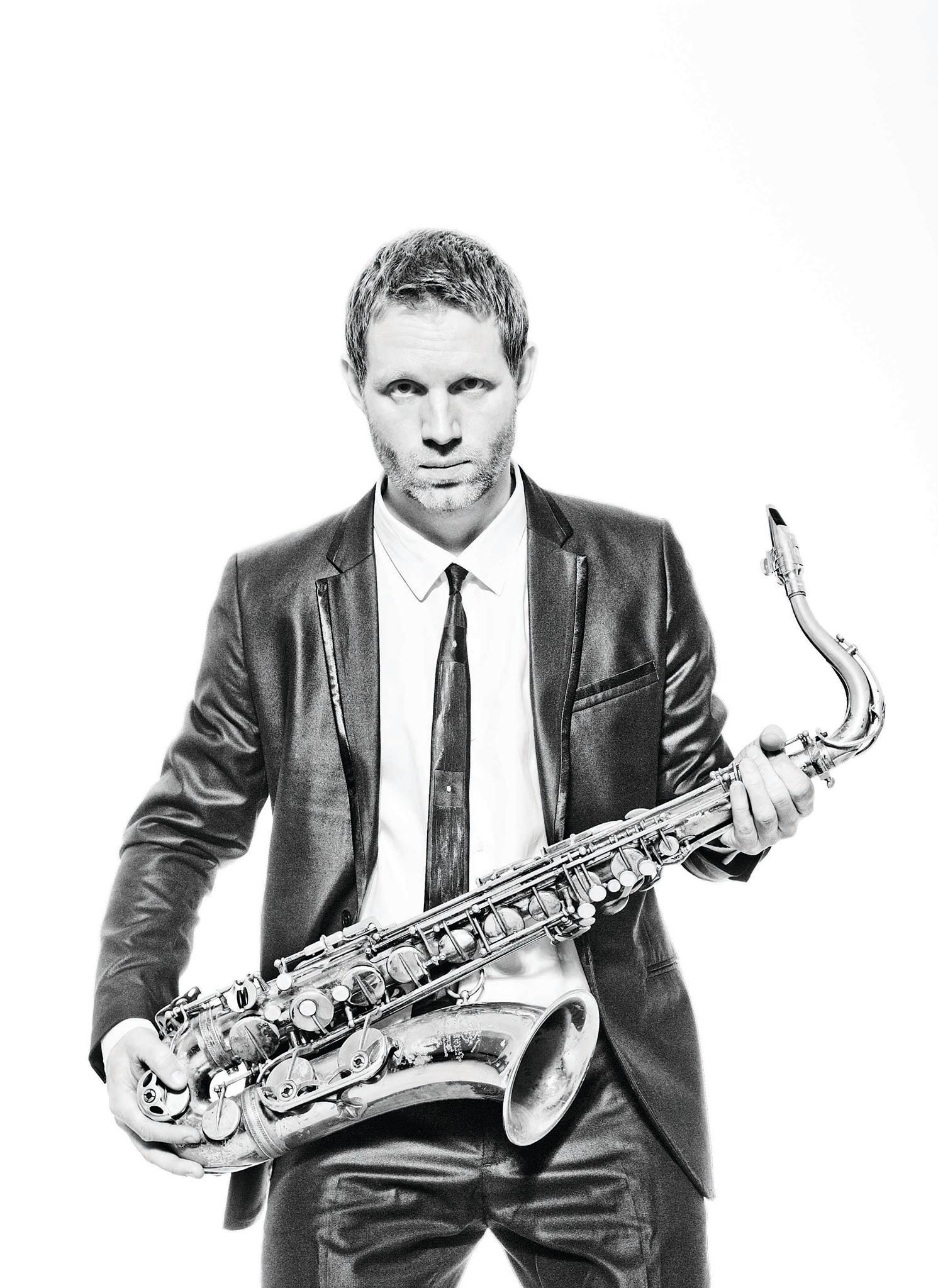
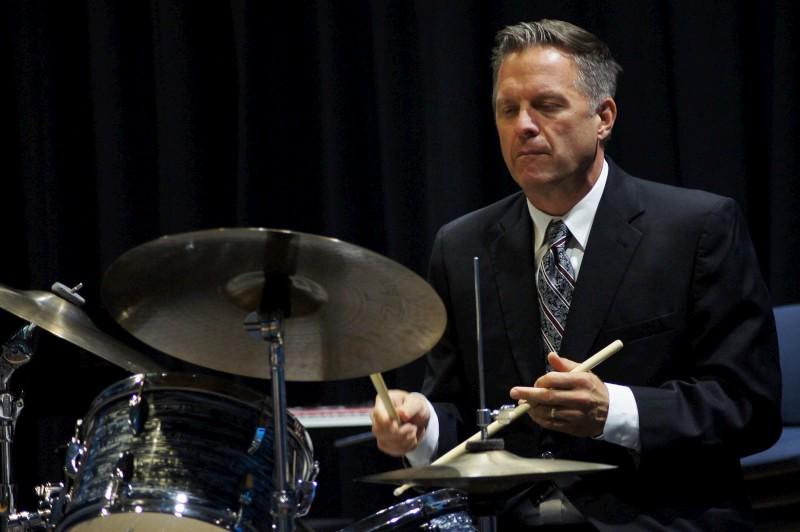
Jim Snidero’s Spotify BioSaxophonist Jim Snidero is an adroit jazz improviser, composer, and educator with a bent toward acoustic post-bop. Emerging in the 1980s, he issued a handful of highly regarded albums like 1987's Mixed Bag and 1996's Vertigo. An author of several books on jazz improvisation, Snidero has also led clinics and taught at the Jazz and Contemporary Music Program at the New School University, Indiana University, and Princeton. Along with his teaching, he remains an active performer, issuing ambitious albums like 2016's Miles Davis-influenced MD66 and 2020's South Korean-inspired Project K with Dave Douglas, as well as more straight-ahead dates like 2021's Live at the Deer Head Inn featuring his quartet with pianist Orrin Evans, and his 2024 trio session For All We Know.
Born in Redwood City, California in 1958, Snidero grew up in Prince George's County, Maryland, where he first began playing saxophone at age ten. However, it wasn't until junior high that he became interested in jazz. While… playing in his school concert and jazz ensembles, Snidero also fell under the influence of hard bop saxophonist Phil Woods, with whom he was able to study. After high school, he enrolled in the University of North Texas music program. During his summer vacations, he spent time in New York studying with saxophonist David Liebman, and after graduating in 1981, he moved to the city. By 1982, he was touring the country with organist Jack McDuff, with whom he also recorded three albums. From there, he found work with such established outfits as the Mingus Big Band and the Toshiko Akiyoshi Jazz Orchestra, of which he was a member from 1983 to 2003. Snidero has also performed with a bevy of names including David Murray, Frank Wess, Mel Lewis, Jim Rotondi, Maria Schneider, and many others.
As a solo artist, Snidero made his debut with On Time in 1984. Recorded at Rudy Van Gelder's studio, the album included fellow Akiyoshi bandmate and trumpeter Brian Lynch, pianist Kenny Kirkland, bassist George Mraz, and drummer Billy Hart. He delivered several more albums for the Criss Cross and Red labels, including 1987's Mixed Bag and 1989's Blue Afternoon.
The '90s were also a fertile period for Snidero, who began branching out creatively, playing with legendary singer Frank Sinatra from 1990 to 1995, and authoring several jazz pedagogy books. During this period, he continued to release a steady stream of hard bop-influenced albums including 1990's Storm Rising, 1991's Urban Tales with trumpeter Tom Harrell, and 1997's Standards + Plus, his first largely standards-oriented recording. He rounded out the decade with a tribute to saxophonist Joe Henderson with 1999's The Music of Joe Henderson on the Double-Time label.
At the turn of the millennium, Snidero began refocusing his work on his own original compositions with albums like 2002's orchestral Strings, featuring pianist Renee Rosnes, and 2004's Close Up, with saxophonist Eric Alexander. Beginning with 2007's Tippin', Snidero developed a fruitful relationship with Savant Records, returning with albums like 2009's Crossfire and 2011's Interface, both of which featured guitarist Paul Bollenback. Subsequent Savant albums, like 2013's Stream of Consciousness and 2015's Main Street, also found Snidero continuing to push himself creatively, collaborating on new material with bassist Linda Oh and drummer Rudy Royston.
In 2016, Snidero released MD66, which found him drawing inspiration from Miles Davis' second great quintet of the '60s, backed by a stellar ensemble featuring Royston, trumpeter Alex Sipiagin, pianist Andy Laverne, and bassist Ugonna Okegwo. The tribute album Jubilation!: Celebrating Cannonball Adderley followed two years later and featured trumpeter Jeremy Pelt. Pelt was also on board for the saxophonist's 2019 quintet date Waves of Calm, which additionally featured Orrin Evans on piano and Fender Rhodes, Nat Reeves on bass, and Jonathan Barber on drums. Influenced by the culture, history, and philosophy of South Korea, Snidero released 2020's Project K, which included contributions by trumpeter Dave Douglas as well as Korean gayageum player Do Yeon Kim. Live at the Deer Head Inn arrived in 2021 and captured Snidero's 2020 quartet performance at the storied Pennsylvania venue. For All We Know, the saxophonist's first-ever trio album featuring bassist Peter Washington and drummer Joe Farnsworth, arrived in early 2024. ~ Matt Collar, Rovi
Viberate is a music analytics platform built for A&Rs, artist managers, labels, booking agents, marketers, and artists.
It helps music professionals track artist growth, analyze audience data, monitor playlist activity, compare artists, follow song performance, and identify opportunities across the music market.
Public artist pages provide a free preview of selected artist data. Paid plans provide access to deeper analytics, historical data, charts, comparisons, playlist tools, exports, alerts, reports, and additional professional features.
Yes. Public Viberate artist pages provide selected artist analytics and music data for free.
Viberate also offers a 7-day free trial of the full platform. A credit card is required to start the trial. The trial includes access to the complete product so users can test deeper artist analytics, historical views, playlist insights, comparisons, charts, exports, alerts, and reporting features before choosing a paid plan.
Viberate provides artist analytics across streaming, playlists, social media, video, radio airplay, songs, and audience markets.
Users can analyze Spotify performance, Spotify and Apple Music playlists, YouTube activity, TikTok and Instagram growth, radio spins, song performance, audience locations, demographics, rankings, and overall artist momentum.
Artist profiles also connect to music charts, similar artists, and comparison tools, helping users benchmark performance and evaluate artists in context.
Viberate updates key artist and track data daily.
For followed artists and tracks, selected data is refreshed multiple times per day. This helps teams monitor playlist changes, streaming movement, audience growth, releases, and campaign performance with more current data.
Update frequency can vary depending on the metric and data source.
Yes. Viberate lets users compare up to five artists side by side across streaming, social media, audience, and engagement metrics.
Users can compare fanbase growth, audience demographics, locations, Spotify performance, social metrics, and other artist data over selected time periods.
Artist comparison can be used for A&R scouting, benchmarking, booking decisions, campaign planning, and evaluating artists with similar audiences or market positions.