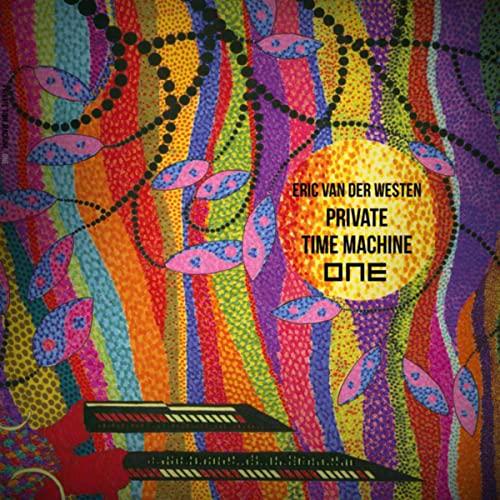
Eric van der Westen

Jazz
Smooth Jazz
 Viberate Rank: 332291
 Viberate Rank: 332291
 Monthly ListenersFollowers
 Subscribers
 Followers
 Followers
 FansTop Spotify Songs
| Track | 7-Day Streams | |
|---|---|---|
1 | 14.13K | |
2 | 5.70K | |
3 | 346 | |
4 | 334 | |
5 | 198 |
Top YouTube VideosMonthly ListenersFeatured in Playlists| Playlist | Followers | |
|---|---|---|
1 |  Coffee Table Jazz Spotify | 2.67M |
2 |  Soft Jazz Spotify | 359.30K |
3 |  Relaxing Jazz: Soothing Sounds of Saxophone For Relax Dea Records | 10.40K |
4 | Humbe | ENTROPÍA Luna Allison | 8.64K |
5 | Music for Writing Hans-Peter Akkerman | 5.84K |
Audience| City | Monthly Listeners | |
|---|---|---|
1 |  | 536 |
2 |  | 478 |
3 |  | 471 |
4 |  | 424 |
5 |  | 424 |
See full performance history, audience data, playlist activity, rankings, comparisons, and more in Viberate music analytics. Start with a free trial, then continue with a paid plan.
Eric van der Westen’s Spotify BioEric was born in Zierikzee (Zeeland) in the Netherlands on August 29 1963. At the age of 10 he started to play guitar, switched to bass and as a teenager, formed his own pop bands playing hard rock and new wave in the late 70’s and early 80’s. He received first serious music education at the age of 19, after quitting his psychology study at the University, when he decided to become a professional musician. It was then that he picked up the double bass. After half a year he enrolled Sweelinck Conservatory in Amsterdam where he graduated in 1990.
During the latter part of his study he started to play with Dutch jazz legends like Willem van Manen and Paul van Kemenade, in whose band he would remain for 14 years. In the passing of time he became a solid but creative workforce in many bands with musicians like Jasper Van't Hof, Bob Malach, Kenny Wheeler a.m.o.
He developed a career as composer of modern crossover improvised music in which his band Quadrant played a pivotal role. He… recorded 6 albums under his own name and numerous more as a side man. During the 90’s he took a serious interest in African music which brought him all over Africa and resulted in concerts with a wide range of musicians like Habib Koité, Louis Mhlanga, Winston Mankunku, Paul Hanmer, Minyeshu & Les Frères Guissé.
Currently, his main projects A Traveller's Tale (a duo with Aron Raams), his new Quadrant, and his work with the band Private Time Machine.
Viberate is a music analytics platform built for A&Rs, artist managers, labels, booking agents, marketers, and artists.
It helps music professionals track artist growth, analyze audience data, monitor playlist activity, compare artists, follow song performance, and identify opportunities across the music market.
Public artist pages provide a free preview of selected artist data. Paid plans provide access to deeper analytics, historical data, charts, comparisons, playlist tools, exports, alerts, reports, and additional professional features.
Yes. Public Viberate artist pages provide selected artist analytics and music data for free.
Viberate also offers a 7-day free trial of the full platform. A credit card is required to start the trial. The trial includes access to the complete product so users can test deeper artist analytics, historical views, playlist insights, comparisons, charts, exports, alerts, and reporting features before choosing a paid plan.
Viberate provides artist analytics across streaming, playlists, social media, video, radio airplay, songs, and audience markets.
Users can analyze Spotify performance, Spotify and Apple Music playlists, YouTube activity, TikTok and Instagram growth, radio spins, song performance, audience locations, demographics, rankings, and overall artist momentum.
Artist profiles also connect to music charts, similar artists, and comparison tools, helping users benchmark performance and evaluate artists in context.
Viberate updates key artist and track data daily.
For followed artists and tracks, selected data is refreshed multiple times per day. This helps teams monitor playlist changes, streaming movement, audience growth, releases, and campaign performance with more current data.
Update frequency can vary depending on the metric and data source.
Yes. Viberate lets users compare up to five artists side by side across streaming, social media, audience, and engagement metrics.
Users can compare fanbase growth, audience demographics, locations, Spotify performance, social metrics, and other artist data over selected time periods.
Artist comparison can be used for A&R scouting, benchmarking, booking decisions, campaign planning, and evaluating artists with similar audiences or market positions.