Jessy Dixon

Religious
Christian Music
Gospel
 Viberate Rank: 131881
 Viberate Rank: 131881
 Monthly ListenersFollowers
 Subscribers
 Followers
 Followers
 FansTop Spotify Songs
| Track | 7-Day Streams | |
|---|---|---|
1 | 3.52K | |
2 | 3.18K | |
3 | 2.56K | |
4 | 2.44K | |
5 | 2.33K |
Top YouTube VideosMonthly ListenersFeatured in Playlists| Playlist | Followers | |
|---|---|---|
1 | Black Gospel Praise and Worship diywithme772 | 81.53K |
2 | Old Baptist Hymns pewpewparamedic | 25.95K |
3 | Old -school blues 80’/90 festol | 16.16K |
4 | Black Gospel Choirs diywithme772 | 10.40K |
5 | Gaither Homecoming Maja Westermark | 8.90K |
Audience| City | Monthly Listeners | |
|---|---|---|
1 |  | 940 |
2 |  | 784 |
3 | | 731 |
4 | | 557 |
5 | | 520 |
See full performance history, audience data, playlist activity, rankings, comparisons, and more in Viberate music analytics. Start with a free trial, then continue with a paid plan.
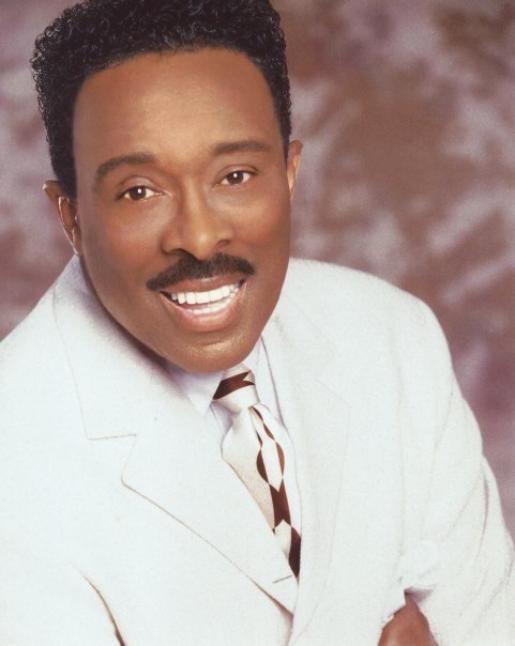
Jessy Dixon’s Spotify BioOne of the leading names in gospel music, Jessy Dixon has written some of the most recognizable songs in the genre. Born in San Antonio, TX, Dixon showed a talent for songwriting at a young age, eventually moving out to Chicago as a teenager to try and make a name for himself. He was soon discovered by singer James Cleveland, who would go on to record several of his compositions. Word spread about his talents, and soon he was singing live to much acclaim. He began touring with Paul Simon as a member of his band and they continued to collaborate after the tour on the next two Simon albums. In his own career, Dixon recorded his debut single "It's All Right Now" with producer Andrae Crouch. It became a modest success, and the next few singles built on that success until he was soon one of the premiere names in gospel at the time. In 1993 he recorded his biggest single, "I Am Redeemed," an enormous success in the gospel world that stayed on the Christian charts for almost five years. He… continued his solo career as well as writing songs for Amy Grant, Natalie Cole, Cher, and Diana Ross. His participation in Bill and Gloria Gaither's videos and tours have also led to many collaborations with the couple. He has continued to work in the gospel industry steadily through 2001, releasing albums and touring hundreds of days a year. ~ Bradley Torreano, Rovi
Viberate is a music analytics platform built for A&Rs, artist managers, labels, booking agents, marketers, and artists.
It helps music professionals track artist growth, analyze audience data, monitor playlist activity, compare artists, follow song performance, and identify opportunities across the music market.
Public artist pages provide a free preview of selected artist data. Paid plans provide access to deeper analytics, historical data, charts, comparisons, playlist tools, exports, alerts, reports, and additional professional features.
Yes. Public Viberate artist pages provide selected artist analytics and music data for free.
Viberate also offers a 7-day free trial of the full platform. A credit card is required to start the trial. The trial includes access to the complete product so users can test deeper artist analytics, historical views, playlist insights, comparisons, charts, exports, alerts, and reporting features before choosing a paid plan.
Viberate provides artist analytics across streaming, playlists, social media, video, radio airplay, songs, and audience markets.
Users can analyze Spotify performance, Spotify and Apple Music playlists, YouTube activity, TikTok and Instagram growth, radio spins, song performance, audience locations, demographics, rankings, and overall artist momentum.
Artist profiles also connect to music charts, similar artists, and comparison tools, helping users benchmark performance and evaluate artists in context.
Viberate updates key artist and track data daily.
For followed artists and tracks, selected data is refreshed multiple times per day. This helps teams monitor playlist changes, streaming movement, audience growth, releases, and campaign performance with more current data.
Update frequency can vary depending on the metric and data source.
Yes. Viberate lets users compare up to five artists side by side across streaming, social media, audience, and engagement metrics.
Users can compare fanbase growth, audience demographics, locations, Spotify performance, social metrics, and other artist data over selected time periods.
Artist comparison can be used for A&R scouting, benchmarking, booking decisions, campaign planning, and evaluating artists with similar audiences or market positions.