Jessie Hill

Blues
Classic Blues
Blues Rock
 Viberate Rank: 249116
 Viberate Rank: 249116
 Monthly ListenersFollowers
 Subscribers
 Followers
 Followers
 FansTop Spotify Songs
| Track | 7-Day Streams | |
|---|---|---|
1 | 2.91K | |
2 | 2.91K | |
3 | 2.83K | |
4 | 376 | |
5 | 348 |
Top YouTube VideosMonthly ListenersFeatured in Playlists| Playlist | Followers | |
|---|---|---|
1 |  Mardi Gras Nicholas Persac | 15.67K |
2 |  El Sótano de Radio 3 Groovyfamily | 9.84K |
3 |  New Orleans Funk diego319 | 8.19K |
4 | HBO's Treme - The Complete Soundtrack hawkinsdp | 7.90K |
5 |  Mardi Gras Party ⚜💜💛💚 Kay Kay 💜 | 7.68K |
Audience| City | Monthly Listeners | |
|---|---|---|
1 | | 206 |
2 |  | 121 |
3 | | 103 |
4 | | 98 |
5 | | 98 |
See full performance history, audience data, playlist activity, rankings, comparisons, and more in Viberate music analytics. Start with a free trial, then continue with a paid plan.
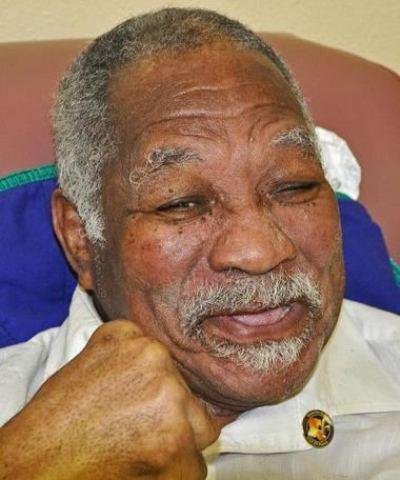
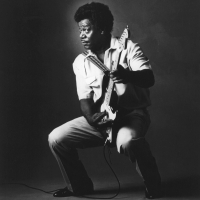
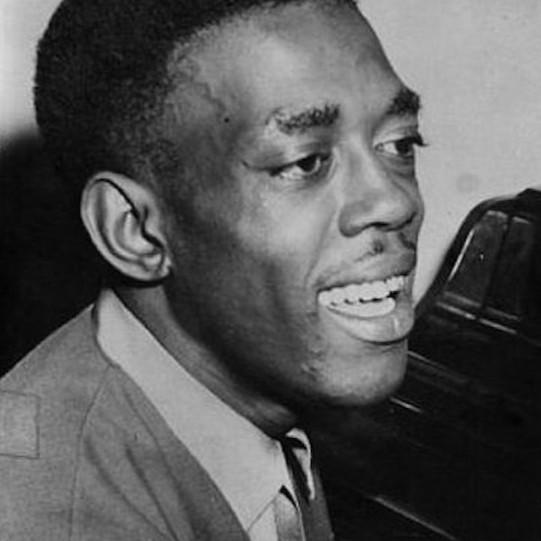
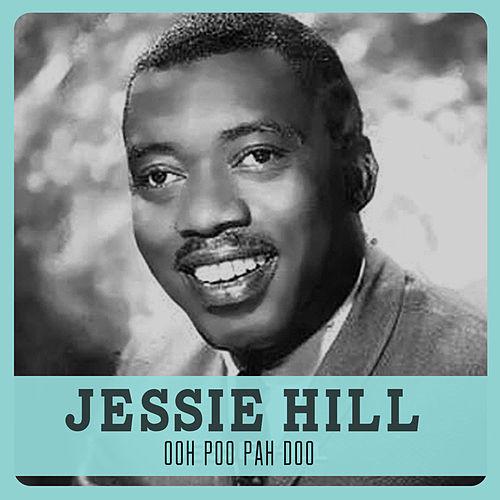
Jessie Hill’s Spotify BioBest remembered for the classic "Ooh Poo Pah Doo," New Orleans R&B legend Jessie Hill was born in the Crescent City's Ninth Ward district on December 9, 1932. Raised alongside the likes of Eddie Bo, Oliver Morgan, and Prince La La, it was almost inevitable that he would pursue a career in music, and by his teens he was playing drums in bands fronted by Kid Arnestine and Freddie Domino. In 1951 Hill formed his own group, the House Rockers, with guitarist Little Eddie Lang and siblings Melvin and David Lastie on trumpet and saxophone. The group played local country & western bars for about a year, touring the northern U.S. in support of a drag troupe led by Bobby Marchan before splitting. Upon returning to New Orleans, Hill played drums behind Professor Longhair. No recordings of their collaboration exist, but according to observers, he was the most sympathetic and complementary percussionist Longhair ever enjoyed. He then served with Huey "Piano" Smith & the Clowns before forming a new… version of the House Rockers in 1958. In addition to David Lastie, this lineup included guitarist Alvin "Shine" Robinson, bassist Richard Payne, and a drummer, John Boudreaux, which enabled Hill to focus solely on frontman duties.
The origins of "Ooh Poo Pah Doo" reportedly lie with a local pianist known only as Big Four. A drunk who played the club Shy Guy's Place for booze and tips, he once performed the song with the House Rockers in attendance, and Hill scribbled the lyrics and melody on a paper sack, later fleshing it all out with an intro cribbed from Dave Bartholomew. Its dubious evolution notwithstanding, "Ooh Poo Pah Doo" remains one of the classics of New Orleans R&B. A nonsensical yet rollicking call-and-response workout that perfectly captures the energy of French Quarter life, it was honed to a fine edge on-stage before Hill cut a demo that he shopped to local labels, among them Joe Ruffino's Ric and Ron imprints. Ruffino passed, but recommended Hill pitch Joe Banashak's Minit, which agreed to book session time at Cosimo Matassa's Cosimo's Studio. The resulting date would prove the first production credit notched by the great Allen Toussaint, and upon its early 1960 release, "Ooh Poo Pah Doo" first emerged as a favorite at Mardi Gras. Eventually, the single broke nationally, selling 800,000 copies on its way to cracking the Billboard R&B Top Five and the pop Top 30. Hill took the House Rockers on a national tour that culminated with an appearance at New York City's legendary Apollo Theater, but his accounting practices so angered the other members of the band that it dissolved prior to a performance in Washington, D.C.
After returning to New Orleans, Hill re-entered the studio to cut "Whip It on Me," which briefly entered the Billboard Hot 100 before disappearing from sight. The follow-up, "Scoop Scoobie Doobie," was a massive local hit but failed to catch on nationally. Subsequent Minit efforts including "I Got Mine" and "Oogsey Moo" made little impact, and after a last stab to recapture his initial success with "I Can't Get Enough of That Ooh Poo Pah Doo," Hill left the label in 1962. In an effort to reignite his career he moved to California. There he befriended fellow bayou expatriates Harold Battiste, Dave Dixon, and Mac Rebennack (the future Dr. John), who convinced him to temporarily sideline his performing career in favor of songwriting. In the years to follow everyone from Ike & Tina Turner to Sonny & Cher recorded Hill's songs, and he even wrote with Willie Nelson. In 1972, he signed to the Blue Thumb label to cut a solo LP, Naturally, an ambitious but deeply flawed effort that sold scant few copies. Despite his success on the West Coast, Hill nevertheless suffered financial difficulties exacerbated by his growing drinking problem. After a disagreement with Battiste he quit his staff songwriting gig, and while serving a stint in Los Angeles County Jail for an accumulation of traffic warrants, his car, which contained all of his songwriting material, was stolen.
Hill ultimately returned to New Orleans in 1977, but after coming home he found little in the way of either live dates or songwriting work, and for a time he drove his own taxi, a black Cadillac dubbed "The Poo Cab." As his drinking and narcotics use escalated, however, he racked up a series of DWI infractions, and in short order lost his license altogether. His occasional live appearances were typically train wrecks, hastily assembled affairs performed with pickup bands, and for a time Hill was homeless. Several benefit gigs were held in his honor, but did little to revive his personal or professional fortunes. Hill finally succumbed to heart and kidney failure on September 17, 1996, and his body was laid to rest under a plywood grave marker in New Orleans' Holt Cemetery. ~ Jason Ankeny, Rovi
Viberate is a music analytics platform built for A&Rs, artist managers, labels, booking agents, marketers, and artists.
It helps music professionals track artist growth, analyze audience data, monitor playlist activity, compare artists, follow song performance, and identify opportunities across the music market.
Public artist pages provide a free preview of selected artist data. Paid plans provide access to deeper analytics, historical data, charts, comparisons, playlist tools, exports, alerts, reports, and additional professional features.
Yes. Public Viberate artist pages provide selected artist analytics and music data for free.
Viberate also offers a 7-day free trial of the full platform. A credit card is required to start the trial. The trial includes access to the complete product so users can test deeper artist analytics, historical views, playlist insights, comparisons, charts, exports, alerts, and reporting features before choosing a paid plan.
Viberate provides artist analytics across streaming, playlists, social media, video, radio airplay, songs, and audience markets.
Users can analyze Spotify performance, Spotify and Apple Music playlists, YouTube activity, TikTok and Instagram growth, radio spins, song performance, audience locations, demographics, rankings, and overall artist momentum.
Artist profiles also connect to music charts, similar artists, and comparison tools, helping users benchmark performance and evaluate artists in context.
Viberate updates key artist and track data daily.
For followed artists and tracks, selected data is refreshed multiple times per day. This helps teams monitor playlist changes, streaming movement, audience growth, releases, and campaign performance with more current data.
Update frequency can vary depending on the metric and data source.
Yes. Viberate lets users compare up to five artists side by side across streaming, social media, audience, and engagement metrics.
Users can compare fanbase growth, audience demographics, locations, Spotify performance, social metrics, and other artist data over selected time periods.
Artist comparison can be used for A&R scouting, benchmarking, booking decisions, campaign planning, and evaluating artists with similar audiences or market positions.