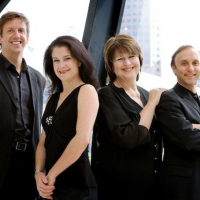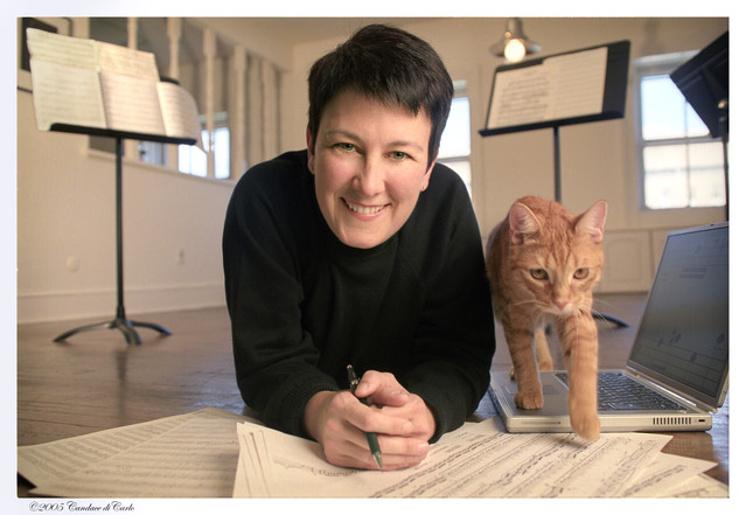
Jennifer Higdon

Classical
Chamber Music
 Viberate Rank: 384889
 Viberate Rank: 384889
 Monthly ListenersFollowers
 Subscribers
 Followers
 Followers
 FansTop Spotify Songs
| Track | 7-Day Streams | |
|---|---|---|
1 | 361 | |
2 | 301 | |
3 | 285 | |
4 | 221 | |
5 | 170 |
Top YouTube VideosMonthly ListenersFeatured in Playlists| Playlist | Followers | |
|---|---|---|
1 | 1200 Years of Women Composers Ulysses' Classical | 14.93K |
2 |  NPR Classical NPR Music | 14.43K |
3 |  Neo Classicals Alen Golpashin | 7.79K |
4 |  Oboe Solos I Like ❤️ Collin | 7.11K |
5 |  Night Tracks on BBC Radio 3 Hannah Peel | 5.85K |
Audience| City | Monthly Listeners | |
|---|---|---|
1 |  | 137 |
2 | | 131 |
3 | | 95 |
4 | | 70 |
5 | | 67 |
See full performance history, audience data, playlist activity, rankings, comparisons, and more in Viberate music analytics. Start with a free trial, then continue with a paid plan.
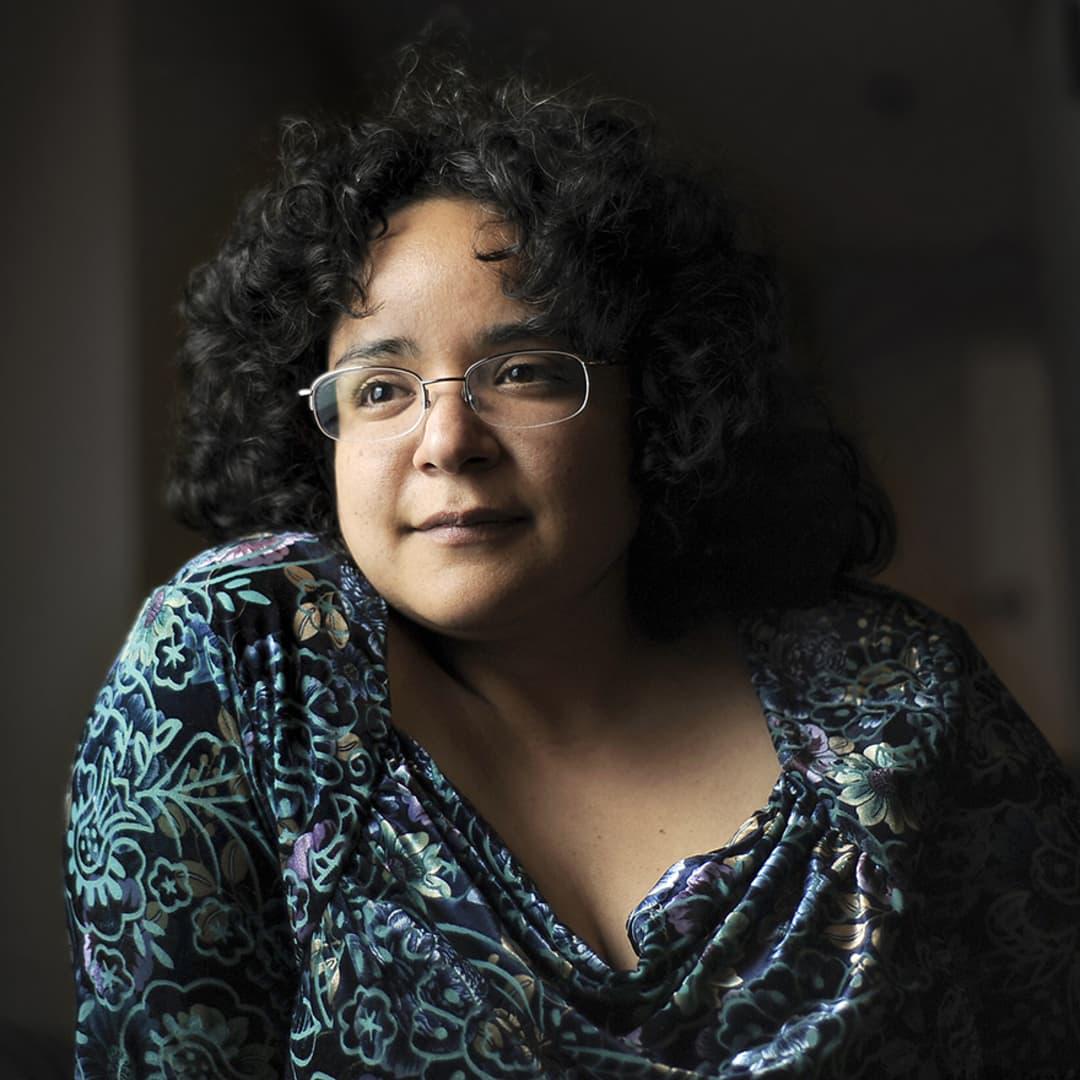
Jennifer Higdon’s Spotify BioJennifer Higdon is one of the leading American composers from the turn of the 21st century era. Her earliest compositions date to the early '80s, but she emerged as an important figure in the period of the new millennium with such orchestra works as blue cathedral (1999), City Scape (2002), and Concerto for Orchestra (2002). She has been prolific and versatile, producing music in most instrumental and vocal genres.
Higdon was born in Brooklyn, New York, on December 31, 1962. Raised in Atlanta, Georgia, and Seymour, Tennessee, she taught herself to play the flute at 15. Her advanced studies in music were at Bowling Green State University (B.M. in flute performance), the University of Pennsylvania (M.A. and Ph.D. in composition), and the Curtis Institute of Music (Artist Diploma). Her composition teachers included George Crumb and Ned Rorem. Higdon eventually settled in Philadelphia, the home of the latter two schools. Higdon did not begin composing until she was 21; her first works were… When Souls Meet (1982) and The Jeffrey Mode (1984), scored for flute and piano. At Bowling Green State University, Higdon met Robert Spano in 1985, the conductor who would champion her cause with his highly praised 2004 Telarc recording of her Concerto for Orchestra and City Scape with his Atlanta Symphony Orchestra. This album captured four Grammy nominations, including for Best Classical Contemporary Composition.
In 1994, Higdon joined the faculty of the Curtis Institute of Music to teach composition. She was promoted to professor in 2001. By the mid-'90s, she was producing works in larger forms. Shine (1995), her second orchestral work, was premiered at the 1996 Indiana State University's Festival of Contemporary Music and later given USA Today's award for Best Contemporary Piece. She attracted numerous commissions soon afterward, several from the most important American orchestras, including the Philadelphia Orchestra, the Chicago and Atlanta Symphony Orchestras, and many others. The Philadelphia Orchestra commission was met by her highly successful Concerto for Orchestra, in 2002.
Higdon received a string of awards and citations in the early years of the new century, including an Artist's Fellowship from the Pennsylvania Council on the Arts (2000), Composer-in-Residence at the Tanglewood Festival of Contemporary Music (2002), and Composer of the Year from the Pittsburgh Symphony Orchestra (2005). Among her other compositions are her 2006 chamber pieces String Poetic for violin and piano and Splendid Wood for marimba ensemble. In 2010, Higdon was awarded the Grammy for Best Contemporary Classical Composition for her Percussion Concerto (2008) and the Pulitzer Prize for Music for her Violin Concerto (2009). A commission from several different orchestras culminated in her Harp Concerto (2018), which was dedicated to Yolanda Kondonassis. Kondonassis joined the Rochester Philharmonic Orchestra (one of the commissioning orchestras), and conductor Ward Stare on a 2019 Naxos release featuring the concerto's world premiere. This recording won the 2020 Grammy Award for Best Contemporary Classical Composition.
Viberate is a music analytics platform built for A&Rs, artist managers, labels, booking agents, marketers, and artists.
It helps music professionals track artist growth, analyze audience data, monitor playlist activity, compare artists, follow song performance, and identify opportunities across the music market.
Public artist pages provide a free preview of selected artist data. Paid plans provide access to deeper analytics, historical data, charts, comparisons, playlist tools, exports, alerts, reports, and additional professional features.
Yes. Public Viberate artist pages provide selected artist analytics and music data for free.
Viberate also offers a 7-day free trial of the full platform. A credit card is required to start the trial. The trial includes access to the complete product so users can test deeper artist analytics, historical views, playlist insights, comparisons, charts, exports, alerts, and reporting features before choosing a paid plan.
Viberate provides artist analytics across streaming, playlists, social media, video, radio airplay, songs, and audience markets.
Users can analyze Spotify performance, Spotify and Apple Music playlists, YouTube activity, TikTok and Instagram growth, radio spins, song performance, audience locations, demographics, rankings, and overall artist momentum.
Artist profiles also connect to music charts, similar artists, and comparison tools, helping users benchmark performance and evaluate artists in context.
Viberate updates key artist and track data daily.
For followed artists and tracks, selected data is refreshed multiple times per day. This helps teams monitor playlist changes, streaming movement, audience growth, releases, and campaign performance with more current data.
Update frequency can vary depending on the metric and data source.
Yes. Viberate lets users compare up to five artists side by side across streaming, social media, audience, and engagement metrics.
Users can compare fanbase growth, audience demographics, locations, Spotify performance, social metrics, and other artist data over selected time periods.
Artist comparison can be used for A&R scouting, benchmarking, booking decisions, campaign planning, and evaluating artists with similar audiences or market positions.