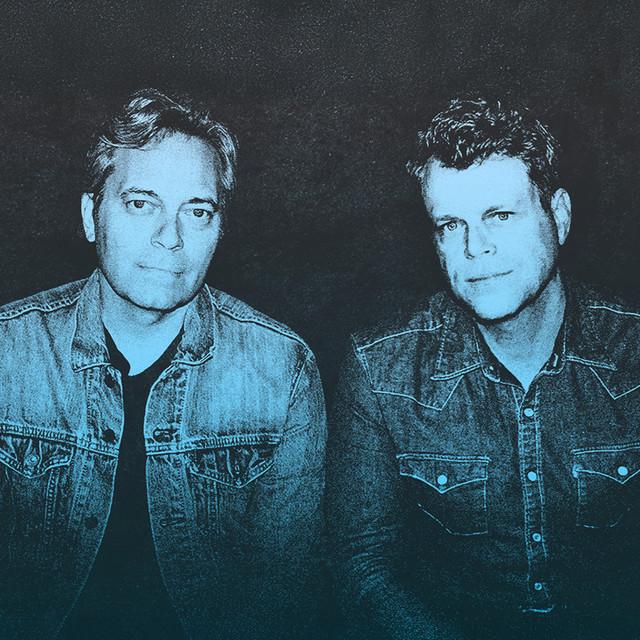
Jeffrey Gaines

Rock
Folk Rock
 Viberate Rank: 194229
 Viberate Rank: 194229
 Monthly ListenersFollowers
 Subscribers
 Followers
 Followers
 FansTop Spotify Songs
| Track | 7-Day Streams | |
|---|---|---|
1 | 12.28K | |
2 | 3.38K | |
3 | 639 | |
4 | 393 | |
5 | 272 |
Top YouTube VideosMonthly ListenersFeatured in Playlists| Playlist | Followers | |
|---|---|---|
1 | While You Work (@whileyouwork) Eli Feghali | 81.75K |
2 | Monday Blues Kevin Bacon | 22.20K |
3 | 90s & 00s Acoustic Versions Mo Yang | 13.21K |
4 | Road Trip + listdmusic | 9.80K |
5 | Wedding Reception Background Music looneycat | 7.23K |
Audience| City | Monthly Listeners | |
|---|---|---|
1 | | 604 |
2 | | 574 |
3 | | 554 |
4 |  | 529 |
5 | | 473 |
See full performance history, audience data, playlist activity, rankings, comparisons, and more in Viberate music analytics. Start with a free trial, then continue with a paid plan.
Jeffrey Gaines’ Spotify BioJeffrey Gaines brought a unique, original voice to the sea of singer/songwriters that emerged in the 1990s. Born and raised in Harrisburg, Pennsylvania, Gaines studied drawing and painting as a child, but became interested in singing while in his teens, joining local cover bands and taking his cue from the recordings of musicians like John Lennon, David Bowie, Paul Weller, Ray Davies, and Elvis Costello. After high school, Gaines was offered the singer slot for a New York rock & roll band, but turned it down to move to Philadelphia, where he signed with Chrysalis Records in 1990. His self-titled 1992 debut, featuring the Band's Garth Hudson on saxophone, organ, and accordion, drew critical praise from far and wide, and put him on the musical map as an introspective folk-rock artist. The hookier, more rock-oriented Somewhat Slightly Dazed followed in 1994 and marked the end of Gaines' tenure with Chrysalis.
In 1998 Gaines returned with Galore, this time via the Rykodisc label. Always Be,… released in 2001, contained a stripped-down cover of Peter Gabriel's 1986 hit "In Your Eyes," a longtime staple of Gaines' concerts and a song he'd become associated with by many fans. Later that same year he was invited by producer Nile Rodgers to sing on the album We Are Family, which benefited victims of the 9/11 attacks in New York. Still riding some of the success of the "In Your Eyes" single, Gaines paired up with producer Mitchell Froom to record 2003's Toward the Sun, his second release for Artemis Records. Throughout the next decade, he focused largely on touring both in the U.S. and Europe, releasing the acoustic Jeffrey Gaines Live in 2004 followed in 2012 by Live in Europe, which was captured during a tour supporting Joe Jackson. In 2018, 15 years after his last studio effort, Gaines returned with his sixth album, Alright. ~ Richard Skelly, Rovi
Viberate is a music analytics platform built for A&Rs, artist managers, labels, booking agents, marketers, and artists.
It helps music professionals track artist growth, analyze audience data, monitor playlist activity, compare artists, follow song performance, and identify opportunities across the music market.
Public artist pages provide a free preview of selected artist data. Paid plans provide access to deeper analytics, historical data, charts, comparisons, playlist tools, exports, alerts, reports, and additional professional features.
Yes. Public Viberate artist pages provide selected artist analytics and music data for free.
Viberate also offers a 7-day free trial of the full platform. A credit card is required to start the trial. The trial includes access to the complete product so users can test deeper artist analytics, historical views, playlist insights, comparisons, charts, exports, alerts, and reporting features before choosing a paid plan.
Viberate provides artist analytics across streaming, playlists, social media, video, radio airplay, songs, and audience markets.
Users can analyze Spotify performance, Spotify and Apple Music playlists, YouTube activity, TikTok and Instagram growth, radio spins, song performance, audience locations, demographics, rankings, and overall artist momentum.
Artist profiles also connect to music charts, similar artists, and comparison tools, helping users benchmark performance and evaluate artists in context.
Viberate updates key artist and track data daily.
For followed artists and tracks, selected data is refreshed multiple times per day. This helps teams monitor playlist changes, streaming movement, audience growth, releases, and campaign performance with more current data.
Update frequency can vary depending on the metric and data source.
Yes. Viberate lets users compare up to five artists side by side across streaming, social media, audience, and engagement metrics.
Users can compare fanbase growth, audience demographics, locations, Spotify performance, social metrics, and other artist data over selected time periods.
Artist comparison can be used for A&R scouting, benchmarking, booking decisions, campaign planning, and evaluating artists with similar audiences or market positions.