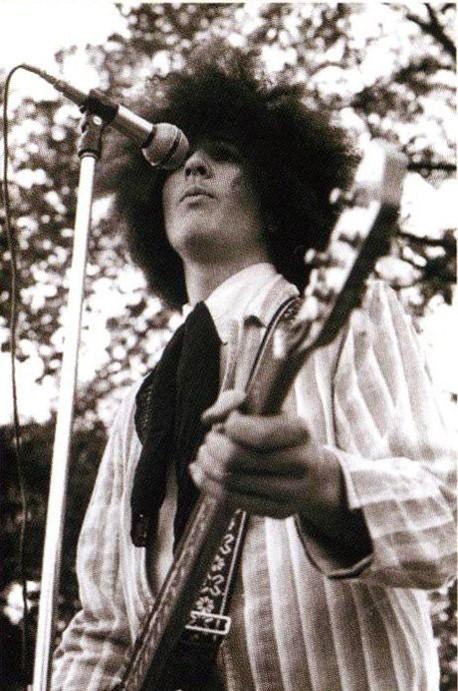
Jeff Simmons

Rock
Alternative Rock
Garage Rock
 Viberate Rank: 451319
 Viberate Rank: 451319
 Monthly ListenersFollowers
 Subscribers
 Followers
 Followers
 FansTop Spotify Songs
| Track | 7-Day Streams | |
|---|---|---|
1 | 1.09K | |
2 | 205 | |
3 | 91 | |
4 | 72 | |
5 | 61 |
Top YouTube VideosMonthly ListenersFeatured in Playlists| Playlist | Followers | |
|---|---|---|
1 |  The American Dream ✨ The Sandlot Vintage | 64.97K |
2 |  70s Proto-Metal, Heavy Psych & Obscure Hard Rock Jordan Edrei | 11.27K |
3 | The American Dreamcatcher✨ TuBoc | 6.07K |
4 |  Off Your Face anton newcombe | 5.86K |
5 | Psychedelic 60s Acid Rock & Heavy Psychadelia byggavdelningen | 5.51K |
Audience| City | Monthly Listeners | |
|---|---|---|
1 | | 69 |
2 | | 68 |
3 | | 53 |
4 |  | 52 |
5 |  | 46 |
See full performance history, audience data, playlist activity, rankings, comparisons, and more in Viberate music analytics. Start with a free trial, then continue with a paid plan.
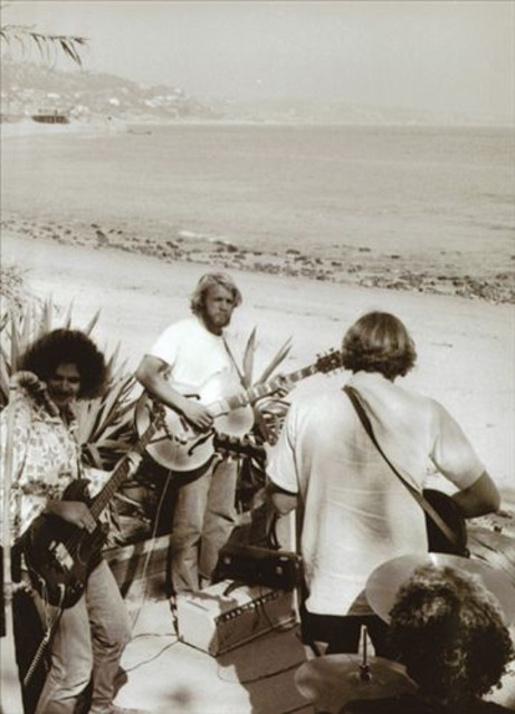
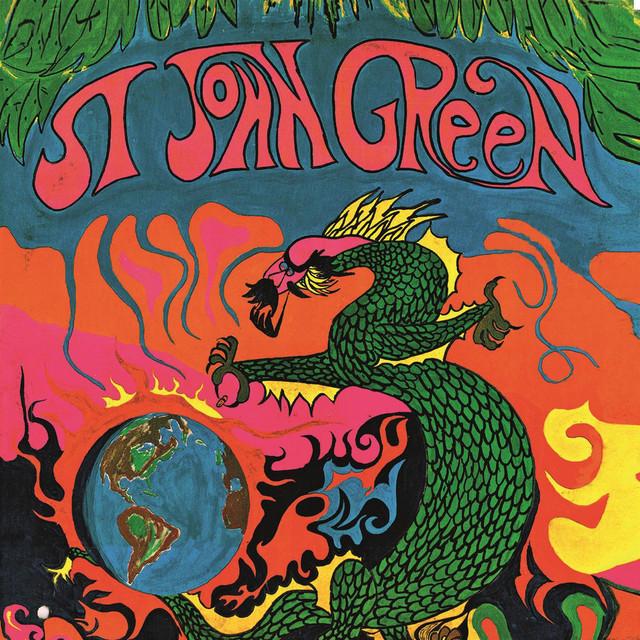
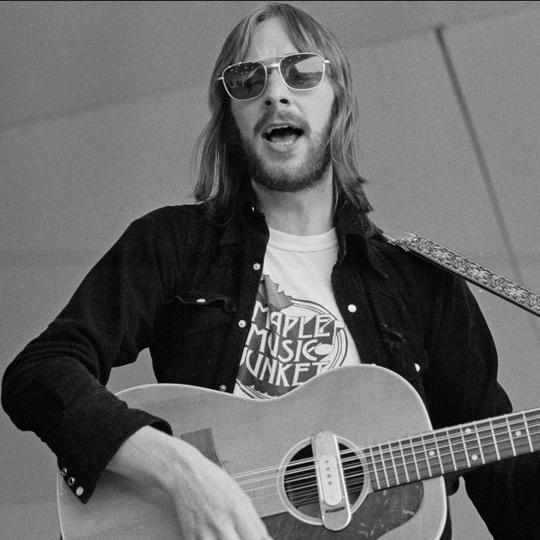
Jeff Simmons’ Spotify BioThe longtime bassist for Frank Zappa's Mothers of Invention, Jeff Simmons also issued a rare solo LP for Zappa's Straight imprint, the 1970 cult classic Lucille Has Messed My Mind Up. Born and raised in Seattle, Simmons first earned local notoriety as the singer/guitarist for Indian Puddin' & Pipe, a popular Pacific Northwest psychedelic band that in 1967 signed with producer Matthew Katz's San Francisco Sound label. Katz -- the infamously unscrupulous manager of Moby Grape, It's a Beautiful Day, and other luminaries of the San Francisco psych scene -- structured his contracts so that different lineups could appear under a given group's name anytime and anywhere he desired, and he ultimately bestowed the Indian Puddin' & Pipe moniker on a rival Seattle act previously known as the West Coast Natural Gas. Left without legal recourse, Simmons and his bandmates (guitarist Peter Larson, bassist Phil Kirby, and drummer Albert Malosky) returned to Seattle and rechristened themselves Easy… Chair, issuing their one-sided, self-titled debut LP on the Vanco label in 1968. After another name change, this time to Ethiopia, the group opened for the Mothers of Invention in Seattle and later appeared alongside Wild Man Fischer, Alice Cooper, and the GTOs at Bizarre Records' legendary "Gala Pre-Xmas Bash" at Santa Monica's Shrine Exhibition Hall in early December of 1968. Zappa soon after convinced Ethiopia to relocate to Los Angeles, pairing the group with producers Jerry Yester and Val Zanofsky. When nothing concrete emerged from the sessions, the group dissolved but Zappa quickly offered Simmons his own two-record deal with Straight. The first, a largely instrumental soundtrack to an obscure biker film titled Naked Angels, features a series of acid-fuzz guitar jams. It was immediately followed by Lucille Has Messed My Mind Up, a more conventionally song-oriented psychedelic opus produced by Zappa under the alias LaMarr Bruister. The album generated little attention outside of Zappa cultists, however, and Simmons was installed as bassist for the Mothers of Invention's late 1970 LP Chunga's Revenge. He left the group during production on Zappa's feature film project 200 Motels, but later returned to the fold for albums including Waka/Jawaka and Roxy & Elsewhere. By the 1980s Simmons returned to Seattle, fronting a series of local acts including the Backtrackers and Cocktails for Ladies. He also wrote an unpublished memoir, I Joined the Mothers of Invention...for the FBI, and in 2005 released Blue Universe, his first new solo material in 35 years. ~ Jason Ankeny, Rovi
Viberate is a music analytics platform built for A&Rs, artist managers, labels, booking agents, marketers, and artists.
It helps music professionals track artist growth, analyze audience data, monitor playlist activity, compare artists, follow song performance, and identify opportunities across the music market.
Public artist pages provide a free preview of selected artist data. Paid plans provide access to deeper analytics, historical data, charts, comparisons, playlist tools, exports, alerts, reports, and additional professional features.
Yes. Public Viberate artist pages provide selected artist analytics and music data for free.
Viberate also offers a 7-day free trial of the full platform. A credit card is required to start the trial. The trial includes access to the complete product so users can test deeper artist analytics, historical views, playlist insights, comparisons, charts, exports, alerts, and reporting features before choosing a paid plan.
Viberate provides artist analytics across streaming, playlists, social media, video, radio airplay, songs, and audience markets.
Users can analyze Spotify performance, Spotify and Apple Music playlists, YouTube activity, TikTok and Instagram growth, radio spins, song performance, audience locations, demographics, rankings, and overall artist momentum.
Artist profiles also connect to music charts, similar artists, and comparison tools, helping users benchmark performance and evaluate artists in context.
Viberate updates key artist and track data daily.
For followed artists and tracks, selected data is refreshed multiple times per day. This helps teams monitor playlist changes, streaming movement, audience growth, releases, and campaign performance with more current data.
Update frequency can vary depending on the metric and data source.
Yes. Viberate lets users compare up to five artists side by side across streaming, social media, audience, and engagement metrics.
Users can compare fanbase growth, audience demographics, locations, Spotify performance, social metrics, and other artist data over selected time periods.
Artist comparison can be used for A&R scouting, benchmarking, booking decisions, campaign planning, and evaluating artists with similar audiences or market positions.