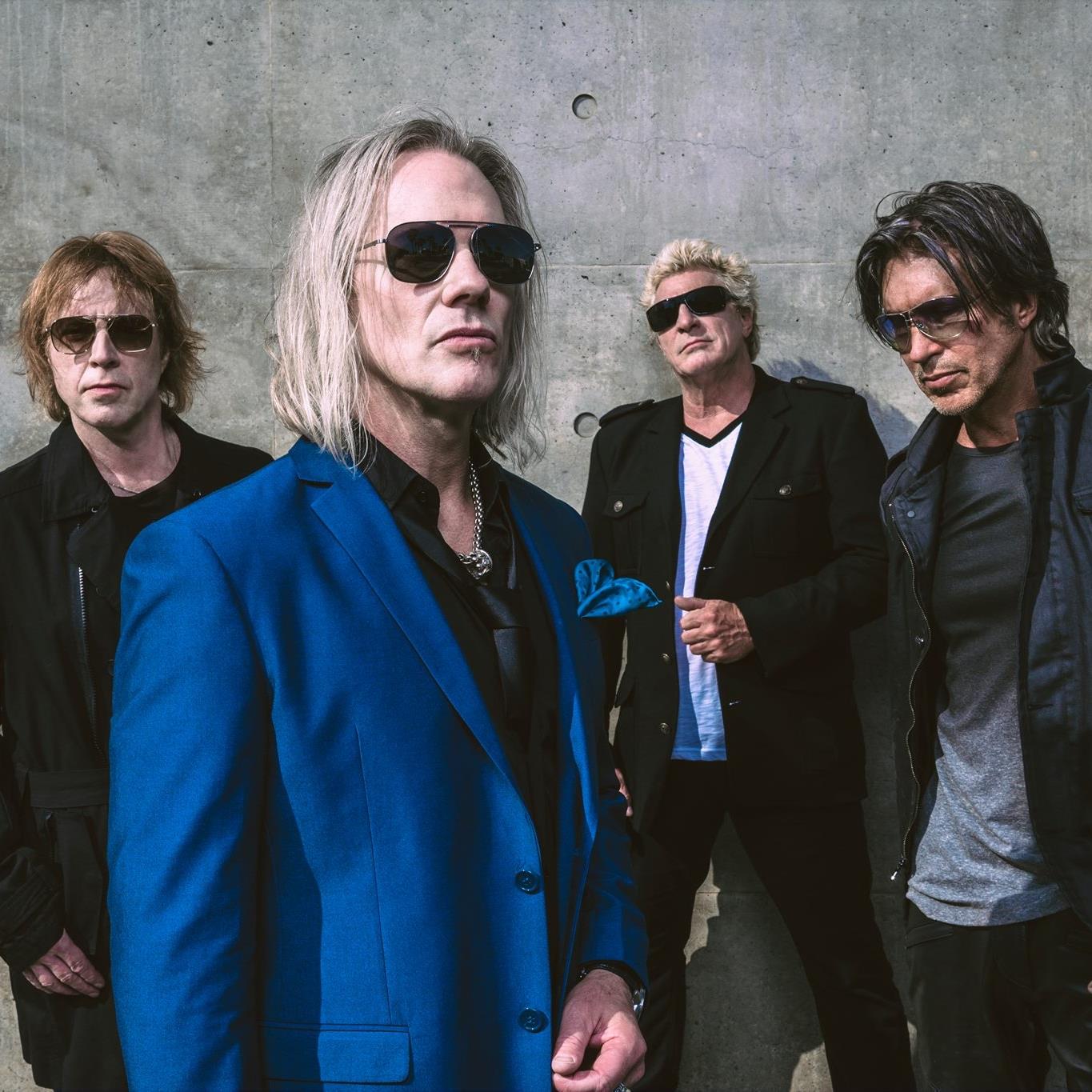
Jeff Pilson

Rock
Hard Rock
 Viberate Rank: 243082
 Viberate Rank: 243082
 Monthly ListenersFollowers
 Subscribers
 Followers
 Followers
 FansTop Spotify SongsTop YouTube VideosMonthly ListenersFeatured in Playlists
| Playlist | Followers | |
|---|---|---|
1 |  THRASH-METAL Manolin. | 11.82K |
2 |  Best of Numetal chase | 5.45K |
3 | 80s Metal Rock BLOODLUST | 4.71K |
4 |  The Sound of Hard Rock The Sounds of Spotify | 4.44K |
5 |  ACADEMIA PESADA RAP E ROCK (UEMA) Vitor Uema | 4.08K |
Audience| City | Monthly Listeners | |
|---|---|---|
1 |  | 55 |
2 |  | 35 |
3 | | 32 |
4 |  | 29 |
5 |  | 26 |
See full performance history, audience data, playlist activity, rankings, comparisons, and more in Viberate music analytics. Start with a free trial, then continue with a paid plan.
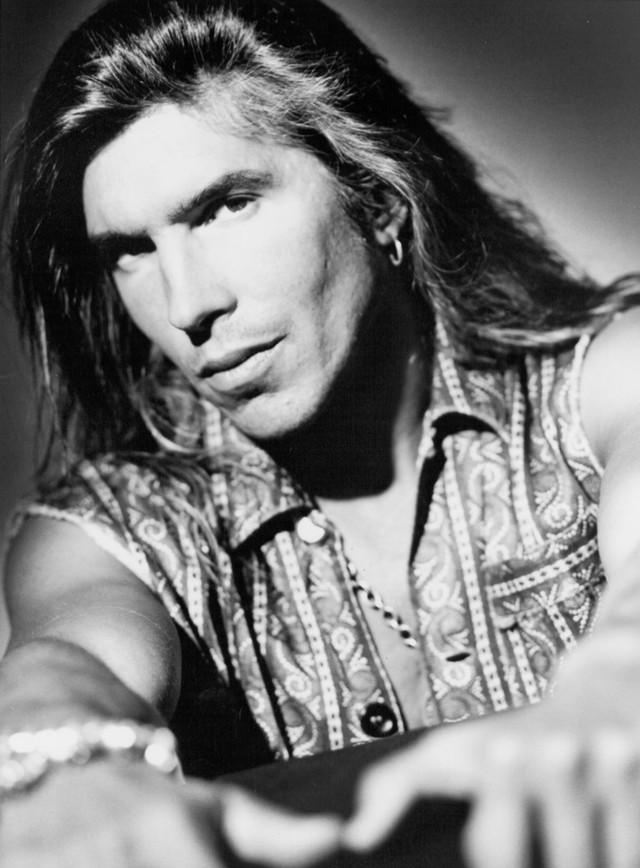
Jeff Pilson’s Spotify BioA stalwart and versatile rock & roll bassist who has spent over four decades in the business, Jeff Pilson is a multi-instrumentalist and producer best known for serving as the bass player for hard rock/glam-metal outfit Dokken.
A co-writer on many of Dokken's most successful songs, Pilson appeared on the platinum-selling studio albums Tooth and Nail (1984), Under Lock and Key (1985), and Back for the Attack (1987). He formed his own band, Flesh & Blood (later renamed War & Peace), after Dokken's breakup in 1989. He later joined Dio, appearing on Strange Highways (1993), Angry Machines (1996), and Master of the Moon (2004) before assuming bass duties for classic rockers Foreigner. Pilson's discography continued to expand in the 2010s via myriad projects with Dokken bandmate George Lynch (Lynch Mob, Lynch/Pilson, the End Machine). In 2020, he teamed up for an all-star endeavor with Dokken alums Robin McAuley and Reb Beach and Mr. Big drummer Matt Starr called Black Swan, and in 2022 he… joined guitarist Joel Hoekstra and drummer Deen Castronovo under the moniker Revolution Saints. In addition to his recording, performing, and production work, Pilson has succeeded as an actor, appearing in the 2001 film Rock Star and lending his voice to the 2011 video game Mortal Kombat. ~ James Christopher Monger, Rovi
Viberate is a music analytics platform built for A&Rs, artist managers, labels, booking agents, marketers, and artists.
It helps music professionals track artist growth, analyze audience data, monitor playlist activity, compare artists, follow song performance, and identify opportunities across the music market.
Public artist pages provide a free preview of selected artist data. Paid plans provide access to deeper analytics, historical data, charts, comparisons, playlist tools, exports, alerts, reports, and additional professional features.
Yes. Public Viberate artist pages provide selected artist analytics and music data for free.
Viberate also offers a 7-day free trial of the full platform. A credit card is required to start the trial. The trial includes access to the complete product so users can test deeper artist analytics, historical views, playlist insights, comparisons, charts, exports, alerts, and reporting features before choosing a paid plan.
Viberate provides artist analytics across streaming, playlists, social media, video, radio airplay, songs, and audience markets.
Users can analyze Spotify performance, Spotify and Apple Music playlists, YouTube activity, TikTok and Instagram growth, radio spins, song performance, audience locations, demographics, rankings, and overall artist momentum.
Artist profiles also connect to music charts, similar artists, and comparison tools, helping users benchmark performance and evaluate artists in context.
Viberate updates key artist and track data daily.
For followed artists and tracks, selected data is refreshed multiple times per day. This helps teams monitor playlist changes, streaming movement, audience growth, releases, and campaign performance with more current data.
Update frequency can vary depending on the metric and data source.
Yes. Viberate lets users compare up to five artists side by side across streaming, social media, audience, and engagement metrics.
Users can compare fanbase growth, audience demographics, locations, Spotify performance, social metrics, and other artist data over selected time periods.
Artist comparison can be used for A&R scouting, benchmarking, booking decisions, campaign planning, and evaluating artists with similar audiences or market positions.