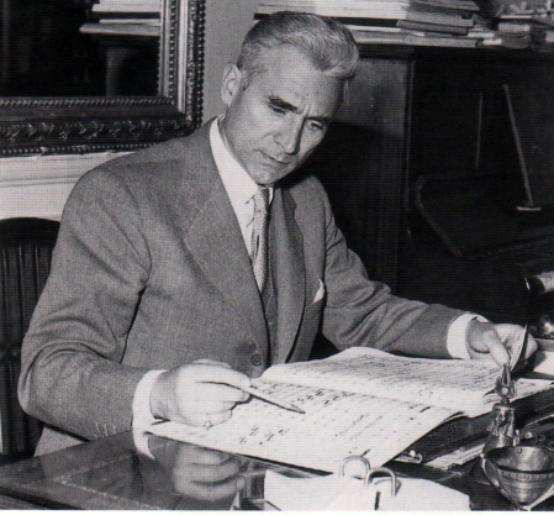
Jean Martinon

Classical
Orchestral
Chamber Music
 Viberate Rank: 285914
 Viberate Rank: 285914
 Monthly ListenersFollowers
 Subscribers
 Followers
 Followers
 FansTop Spotify Songs
| Track | 7-Day Streams | |
|---|---|---|
1 | 549 | |
2 | 345 | |
3 | 321 | |
4 | 317 | |
5 | 314 |
Top YouTube VideosMonthly ListenersFeatured in Playlists| Playlist | Followers | |
|---|---|---|
1 |  Haruki Murakami's vinyl collection Masamaro | 109.94K |
2 |  classical music that goes hard _nate | 45.43K |
3 |  Harp Classics Zeke Jacobsen | 11.88K |
4 | Haruki Murakami’s Personal Viny Collection Far Out Magazine | 9.44K |
5 |  Haruki Murakami's Personal Jazz Playlist Gonzalo | 9.24K |
Audience| City | Monthly Listeners | |
|---|---|---|
1 |  | 234 |
2 | | 212 |
3 |  | 160 |
4 |  | 119 |
5 |  | 107 |
See full performance history, audience data, playlist activity, rankings, comparisons, and more in Viberate music analytics. Start with a free trial, then continue with a paid plan.
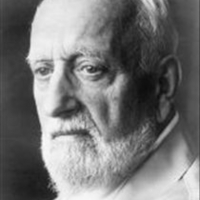
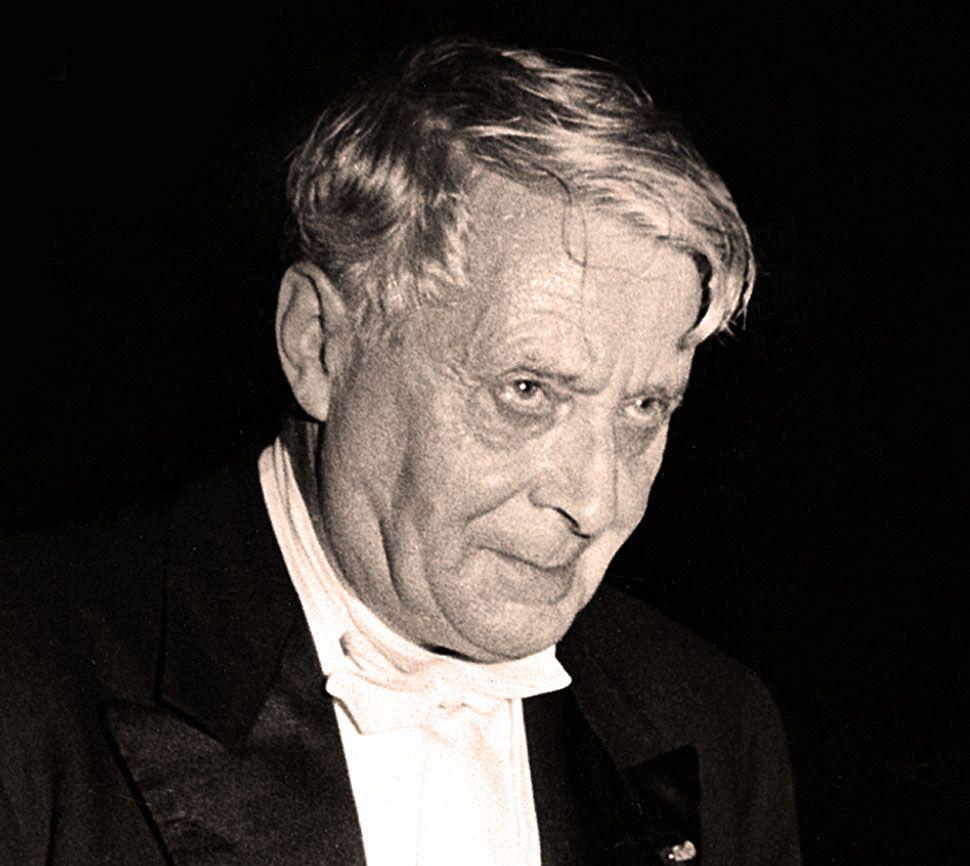
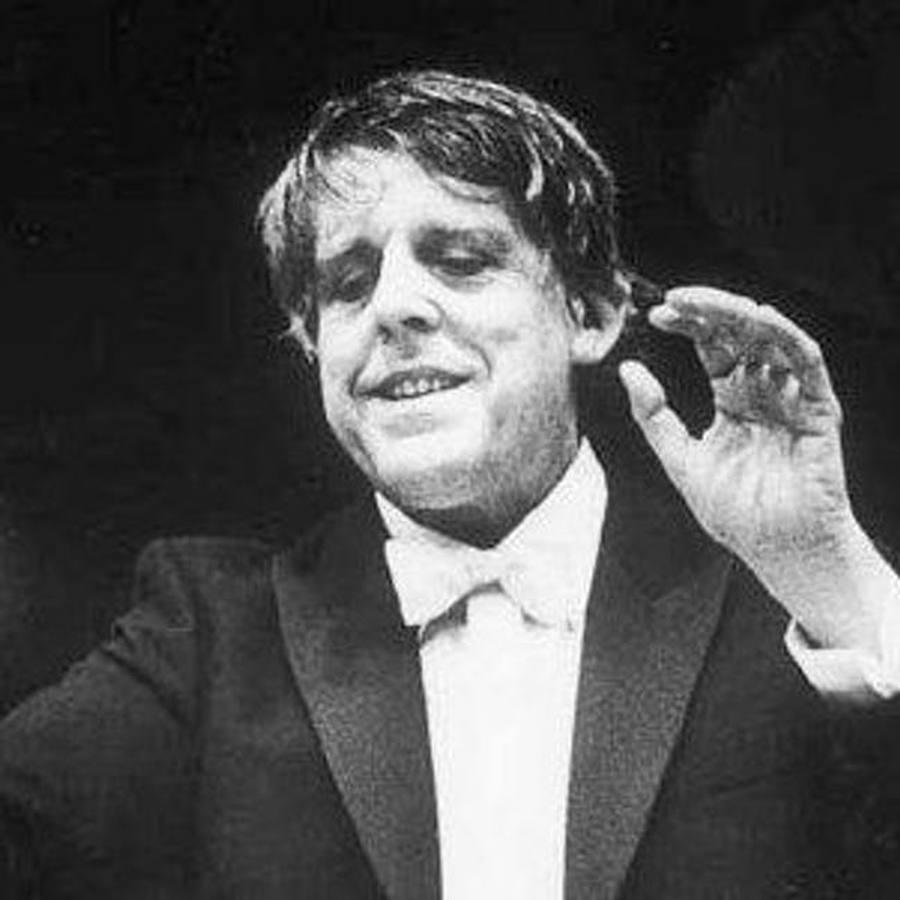
Jean Martinon’s Spotify BioIn the words of one of his biographers, conductor Jean Martinon's performances "were distinguished by a concern for translucent orchestral textures, and sustained by a subtle sense of rhythm and phrasing." Occasionally, "he stressed a poetic inflection at the expense of literal accuracy."
Martinon's first instrument was the violin; he studied at the Lyons Conservatory (1924-1925), then transferred to the Paris Conservatory, where he won first prize in violin upon his graduation in 1928. He subsequently studied composition, with Albert Roussel, and conducting, with Charles Munch and Roger Desormière. Until the outbreak of World War II, Martinon was primarily a composer. His early substantial works include a Symphoniette for piano, percussion, and strings (1935); Symphony No. 1 (1936); Concerto giocoso for violin and orchestra (1937); and a wind quintet (1938). At the start of the war he was drafted into the French army. Taken prisoner in 1940, he passed the next two years in a Nazi labor… camp. There, he wrote Stalag IX (Musique d'exil), an orchestral piece incorporating elements of jazz; during his internment, he also composed several religious works, including Absolve, Domine for male chorus and orchestra, and Psalm 136 (Chant des captifs), the latter receiving a composition prize from the city of Paris in 1946.
Upon his release from the Nazi camp, Martinon became conductor of the Bordeaux Symphony Orchestra (from 1943 to 1945) and assistant conductor of the Paris Conservatory Orchestra (from 1944 to 1946), then associate conductor of the London Philharmonic (from 1947 to 1949). He toured as a guest conductor as well, although his U.S. debut did not come until 1957, with the Boston Symphony giving the American premiere of his Symphony No. 2. Although he devoted as much time as he could to composing in the early postwar years -- producing a string quartet (1946), an "Irish" Symphony (1948), the ballet Ambohimanga (1946), and the opera Hécube (1949-1954) -- he was increasingly occupied with conducting, working with the Concerts Lamoureux (from 1951 to 1957), the Israel Philharmonic (from 1957 to 1959), and Düsseldorf Symphony Orchestra (from 1960 to 1966). In 1963, he succeeded Fritz Reiner as head of the Chicago Symphony. Martinon's tenure there was difficult. In five seasons, he conducted 60 works by modern European and American composers, and made a number of outstanding LPs for RCA, mostly of bracing twentieth century repertory in audiophile sound. Chicago's conservative music lovers soon sent him packing.
Martinon jumped at the chance to take over the French National Radio Orchestra in 1968; working with this ensemble, he recorded almost the entire standard French repertory for Erato and EMI. His earlier Erato efforts that focused on such secondary but nevertheless interesting figures as Roussel, Pierné, and Dukas, whereas EMI assigned him integral sets of the Saint-Saëns symphonies and the orchestral works of Debussy and Ravel, among other projects. In 1974, he was appointed principal conductor of the Residentie Orkest in The Hague, but he died before that relationship could bear much fruit.
Martinon resumed his career as a composer around 1960, writing his Violin Concerto No. 2 (1960) for Henryk Szeryng, his Cello Concerto (1964) for Pierre Fournier, and his Symphony No. 4 ("Altitudes"), composed in 1965, for the 75th anniversary of the Chicago Symphony. He acknowledged Prokofiev and Bartók as strong influences on his scores, which meld Expressionism with French Neoclassicism. Martinon continued composing into the 1970s, but he seldom recorded any of his own music, with the notable exceptions of the Second Symphony, "Hymne à la vie" (ORTF, for Barclay Inedits) and Fourth Symphony, "Altitudes" (Chicago SO, for RCA).
Viberate is a music analytics platform built for A&Rs, artist managers, labels, booking agents, marketers, and artists.
It helps music professionals track artist growth, analyze audience data, monitor playlist activity, compare artists, follow song performance, and identify opportunities across the music market.
Public artist pages provide a free preview of selected artist data. Paid plans provide access to deeper analytics, historical data, charts, comparisons, playlist tools, exports, alerts, reports, and additional professional features.
Yes. Public Viberate artist pages provide selected artist analytics and music data for free.
Viberate also offers a 7-day free trial of the full platform. A credit card is required to start the trial. The trial includes access to the complete product so users can test deeper artist analytics, historical views, playlist insights, comparisons, charts, exports, alerts, and reporting features before choosing a paid plan.
Viberate provides artist analytics across streaming, playlists, social media, video, radio airplay, songs, and audience markets.
Users can analyze Spotify performance, Spotify and Apple Music playlists, YouTube activity, TikTok and Instagram growth, radio spins, song performance, audience locations, demographics, rankings, and overall artist momentum.
Artist profiles also connect to music charts, similar artists, and comparison tools, helping users benchmark performance and evaluate artists in context.
Viberate updates key artist and track data daily.
For followed artists and tracks, selected data is refreshed multiple times per day. This helps teams monitor playlist changes, streaming movement, audience growth, releases, and campaign performance with more current data.
Update frequency can vary depending on the metric and data source.
Yes. Viberate lets users compare up to five artists side by side across streaming, social media, audience, and engagement metrics.
Users can compare fanbase growth, audience demographics, locations, Spotify performance, social metrics, and other artist data over selected time periods.
Artist comparison can be used for A&R scouting, benchmarking, booking decisions, campaign planning, and evaluating artists with similar audiences or market positions.