Big Joe Williams

Blues
Contemporary Blues
 Viberate Rank: 128194
 Viberate Rank: 128194
 Monthly ListenersFollowers
 Subscribers
 Followers
 Followers
 FansTop Spotify Songs
| Track | 7-Day Streams | |
|---|---|---|
1 | 6.26K | |
2 | 5.99K | |
3 | 1.48K | |
4 | 1.48K | |
5 | 1.48K |
Top YouTube VideosMonthly ListenersFeatured in Playlists| Playlist | Followers | |
|---|---|---|
1 |  The Sound of Everything The Sounds of Spotify | 53.82K |
2 |  Old/Delta Blues (1920s-1960s) Graylon | 52.02K |
3 | wicks Brennan McDowell | 43.73K |
4 | Best Blues Songs of All Time Rodrigo Sosa Diaz | 37.23K |
5 | Appalachian Folk Music mheld3 | 34.95K |
Audience| City | Monthly Listeners | |
|---|---|---|
1 |  | 440 |
2 | | 413 |
3 |  | 393 |
4 |  | 338 |
5 |  | 336 |
See full performance history, audience data, playlist activity, rankings, comparisons, and more in Viberate music analytics. Start with a free trial, then continue with a paid plan.
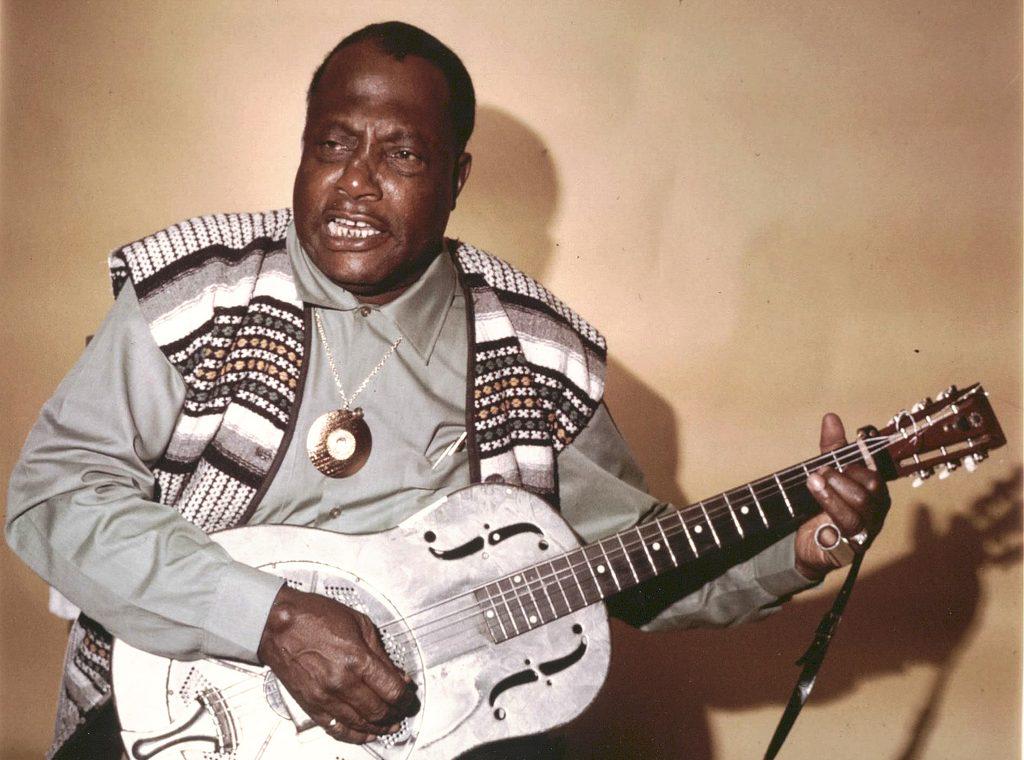
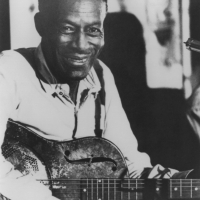
Big Joe Williams’ Spotify BioBig Joe Williams may have been the most cantankerous human being who ever walked the earth with guitar in hand. At the same time, he was an incredible blues musician: a gifted songwriter, a powerhouse vocalist, and an exceptionally idiosyncratic guitarist. Despite his deserved reputation as a fighter (documented in Michael Bloomfield's bizarre booklet Me and Big Joe), artists who knew him well treated him as a respected elder statesman. Even so, they may not have chosen to play with him, because -- as with other older Delta artists -- if you played with him you played by his rules.
As protégé David "Honeyboy" Edwards described him, Williams in his early Delta days was a walking musician who played work camps, jukes, store porches, streets, and alleys from New Orleans to Chicago. He recorded through five decades for Vocalion, OKeh, Paramount, Bluebird, Prestige, Delmark, and many others. According to Charlie Musselwhite, he and Big Joe kicked off the blues revival in Chicago in the '60s.…
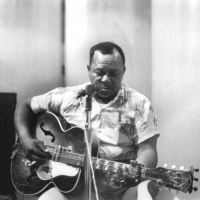
When appearing at Mike Bloomfield's "blues night" at The Fickle Pickle, Williams played an electric nine-string guitar through a small ramshackle amp with a pie plate nailed to it and a beer can dangling against that. When he played, everything rattled but Big Joe himself. The total effect of this incredible apparatus produced the most buzzing, sizzling, African-sounding music one would likely ever hear.
Anyone who wants to learn Delta blues must one day come to grips with the idea that the guitar is a drum as well as a melody-producing instrument. A continuous, African-derived musical tradition emphasizing percussive techniques on stringed instruments from the banjo to the guitar can be heard in the music of Delta stalwarts Charley Patton, Fred McDowell, and Bukka White. Each employed decidedly percussive techniques, beating on his box, knocking on the neck, snapping the strings, or adding buzzing or sizzling effects to augment the instrument's percussive potential. However, Big Joe Williams, more than any other major recording artist, embodied the concept of guitar-as-drum, bashing out an incredible series of riffs on his G-tuned nine-string for over 60 years. ~ Barry Lee Pearson, Rovi
Viberate is a music analytics platform built for A&Rs, artist managers, labels, booking agents, marketers, and artists.
It helps music professionals track artist growth, analyze audience data, monitor playlist activity, compare artists, follow song performance, and identify opportunities across the music market.
Public artist pages provide a free preview of selected artist data. Paid plans provide access to deeper analytics, historical data, charts, comparisons, playlist tools, exports, alerts, reports, and additional professional features.
Yes. Public Viberate artist pages provide selected artist analytics and music data for free.
Viberate also offers a 7-day free trial of the full platform. A credit card is required to start the trial. The trial includes access to the complete product so users can test deeper artist analytics, historical views, playlist insights, comparisons, charts, exports, alerts, and reporting features before choosing a paid plan.
Viberate provides artist analytics across streaming, playlists, social media, video, radio airplay, songs, and audience markets.
Users can analyze Spotify performance, Spotify and Apple Music playlists, YouTube activity, TikTok and Instagram growth, radio spins, song performance, audience locations, demographics, rankings, and overall artist momentum.
Artist profiles also connect to music charts, similar artists, and comparison tools, helping users benchmark performance and evaluate artists in context.
Viberate updates key artist and track data daily.
For followed artists and tracks, selected data is refreshed multiple times per day. This helps teams monitor playlist changes, streaming movement, audience growth, releases, and campaign performance with more current data.
Update frequency can vary depending on the metric and data source.
Yes. Viberate lets users compare up to five artists side by side across streaming, social media, audience, and engagement metrics.
Users can compare fanbase growth, audience demographics, locations, Spotify performance, social metrics, and other artist data over selected time periods.
Artist comparison can be used for A&R scouting, benchmarking, booking decisions, campaign planning, and evaluating artists with similar audiences or market positions.