Jason Cassidy

Country
Contemporary Country
Americana/Alt Country
 Viberate Rank: 172258
 Viberate Rank: 172258
 Monthly ListenersFollowers
 Subscribers
 Followers
 Followers
 FansTop Spotify Songs
| Track | 7-Day Streams | |
|---|---|---|
1 | 7.40K | |
2 | 735 | |
3 | 602 | |
4 | 438 | |
5 | 409 |
Top YouTube VideosMonthly ListenersFeatured in Playlists| Playlist | Followers | |
|---|---|---|
1 |  Ultimate Country Wedding Playlist Alina Dzukola | 10.94K |
2 | Red Dirt Scott Mead | 10.38K |
3 | MÚSICA COUNTRY tizana40 | 7.93K |
4 |  Jeep Playlist Tyler Ha | 7.90K |
5 | Country Wedding Songs Old and New Marty Wood | 6.73K |
Audience| City | Monthly Listeners | |
|---|---|---|
1 | | 704 |
2 | | 629 |
3 | | 407 |
4 | | 359 |
5 |  | 327 |
See full performance history, audience data, playlist activity, rankings, comparisons, and more in Viberate music analytics. Start with a free trial, then continue with a paid plan.
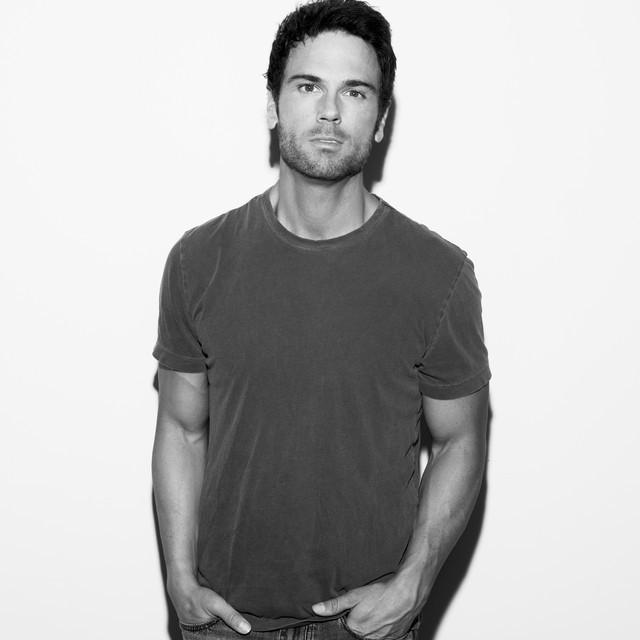
Jason Cassidy’s Spotify BioAmerican country singer and songwriter Jason Cassidy was born in Houston, Texas, growing up in a smaller Texas town, New Caney, where his dad owned a hot rod shop and built hot rods for a living. Cassidy's first passion was building them with his father and brother. Music came calling, though, and he got a guitar at 13 with the idea of becoming a rock star. It was country music that eventually claimed his heart, however. One night, after Cassidy had sung a couple country songs at a karaoke bar in his rich baritone voice, a country cover band that had just lost its lead singer approached him about stepping in, and Cassidy's professional career began. In time he became frustrated by the cover band format, starting his own band in 2007, mixing cover songs with his own originals in the group's sets. He never looked back after that, touring Texas constantly, growing a fan base, and getting singles on the Regional charts and growing to a national touring act with a few Billboard charting… singles peaking into the 50’s. His debut album, My Redemption, appeared in 2011, following by a second, Keep It Country, two years later in 2013. The self-released 717 arrived in 2015, and he stayed independent for 2017's self-titled album. ~ Steve Leggett, Rovi
Viberate is a music analytics platform built for A&Rs, artist managers, labels, booking agents, marketers, and artists.
It helps music professionals track artist growth, analyze audience data, monitor playlist activity, compare artists, follow song performance, and identify opportunities across the music market.
Public artist pages provide a free preview of selected artist data. Paid plans provide access to deeper analytics, historical data, charts, comparisons, playlist tools, exports, alerts, reports, and additional professional features.
Yes. Public Viberate artist pages provide selected artist analytics and music data for free.
Viberate also offers a 7-day free trial of the full platform. A credit card is required to start the trial. The trial includes access to the complete product so users can test deeper artist analytics, historical views, playlist insights, comparisons, charts, exports, alerts, and reporting features before choosing a paid plan.
Viberate provides artist analytics across streaming, playlists, social media, video, radio airplay, songs, and audience markets.
Users can analyze Spotify performance, Spotify and Apple Music playlists, YouTube activity, TikTok and Instagram growth, radio spins, song performance, audience locations, demographics, rankings, and overall artist momentum.
Artist profiles also connect to music charts, similar artists, and comparison tools, helping users benchmark performance and evaluate artists in context.
Viberate updates key artist and track data daily.
For followed artists and tracks, selected data is refreshed multiple times per day. This helps teams monitor playlist changes, streaming movement, audience growth, releases, and campaign performance with more current data.
Update frequency can vary depending on the metric and data source.
Yes. Viberate lets users compare up to five artists side by side across streaming, social media, audience, and engagement metrics.
Users can compare fanbase growth, audience demographics, locations, Spotify performance, social metrics, and other artist data over selected time periods.
Artist comparison can be used for A&R scouting, benchmarking, booking decisions, campaign planning, and evaluating artists with similar audiences or market positions.