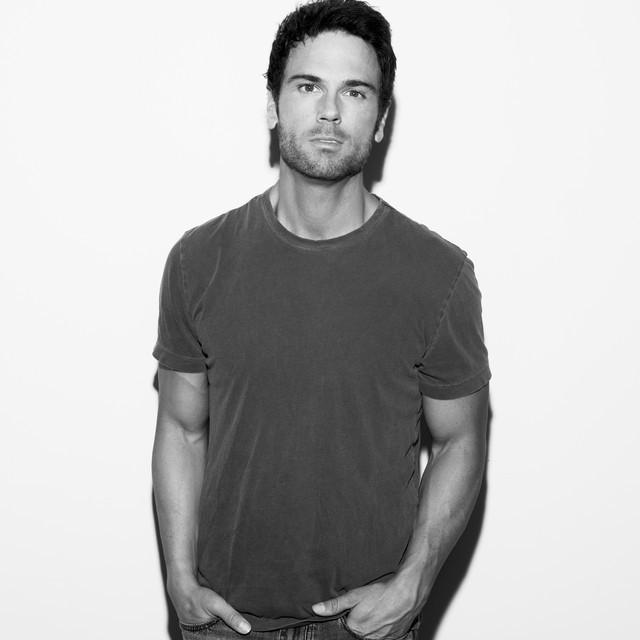
Chuck Wicks

Country
Contemporary Country
 Viberate Rank: 60979
 Viberate Rank: 60979
 Monthly ListenersFollowers
 Subscribers
 Followers
 Followers
 FansTop Spotify Songs
| Track | 7-Day Streams | |
|---|---|---|
1 | 21.87K | |
2 | 4.48K | |
3 | 4.33K | |
4 | 1.90K | |
5 | 1.28K |
Top YouTube VideosMonthly ListenersFeatured in Playlists| Playlist | Followers | |
|---|---|---|
1 |  Country Love Songs❤️🔥 momeg78 | 147.18K |
2 |  New Country 2026 Travis James | 82.67K |
3 |  90's Country Hits Cameron Paul | 77.31K |
4 | Caitlin Gargan | 56.84K |
5 |  2000 Country Music 2000s Country | 46.87K |
Audience| City | Monthly Listeners | |
|---|---|---|
1 | | 1.49K |
2 | | 1.37K |
3 | | 1.19K |
4 | | 1.03K |
5 | | 933 |
See full performance history, audience data, playlist activity, rankings, comparisons, and more in Viberate music analytics. Start with a free trial, then continue with a paid plan.
Chuck Wicks’ Spotify BioAfter growing up on his family's potato farm in Smyrna, Delaware, future country star Chuck Wicks spent his college years discovering his musical talents. After graduation, he moved to Nashville in 2002 to pursue a songwriting career. He was soon penning close to 100 songs a year, one of which caught the ear of the RCA label. The story of a suitor asking for girlfriend's hand in marriage, "Stealing Cinderella" became Wicks' debut single when RCA serviced it to radio during the summer of 2007. That September, Wicks took part in the ill-fated reality television show Nashville, which only aired for two episodes before being axed by the Fox network. The cancellation may have actually helped Wicks, though, since he was now able to focus on promoting the single and making his debut at the Grand Ole Opry. By the late fall, the song was becoming a staple for the father/daughter dance at weddings, as well as a Top 10 hit on country radio.
"Stealing Cinderella" also appeared on Starting Now,… Wicks' debut album. Released in early 2008, the album debuted at number 24 on the Billboard 200 and spawned two more country hits: "All I Ever Wanted" went to 14 and "Man of the House" topped out at 27.
During 2010, Wicks released "Hold That Thought" and "Old School," singles that went no further than 42 and 43, respectively. These were the first tastes of what would've been a second album for RCA, but after the singles stiffed, the album was scrapped and Wicks went into a period of working behind the scenes. His biggest placement as a songwriter was "I Don't Do Lonely Well," which Jason Aldean recorded on 2012's Night Train. Wicks resurfaced as a recording artist with a self-released EP called Rough in the spring of 2013. By the end of the year, he'd signed with Blaster Records. Over the next two years, he put out five singles -- "Us Again," released in early 2014, fared best, peaking at 36 -- culminating in the release of the full-length Turning Point in the spring of 2016. ~ David Jeffries, Rovi
Viberate is a music analytics platform built for A&Rs, artist managers, labels, booking agents, marketers, and artists.
It helps music professionals track artist growth, analyze audience data, monitor playlist activity, compare artists, follow song performance, and identify opportunities across the music market.
Public artist pages provide a free preview of selected artist data. Paid plans provide access to deeper analytics, historical data, charts, comparisons, playlist tools, exports, alerts, reports, and additional professional features.
Yes. Public Viberate artist pages provide selected artist analytics and music data for free.
Viberate also offers a 7-day free trial of the full platform. A credit card is required to start the trial. The trial includes access to the complete product so users can test deeper artist analytics, historical views, playlist insights, comparisons, charts, exports, alerts, and reporting features before choosing a paid plan.
Viberate provides artist analytics across streaming, playlists, social media, video, radio airplay, songs, and audience markets.
Users can analyze Spotify performance, Spotify and Apple Music playlists, YouTube activity, TikTok and Instagram growth, radio spins, song performance, audience locations, demographics, rankings, and overall artist momentum.
Artist profiles also connect to music charts, similar artists, and comparison tools, helping users benchmark performance and evaluate artists in context.
Viberate updates key artist and track data daily.
For followed artists and tracks, selected data is refreshed multiple times per day. This helps teams monitor playlist changes, streaming movement, audience growth, releases, and campaign performance with more current data.
Update frequency can vary depending on the metric and data source.
Yes. Viberate lets users compare up to five artists side by side across streaming, social media, audience, and engagement metrics.
Users can compare fanbase growth, audience demographics, locations, Spotify performance, social metrics, and other artist data over selected time periods.
Artist comparison can be used for A&R scouting, benchmarking, booking decisions, campaign planning, and evaluating artists with similar audiences or market positions.