Japan

Rock
Alternative Rock
Pop Rock
 Viberate Rank: 71406
 Viberate Rank: 71406
 Monthly ListenersFollowers
 Subscribers
 Followers
 Followers
 FansTop Spotify Songs
| Track | 7-Day Streams | |
|---|---|---|
1 | 29.60K | |
2 | 12.12K | |
3 | 11.29K | |
4 | 8.05K | |
5 | 7.16K |
Top YouTube Videos| Video | 7-Day Views | |
|---|---|---|
1 | 5.73K | |
2 | 2.83K | |
3 | 1.55K | |
4 | 1.17K | |
5 | 547 |
Monthly ListenersFeatured in Playlists| Playlist | Followers | |
|---|---|---|
1 |  Glam Rock Spotify | 182.84K |
2 |  Hits of the 80's Black Lace | 102.23K |
3 | Best of 70s 80s Greatest Hits TicklyTim | 78.00K |
4 |  Classics From 60's, 70's, 80's, 90's & 00's Ric C. Dowen | 73.36K |
5 |  Punk Classics Filtr Legacy Sweden | 73.27K |
Audience| City | Monthly Listeners | |
|---|---|---|
1 | | 9.40K |
2 | | 4.70K |
3 | | 2.58K |
4 | | 2.51K |
5 |  | 2.08K |
See full performance history, audience data, playlist activity, rankings, comparisons, and more in Viberate music analytics. Start with a free trial, then continue with a paid plan.
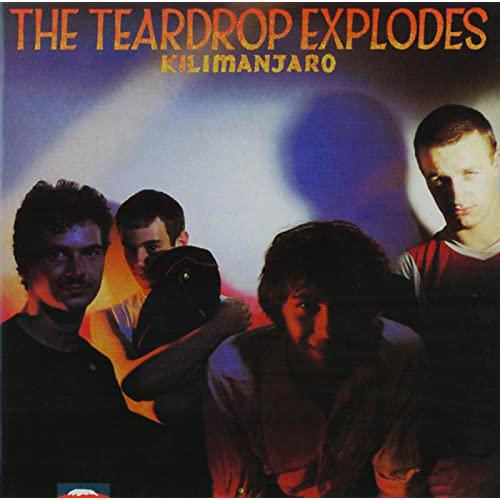
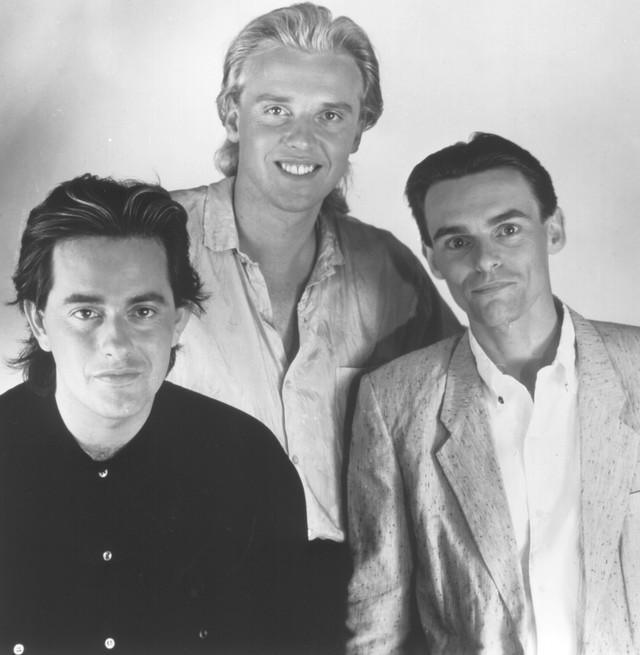
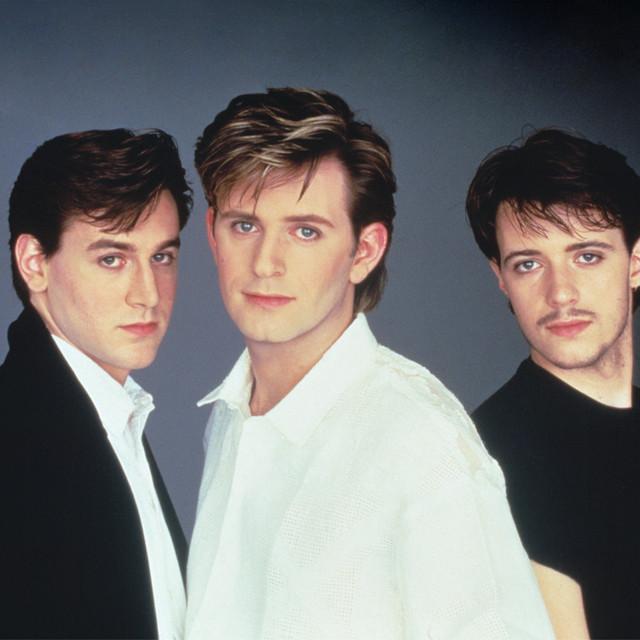
Japan’s Spotify BioJapan was a groundbreaking British band that redefined art rock and new wave in the late 1970s and early 1980s. Formed in 1974 in Catford, South London, the band originally consisted of David Sylvian (vocals, guitar), Mick Karn (bass), Richard Barbieri (keyboards), Rob Dean (guitar), and Steve Jansen (drums). Initially inspired by glam rock, Japan evolved into pioneers of sophisticated, atmospheric music, blending synth-pop, art rock, and Eastern influences to create a sound that was both avant-garde and accessible.
Albums like Quiet Life (1979) and Gentlemen Take Polaroids (1980) marked their transition into a more refined, synth-driven style, while their final album, Tin Drum (1981), is considered a masterpiece, featuring the hit "Ghosts," which became their biggest UK success. Mick Karn's fretless bass and David Sylvian's haunting vocals gave the band a distinct identity, setting them apart from their contemporaries.
Despite disbanding in 1982, Japan's influence on genres like new… wave, synth-pop, and post-rock has been profound. Their experimental approach, elegant aesthetic, and timeless music continue to inspire artists and captivate fans worldwide.
Viberate is a music analytics platform built for A&Rs, artist managers, labels, booking agents, marketers, and artists.
It helps music professionals track artist growth, analyze audience data, monitor playlist activity, compare artists, follow song performance, and identify opportunities across the music market.
Public artist pages provide a free preview of selected artist data. Paid plans provide access to deeper analytics, historical data, charts, comparisons, playlist tools, exports, alerts, reports, and additional professional features.
Yes. Public Viberate artist pages provide selected artist analytics and music data for free.
Viberate also offers a 7-day free trial of the full platform. A credit card is required to start the trial. The trial includes access to the complete product so users can test deeper artist analytics, historical views, playlist insights, comparisons, charts, exports, alerts, and reporting features before choosing a paid plan.
Viberate provides artist analytics across streaming, playlists, social media, video, radio airplay, songs, and audience markets.
Users can analyze Spotify performance, Spotify and Apple Music playlists, YouTube activity, TikTok and Instagram growth, radio spins, song performance, audience locations, demographics, rankings, and overall artist momentum.
Artist profiles also connect to music charts, similar artists, and comparison tools, helping users benchmark performance and evaluate artists in context.
Viberate updates key artist and track data daily.
For followed artists and tracks, selected data is refreshed multiple times per day. This helps teams monitor playlist changes, streaming movement, audience growth, releases, and campaign performance with more current data.
Update frequency can vary depending on the metric and data source.
Yes. Viberate lets users compare up to five artists side by side across streaming, social media, audience, and engagement metrics.
Users can compare fanbase growth, audience demographics, locations, Spotify performance, social metrics, and other artist data over selected time periods.
Artist comparison can be used for A&R scouting, benchmarking, booking decisions, campaign planning, and evaluating artists with similar audiences or market positions.