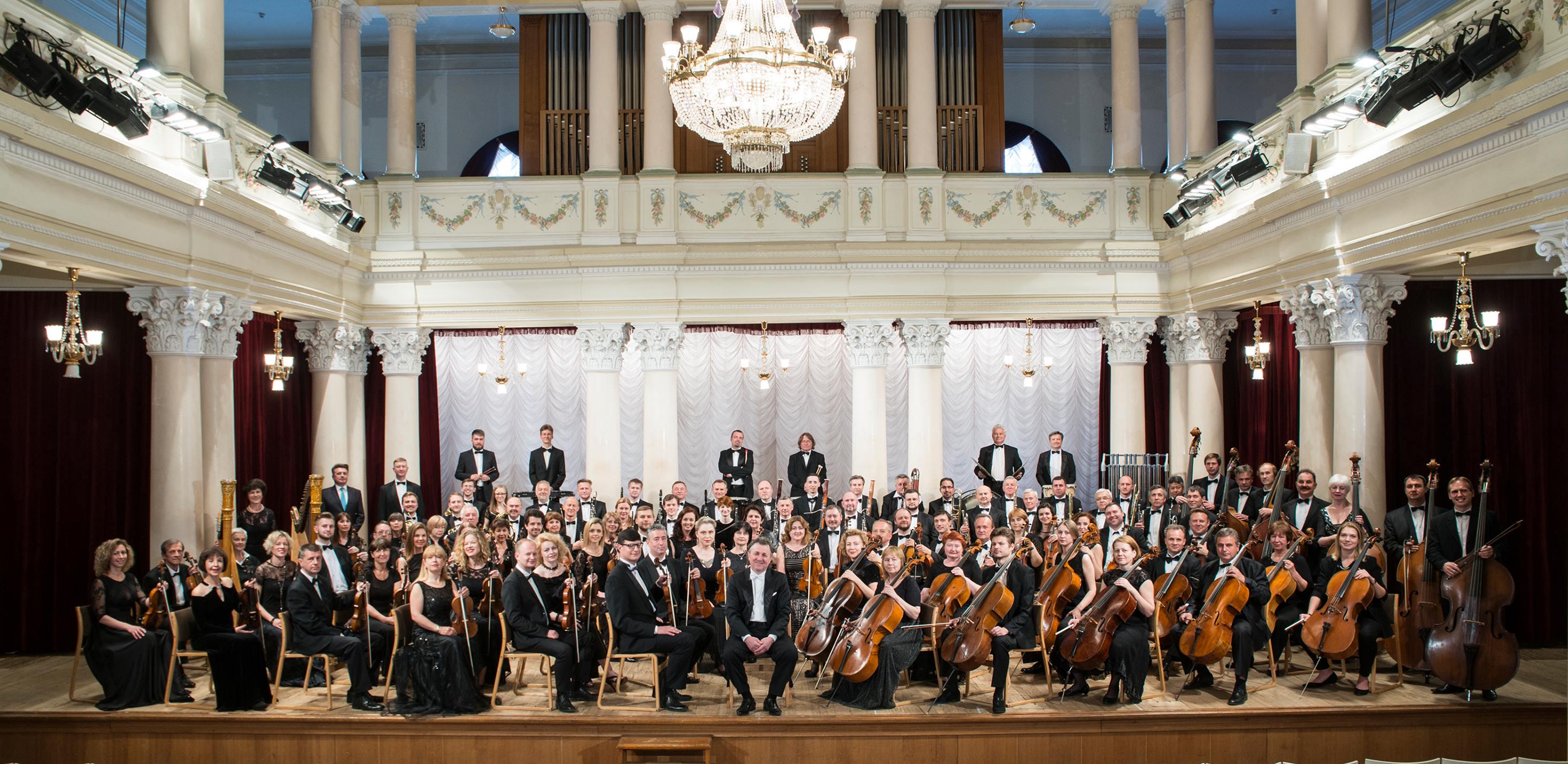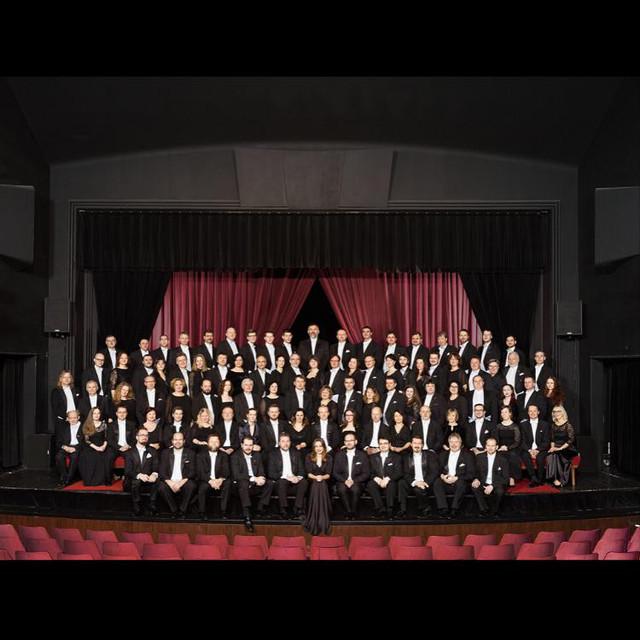
Janáček Philharmonic Orchestra

Classical
Opera
Orchestral
 Viberate Rank: 249681
 Viberate Rank: 249681
 Monthly ListenersFollowers
 Subscribers
 Followers
 Followers
 FansTop Spotify SongsTop YouTube VideosMonthly ListenersFeatured in Playlists
| Playlist | Followers | |
|---|---|---|
1 |  Easy Classical Spotify | 471.89K |
2 |  Women of Classical Spotify | 102.01K |
3 |  dark classical music edendawni | 101.73K |
4 |  This Is Dvořák Spotify | 84.51K |
5 |  Música Clásica Ligera Spotify | 76.42K |
Audience| City | Monthly Listeners | |
|---|---|---|
1 |  | 323 |
2 |  | 200 |
3 |  | 172 |
4 | | 168 |
5 | | 160 |
See full performance history, audience data, playlist activity, rankings, comparisons, and more in Viberate music analytics. Start with a free trial, then continue with a paid plan.
Janáček Philharmonic Orchestra’s Spotify BioUniquely among the Czech Republic's top orchestras, the Janáček Philharmonic Orchestra is located not in Prague but in the northeastern Czech city of Ostrava. Its Czech name, in fact, is the Janáčkova Filharmonie Ostrava. Despite its regional origins, the orchestra has been somewhat oriented toward the West, especially since the fall of Communism; it has programmed much Western contemporary music and toured the U.S. multiple times. The group has a large recording catalog that includes Auber: Overtures, Vol. 7, on the Naxos label.
The Janáček Philharmonic Orchestra was founded in 1954, with Otakar Parik as its first conductor. The orchestra was led from 2005 to 2014 by the Ukrainian American Theodore Kuchar, who opened additional doors for the group in the U.S. From 2014 to 2019, its chief conductor was Heiko Mathias Förster. He was succeeded by a pair of Russian-born conductors, Vassily Sinaisky (2020-2024) and the partly Canadian-based Daniel Raiskin (beginning his term in 2026). The… orchestra quickly gained a reputation even west of the Iron Curtain, and it made its first foreign tour in 1958, going as far afield as Australia the following year; it was only the second Czech ensemble to tour abroad. In addition, the orchestra has toured Japan, South Korea, and Taiwan, as well as most European countries. Even before the breakup of Czechoslovakia, the group recorded several albums for the U.S.-based Centaur Records, including an album of Dvořák's Slavonic Rhapsodies; Suite for a Large Orchestra in 1992.
Unusually for an orchestra in the former East Bloc, the orchestra has benefited from corporate support from the ArcelorMittal steelmaking firm. The Philharmonic appears frequently in other Czech cities besides Ostrava, and leading conductors from the Czech Republic and beyond -- Jiří Bělohlávek, Václav Neumann, Charles Mackerras, and Helmuth Rilling -- have mounted the podium as guests. The Janáček Philharmonic has been especially notable for the size and variety of its recorded catalog. Since the early '90s, the group has recorded for various labels: the budget-line Brilliant in the Netherlands, Denon Classics in Japan, the contemporary-leaning Navona, Albany, and New World labels in the U.S., and Oehms, CPO, and Berlin Classics in Germany, among others. In 2018, the orchestra, under conductor Anthony Armoré, issued a recording of symphonic poems by composer Mark John McEncroe. In 2020 alone, the Janáček Philharmonic Orchestra released eight albums, including one of Wagner's Tristan und Isolde on the Navona Records label. The group remained active throughout the COVID-19 pandemic, releasing both Czech and foreign material. In 2024, the Philharmonic issued Vítězslava Kaprálová: The Completed Orchestral Works on Germany's CPO label and Auber: Overtures, Vol. 7, on Naxos. ~ James Manheim, Rovi
Viberate is a music analytics platform built for A&Rs, artist managers, labels, booking agents, marketers, and artists.
It helps music professionals track artist growth, analyze audience data, monitor playlist activity, compare artists, follow song performance, and identify opportunities across the music market.
Public artist pages provide a free preview of selected artist data. Paid plans provide access to deeper analytics, historical data, charts, comparisons, playlist tools, exports, alerts, reports, and additional professional features.
Yes. Public Viberate artist pages provide selected artist analytics and music data for free.
Viberate also offers a 7-day free trial of the full platform. A credit card is required to start the trial. The trial includes access to the complete product so users can test deeper artist analytics, historical views, playlist insights, comparisons, charts, exports, alerts, and reporting features before choosing a paid plan.
Viberate provides artist analytics across streaming, playlists, social media, video, radio airplay, songs, and audience markets.
Users can analyze Spotify performance, Spotify and Apple Music playlists, YouTube activity, TikTok and Instagram growth, radio spins, song performance, audience locations, demographics, rankings, and overall artist momentum.
Artist profiles also connect to music charts, similar artists, and comparison tools, helping users benchmark performance and evaluate artists in context.
Viberate updates key artist and track data daily.
For followed artists and tracks, selected data is refreshed multiple times per day. This helps teams monitor playlist changes, streaming movement, audience growth, releases, and campaign performance with more current data.
Update frequency can vary depending on the metric and data source.
Yes. Viberate lets users compare up to five artists side by side across streaming, social media, audience, and engagement metrics.
Users can compare fanbase growth, audience demographics, locations, Spotify performance, social metrics, and other artist data over selected time periods.
Artist comparison can be used for A&R scouting, benchmarking, booking decisions, campaign planning, and evaluating artists with similar audiences or market positions.