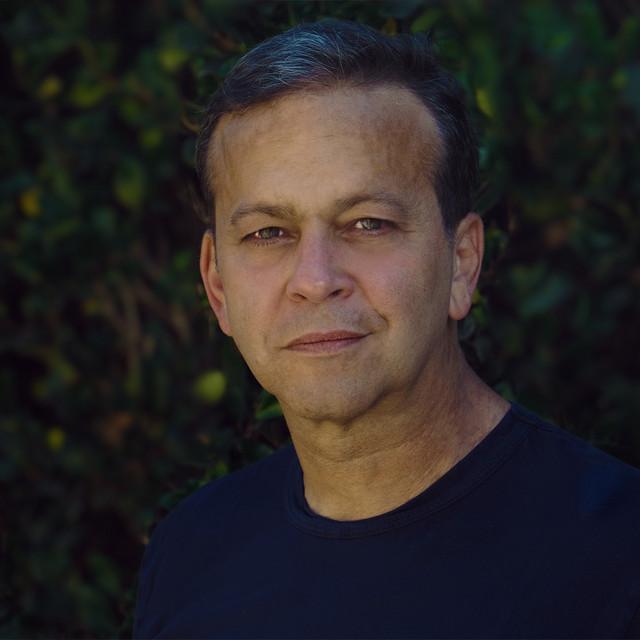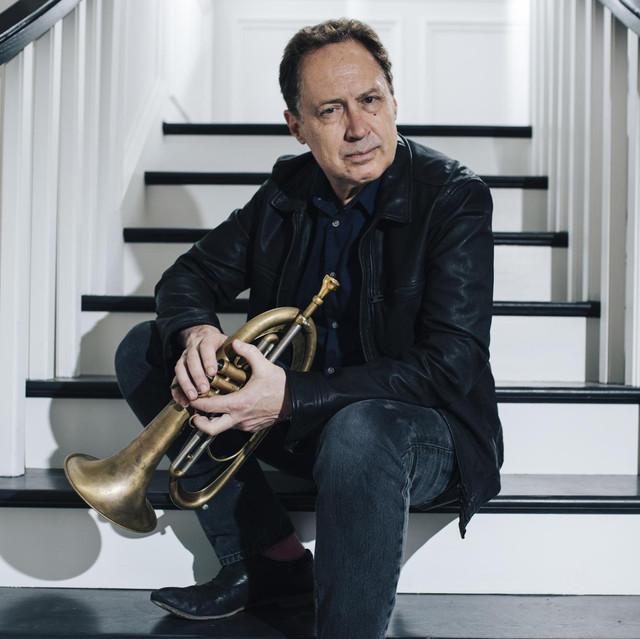
Jan A.P. Kaczmarek

Classical
Classical Crossover
 Viberate Rank: 91087
 Viberate Rank: 91087
 Monthly ListenersFollowers
 Subscribers
 Followers
 Followers
 FansTop Spotify Songs
| Track | 7-Day Streams | |
|---|---|---|
1 | 28.29K | |
2 | 12.99K | |
3 | 6.95K | |
4 | 6.48K | |
5 | 5.84K |
Top YouTube Videos| Video | 7-Day Views | |
|---|---|---|
1 | 312 | |
2 | 152 | |
3 | 143 | |
4 | 142 | |
5 | 123 |
Monthly ListenersFeatured in Playlists| Playlist | Followers | |
|---|---|---|
1 |  hopeless romantic Spotify | 565.08K |
2 |  Reading Adventure Spotify | 431.34K |
3 |  Movie Soundtracks & Cinematic Music (Classical & Instrumental) Tobias Schneider | 217.42K |
4 |  Focus Music - Work | Studying | Concentration Kroschi | 112.12K |
5 |  Time to Sleep Özün Çağan Altun | 63.04K |
Audience| City | Monthly Listeners | |
|---|---|---|
1 |  | 4.76K |
2 |  | 2.81K |
3 |  | 2.56K |
4 |  | 1.91K |
5 |  | 1.69K |
See full performance history, audience data, playlist activity, rankings, comparisons, and more in Viberate music analytics. Start with a free trial, then continue with a paid plan.
Jan A.P. Kaczmarek’s Spotify BioFilm composer Jan A.P. Kaczmarek was active in his native Poland, around Europe, and in the U.S., where he earned an Academy Award for his score for the Peter Pan biopic Finding Neverland. He also scored other major American films, including Washington Square (1997) and Hachi: A Dog's Tale (2009). Kaczmarek lived in Los Angeles but maintained strong connections to Poland, where he composed concert and operatic works and set up a film music institute. He remained active into the 2020s and won several other major awards before his death in 2024.
Kaczmarek was born on April 29, 1953, in Konin, Poland. He studied music in his early years but earned a law degree from Adam Mickiewicz University in Poznań in 1977. His postgraduation years coincided with the increasing cultural independence of Communist Poland and its opening to Western influences and cultural structures. Kaczmarek formed a group called the Orchestra of the Eighth Day in 1977. In 1982, he recorded an album under his own name,… Music for the End, for the folk/experimental label Flying Fish. In 1989, Kaczmarek moved to Los Angeles. His career in dramatic music began in live theater, and he won a Drama Desk Award for Outstanding Music in a Play for his music for a production of John Ford's 1633 play 'Tis Pity She's a Whore in 1992. His first score was composed in 1993 for the horror film Doppelganger. He continued to work in Poland's film industry, and his first recorded film score came in 1995 for Agnieska Holland's 1995 film Total Eclipse.
That was the first of nine scores Kaczmarek composed between 1995 and 2005; these included both American and Polish films. A notable score was for Unfaithful (2002), a thriller starring Richard Gere and Diane Lane. Kaczmarek's most famous score remains that for Finding Neverland (2004), a film about J.M. Barrie, the creator of Peter Pan. In addition to the Academy Awards for Best Original Score, Kaczmarek took home the National Board of Review Award for Best Score of the Year and the British Academy of Film and Television Arts Anthony Asquith Award for Achievement in Film Music. Kaczmarek continued to score successful films, including Hachi: A Dog's Tale, a 2009 remake of a Japanese film, and the biblical drama Paul, Apostle of Christ (2018). He also wrote several choral works for major events in Poland, including Cantata for Freedom (2005), marking the 25th anniversary of the Solidarity labor movement, and Oratorio 1956 (2006), commemorating the 50th anniversary of an uprising against the Polish government. Kaczmarek was also the composer of Universa -- Open Opera, a work written for the 650th anniversary of Kraków's Jagiellonian University. In 2023, Kaczmarek received a Lifetime Achievement Polish Film Award. He died of multiple system atrophy on May 21, 2024, in Kraków. ~ James Manheim, Rovi
Viberate is a music analytics platform built for A&Rs, artist managers, labels, booking agents, marketers, and artists.
It helps music professionals track artist growth, analyze audience data, monitor playlist activity, compare artists, follow song performance, and identify opportunities across the music market.
Public artist pages provide a free preview of selected artist data. Paid plans provide access to deeper analytics, historical data, charts, comparisons, playlist tools, exports, alerts, reports, and additional professional features.
Yes. Public Viberate artist pages provide selected artist analytics and music data for free.
Viberate also offers a 7-day free trial of the full platform. A credit card is required to start the trial. The trial includes access to the complete product so users can test deeper artist analytics, historical views, playlist insights, comparisons, charts, exports, alerts, and reporting features before choosing a paid plan.
Viberate provides artist analytics across streaming, playlists, social media, video, radio airplay, songs, and audience markets.
Users can analyze Spotify performance, Spotify and Apple Music playlists, YouTube activity, TikTok and Instagram growth, radio spins, song performance, audience locations, demographics, rankings, and overall artist momentum.
Artist profiles also connect to music charts, similar artists, and comparison tools, helping users benchmark performance and evaluate artists in context.
Viberate updates key artist and track data daily.
For followed artists and tracks, selected data is refreshed multiple times per day. This helps teams monitor playlist changes, streaming movement, audience growth, releases, and campaign performance with more current data.
Update frequency can vary depending on the metric and data source.
Yes. Viberate lets users compare up to five artists side by side across streaming, social media, audience, and engagement metrics.
Users can compare fanbase growth, audience demographics, locations, Spotify performance, social metrics, and other artist data over selected time periods.
Artist comparison can be used for A&R scouting, benchmarking, booking decisions, campaign planning, and evaluating artists with similar audiences or market positions.