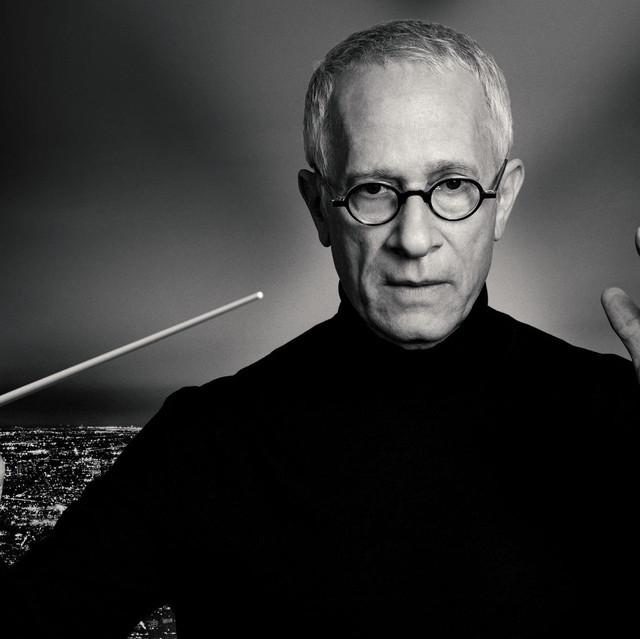
James Horner

Classical
Orchestral
Classical Crossover
 Viberate Rank: 10687
 Viberate Rank: 10687
 Monthly ListenersFollowers
 Subscribers
 Followers
 Followers
 FansTop Spotify Songs
| Track | 7-Day Streams | |
|---|---|---|
1 | 220.87K | |
2 | 213.36K | |
3 | 211.94K | |
4 | 171.14K | |
5 | 126.16K |
Top YouTube VideosMonthly ListenersFeatured in Playlists| Playlist | Followers | |
|---|---|---|
1 |  Iconic Soundtracks Spotify | 1.37M |
2 |  Cinematic Chillout Spotify | 831.40K |
3 |  Atmospheric Sci-fi Soundtracks Spotify | 760.61K |
4 | TOP ENGLISH SONGS OF ALL TIME🔥♥️😍‼ Nisha🥀🌙 | 756.09K |
5 |  Soundtrack Love Songs Spotify | 657.76K |
Audience| City | Monthly Listeners | |
|---|---|---|
1 |  | 38.23K |
2 |  | 34.81K |
3 |  | 31.55K |
4 |  | 25.91K |
5 |  | 24.63K |
See full performance history, audience data, playlist activity, rankings, comparisons, and more in Viberate music analytics. Start with a free trial, then continue with a paid plan.
James Horner’s Spotify BioFamed for his lush, sweeping scores for films including Braveheart, Apollo 13, and Titanic, the prolific composer James Horner was born in Los Angeles on August 14, 1953. Educated at London's Royal College of Music as well as local universities USC and UCLA, he landed his first motion picture assignments during the 1970s, scoring B-movies like The Lady in Red, Humanoids of the Deep, and Battle Beyond the Stars for producer Roger Corman's New World organization. By 1982, Horner had moved on to major studio fare including 48 Hrs. and Star Trek II: The Wrath of Khan, and four years later he notched his first Academy Award nominations for his score to the science fiction classic Aliens as well as for the song "Somewhere Out There," from the animated picture An American Tail. In 1989, Horner earned a second Oscar nomination for his score to Field of Dreams, that same year winning a Grammy for his work on the Civil War drama Glory; in 1995 he was honored with two more Academy Award… nominations, for Braveheart and Apollo 13.
Horner finally struck Oscar gold in 1997, taking home statuettes for his score to the blockbuster Titanic as well as the film's original song "My Heart Will Go On," a hit for Celine Dion. After writing scores for movies like Commando and The New World, Film Music Masterworks: Original Soundtracks, which contained pieces from some of Horner's best-known work (Apollo 13, Braveheart, Willow, and of course, Titanic, among others), was issued in 2006. Horner's output in the 2000s was not nearly as prolific as in the 1990s, but he continued to produce sterling work, earning three further Oscar nominations for A Beautiful Mind (2001), House of Sand and Fog (2003), and Avatar (2009), the colossal success of which almost rivaled that of Titanic. He also wrote the theme to the CBS Evening News program, heard daily by millions of Americans. He continued to be an in-demand presence in film well into the 21st century, scoring big-budget box office smashes like The Amazing Spider-Man and Ender's Game. The year 2012 saw the release of a lavish, four-disc, 25th anniversary edition of his most popular work, Titanic -- the most successful orchestral score album in history. Horner died on June 22, 2015 when the single-engine turboprop aircraft he was piloting alone crashed in California's Los Padres National Forest west of Santa Barbara. He was 61 years old.
Viberate is a music analytics platform built for A&Rs, artist managers, labels, booking agents, marketers, and artists.
It helps music professionals track artist growth, analyze audience data, monitor playlist activity, compare artists, follow song performance, and identify opportunities across the music market.
Public artist pages provide a free preview of selected artist data. Paid plans provide access to deeper analytics, historical data, charts, comparisons, playlist tools, exports, alerts, reports, and additional professional features.
Yes. Public Viberate artist pages provide selected artist analytics and music data for free.
Viberate also offers a 7-day free trial of the full platform. A credit card is required to start the trial. The trial includes access to the complete product so users can test deeper artist analytics, historical views, playlist insights, comparisons, charts, exports, alerts, and reporting features before choosing a paid plan.
Viberate provides artist analytics across streaming, playlists, social media, video, radio airplay, songs, and audience markets.
Users can analyze Spotify performance, Spotify and Apple Music playlists, YouTube activity, TikTok and Instagram growth, radio spins, song performance, audience locations, demographics, rankings, and overall artist momentum.
Artist profiles also connect to music charts, similar artists, and comparison tools, helping users benchmark performance and evaluate artists in context.
Viberate updates key artist and track data daily.
For followed artists and tracks, selected data is refreshed multiple times per day. This helps teams monitor playlist changes, streaming movement, audience growth, releases, and campaign performance with more current data.
Update frequency can vary depending on the metric and data source.
Yes. Viberate lets users compare up to five artists side by side across streaming, social media, audience, and engagement metrics.
Users can compare fanbase growth, audience demographics, locations, Spotify performance, social metrics, and other artist data over selected time periods.
Artist comparison can be used for A&R scouting, benchmarking, booking decisions, campaign planning, and evaluating artists with similar audiences or market positions.