James Grant

Rock
Folk Rock
Indie Pop
 Viberate Rank: 303911
 Viberate Rank: 303911
 Monthly ListenersFollowers
 Subscribers
 Followers
 Followers
 FansTop Spotify SongsTop YouTube VideosMonthly ListenersFeatured in Playlists
| Playlist | Followers | |
|---|---|---|
1 |  Downtempo Chill SBS Chill | 16.48K |
2 |  Progressive Astronaut Fabricio Mariani | 14.22K |
3 |  Soft trance deep house melodic techno Sylvia Ng | 13.89K |
4 |  Lounge - House Music Jacob Vaupel Andersen | 13.27K |
5 |  Melodic Techno & Prog House Noah Park | 12.97K |
Audience| City | Monthly Listeners | |
|---|---|---|
1 | | 167 |
2 | | 80 |
3 | | 35 |
4 | | 32 |
5 | | 15 |
See full performance history, audience data, playlist activity, rankings, comparisons, and more in Viberate music analytics. Start with a free trial, then continue with a paid plan.
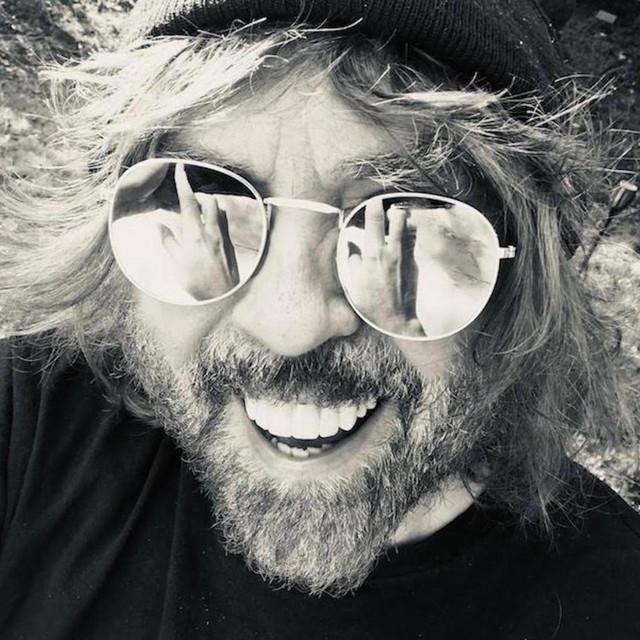
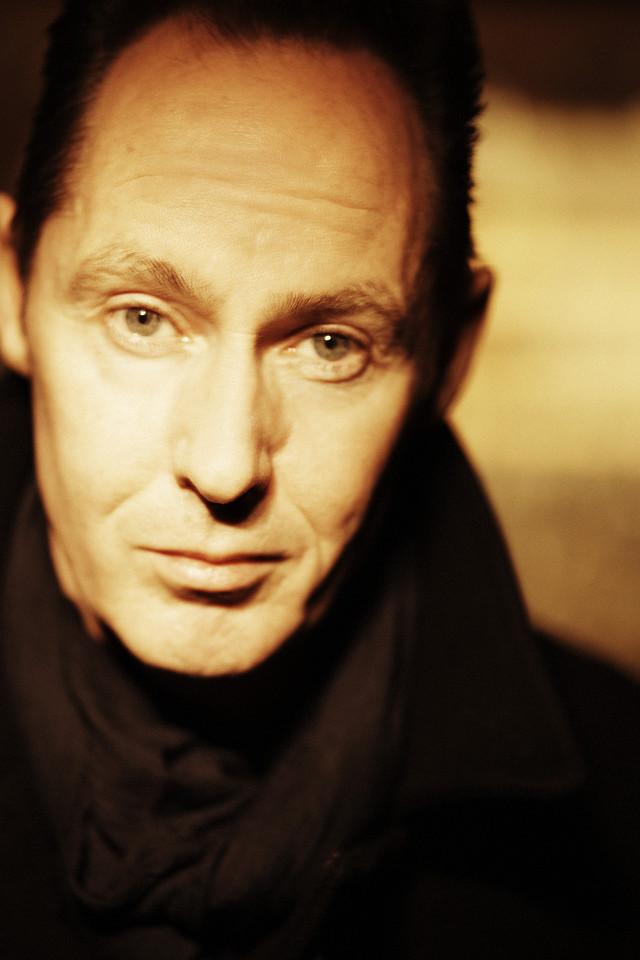
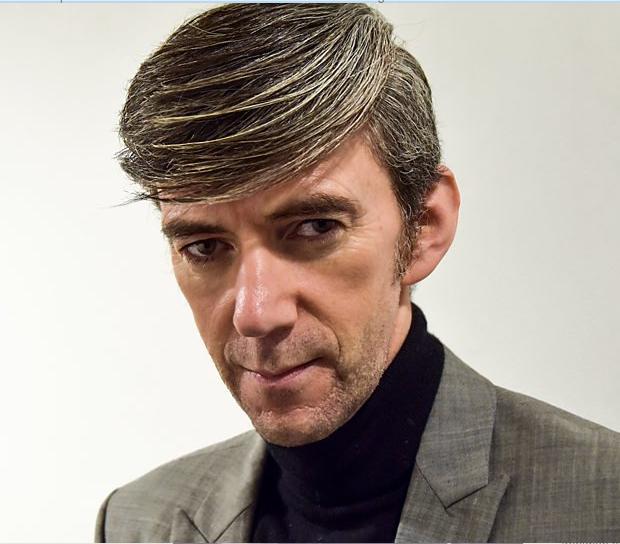
James Grant’s Spotify BioAs a member of Friends Again and Love and Money, James Grant helped to establish Glasgow, Scotland as a wellspring for brainy, soulful pop in the '80s. Grant gained early attention with Friends Again, issuing singles like 1983's "State of the Art" and "Honey at the Core" before launching the dusky, sophisti-pop outfit Love and Money. Following a handful of well-regarded albums, he embarked on a solo career with 1998's Sawdust in My Veins, which found him exploring a more personalized sound. He has remained a cult favorite in Scotland, occasionally reuniting with Love and Money, and issuing albums like 2005's Holy Love, and 2017's And the Hallelujah Strings.
Hailing from the Castlemilk district of Glasgow, Grant initially wanted to be a footballer in his youth. However, growing up, he also developed a love of rock music, listening to artists like David Bowie, Slade, and Led Zeppelin. In 1982, he joined Friends Again, a punchy new wave outfit who crossed Aztec Camera's jangly riffs with B…owie's stabs at funk. Friends Again released one LP, Trapped and Unwrapped, in 1984 before Grant left the group to exhibit his own talent for songwriting.
In 1985, Grant formed Love and Money, a band who initially clung to a jazzy, more rock-oriented sound. Love and Money recorded their first album, All You Need Is, in 1986; however, the LP did not fulfill the commercial expectations caused by the success of the single "Candybar Express." Love and Money's second album, Strange Kind of Love, sold 250,000 copies, but Grant's creative vision became increasingly incompatible with the corporate needs of the group's label, Phonogram. Grant battled the label over the artistic direction of Love and Money's third album, Dogs in the Traffic, in 1991. The LP sold only 25,000 copies, and when Phonogram saw no sales potential in 1994's Littledeath, they dropped the band. The group split up soon thereafter.
In 1998, Grant released his debut solo album, Sawdust in My Veins, to widespread critical acclaim. The album showcased his evocative, often personal songs and featured contributions from instrumentalist Donald Shaw, singer Karen Matheson, drummer James MacKintosh, and others. He followed up in 2000 with My Thrawn Glory, which featured many of the same musicians. I Shot the Albatross followed two years later, and found Grant setting the poems of Edwin Morgan, e.e. cummings, and William Blake to music.
In 2004, he returned to all original songs with the introspective Holy Love, which featured a guest spot by dobro player Jerry Douglas. His fifth solo album, the buoyant Strange Flowers, arrived in 2009. In 2011, Grant reunited with Love and Money for a live concert at the Glasgow Royal Concert Hall. The following year, they issued their fifth studio album, The Devil's Debt. In 2017, he returned to his solo work with And the Hallelujah Strings. ~ Michael Sutton, Rovi
Viberate is a music analytics platform built for A&Rs, artist managers, labels, booking agents, marketers, and artists.
It helps music professionals track artist growth, analyze audience data, monitor playlist activity, compare artists, follow song performance, and identify opportunities across the music market.
Public artist pages provide a free preview of selected artist data. Paid plans provide access to deeper analytics, historical data, charts, comparisons, playlist tools, exports, alerts, reports, and additional professional features.
Yes. Public Viberate artist pages provide selected artist analytics and music data for free.
Viberate also offers a 7-day free trial of the full platform. A credit card is required to start the trial. The trial includes access to the complete product so users can test deeper artist analytics, historical views, playlist insights, comparisons, charts, exports, alerts, and reporting features before choosing a paid plan.
Viberate provides artist analytics across streaming, playlists, social media, video, radio airplay, songs, and audience markets.
Users can analyze Spotify performance, Spotify and Apple Music playlists, YouTube activity, TikTok and Instagram growth, radio spins, song performance, audience locations, demographics, rankings, and overall artist momentum.
Artist profiles also connect to music charts, similar artists, and comparison tools, helping users benchmark performance and evaluate artists in context.
Viberate updates key artist and track data daily.
For followed artists and tracks, selected data is refreshed multiple times per day. This helps teams monitor playlist changes, streaming movement, audience growth, releases, and campaign performance with more current data.
Update frequency can vary depending on the metric and data source.
Yes. Viberate lets users compare up to five artists side by side across streaming, social media, audience, and engagement metrics.
Users can compare fanbase growth, audience demographics, locations, Spotify performance, social metrics, and other artist data over selected time periods.
Artist comparison can be used for A&R scouting, benchmarking, booking decisions, campaign planning, and evaluating artists with similar audiences or market positions.